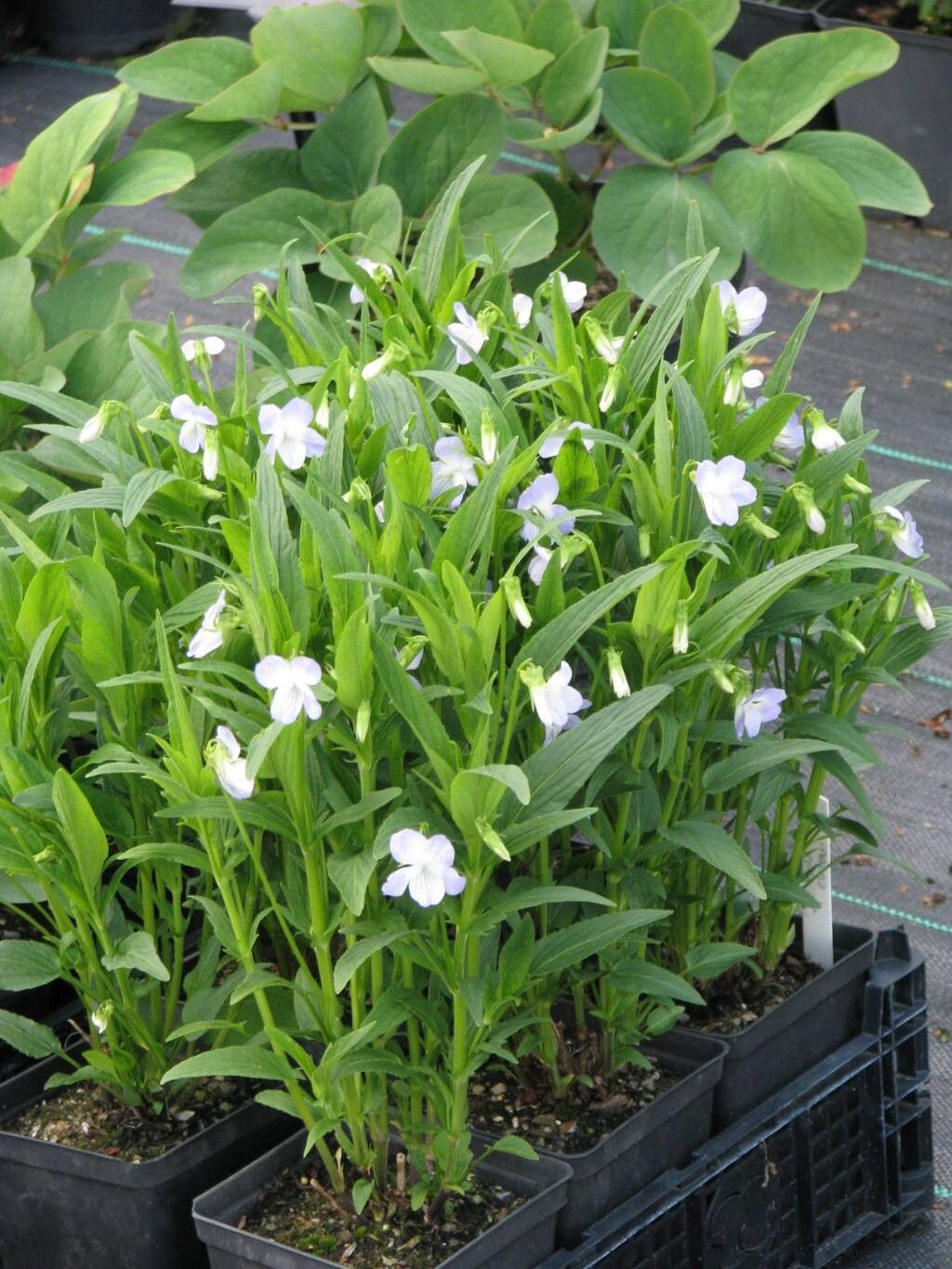
Hello, garden friends! It’s so good to be back with you today. We’re diving into the wonderful world of Viola elatior, also known as Tall Violet or Meadow Violet. If you’ve ever admired its sweet little faces dotting a garden bed or found its delicate charm irresistible, you’re in for a treat. Propagating these lovely plants is a fantastic way to multiply that joy, and I’m here to guide you.
Why Grow Viola elatior?
There’s something truly special about Viola elatior. It’s a plant that brings a gentle splash of color, often in shades of soft purple and yellow, and its understated beauty is a quiet joy. They have a lovely, naturalizing habit, often self-seeding gently, but intentional propagation lets you take the reins and fill your garden with them. For beginners, I’d say propagating Viola elatior is moderately easy. It’s not one of those finicky plants that demands perfection, but a little bit of attention goes a long way.
The Best Time to Start
Honestly, late spring to early summer, right after they’ve finished their main flush of blooms, is my golden window. The plant is actively growing, and the new shoots are vigorous. You’ll have the best luck taking cuttings then. You can also divide established clumps in early spring or fall, when the weather is cooler and less stressful for the plant.
Supplies You’ll Need
Here’s a little kit to get you started:
- Sharp pruning shears or a clean, sharp knife: For making clean cuts.
- Rooting hormone (optional but helpful): A powder or gel to encourage root development.
- Seed starting mix or a well-draining potting mix: Something light and airy is best. I like a blend of peat moss, perlite, and a little bit of compost.
- Small pots or seed trays: With drainage holes, of course!
- Plastic bags or a propagation dome: To create a humid environment.
- Watering can with a fine rose: For gentle watering.
- Labels: Don’t forget to label your new babies!
Propagation Methods
Let’s get our hands dirty!
Stem Cuttings
This is my go-to method for Viola elatior.
- Select healthy stems: Look for non-flowering shoots, about 3-4 inches long. These are often found at the base of the plant.
- Make the cut: Using your sharp shears or knife, make a clean cut just below a leaf node (where a leaf meets the stem).
- Prepare the cutting: Gently remove the lower leaves, leaving just a couple of sets at the top. If the leaves are quite large, you can even snip them in half to reduce water loss.
- Dip in rooting hormone (optional): Moisten the cut end of the stem slightly, then dip it into rooting hormone powder or gel. Tap off any excess.
- Plant the cuttings: Fill your small pots with your prepared soil mix. Make a small hole in the center with a pencil or your finger. Insert the cutting into the hole, ensuring the leaf nodes are buried in the soil. Gently firm the soil around the stem.
- Water gently: Water thoroughly but gently, making sure the soil is moist but not waterlogged.
- Create humidity: Cover the pot loosely with a plastic bag or place it inside a propagation dome. This traps moisture and helps the cuttings stay hydrated.
Division
If you have a well-established clump of Viola elatior, dividing is a simple and effective method.
- Water the plant: Water your Viola elatior clump a day or two before you plan to divide it. This helps loosen the soil.
- Gently dig it up: Carefully dig around the base of the plant and lift the entire clump out of the ground.
- Separate the divisions: Gently shake off excess soil. Look for natural breaks in the root system. You can often tease apart sections with your hands. If they’re a bit stubborn, a clean trowel or knife can help, but try to keep as many roots attached to each division as possible. Each division should have roots and some healthy foliage.
- Replant immediately: Plant your new divisions in their desired locations or in pots with fresh potting mix. Water them well.
The “Secret Sauce” (Pro Tips)
Here are a couple of things I’ve learned over the years that really make a difference:
- Don’t let those leaves touch the water: If you’re doing water propagation (which I find a tiny bit trickier for Violas due to potential rot), make sure the leaves of your cuttings are well above the water line. Only the submerged stem should be in contact with the water. This is a big one for preventing rot.
- Bottom heat is your friend: For cuttings, placing your pots on a heated propagation mat can significantly speed up root formation. It mimics the warmth of spring and encourages quicker establishment. Just a gentle warmth is all they need.
Aftercare & Troubleshooting
Once your cuttings have rooted (you can tug very gently on a stem – if there’s resistance, you have roots!) or your divisions are planted, continue to provide consistent moisture. Keep them in a bright spot, but out of direct, scorching sun, especially while they are establishing. Gradually start to acclimate them to drier air by opening the plastic bags or dome for increasing periods each day.
The most common issue you might face is rot. If you see your cuttings turning mushy and black, it’s usually a sign of too much moisture and not enough air circulation. Make sure your soil is draining well and don’t overwater. If a cutting looks like it’s wilting and sad, check the moisture levels. Sometimes they can be saved by trimming off dead parts and giving them a fresh start. Patience is key here!
Keep Growing!
Propagating Viola elatior is a wonderfully rewarding process. It’s about more than just getting new plants; it’s about learning to understand their needs and enjoying the gentle rhythm of growth. Don’t be discouraged if every single cutting doesn’t make it. Nature is generous, and with a little practice, you’ll soon be surrounded by the sweet charm of these delightful violets. Happy gardening!
Resource:
https://identify.plantnet.org/k-world-flora/species/Viola%20elatior%20Fr./data