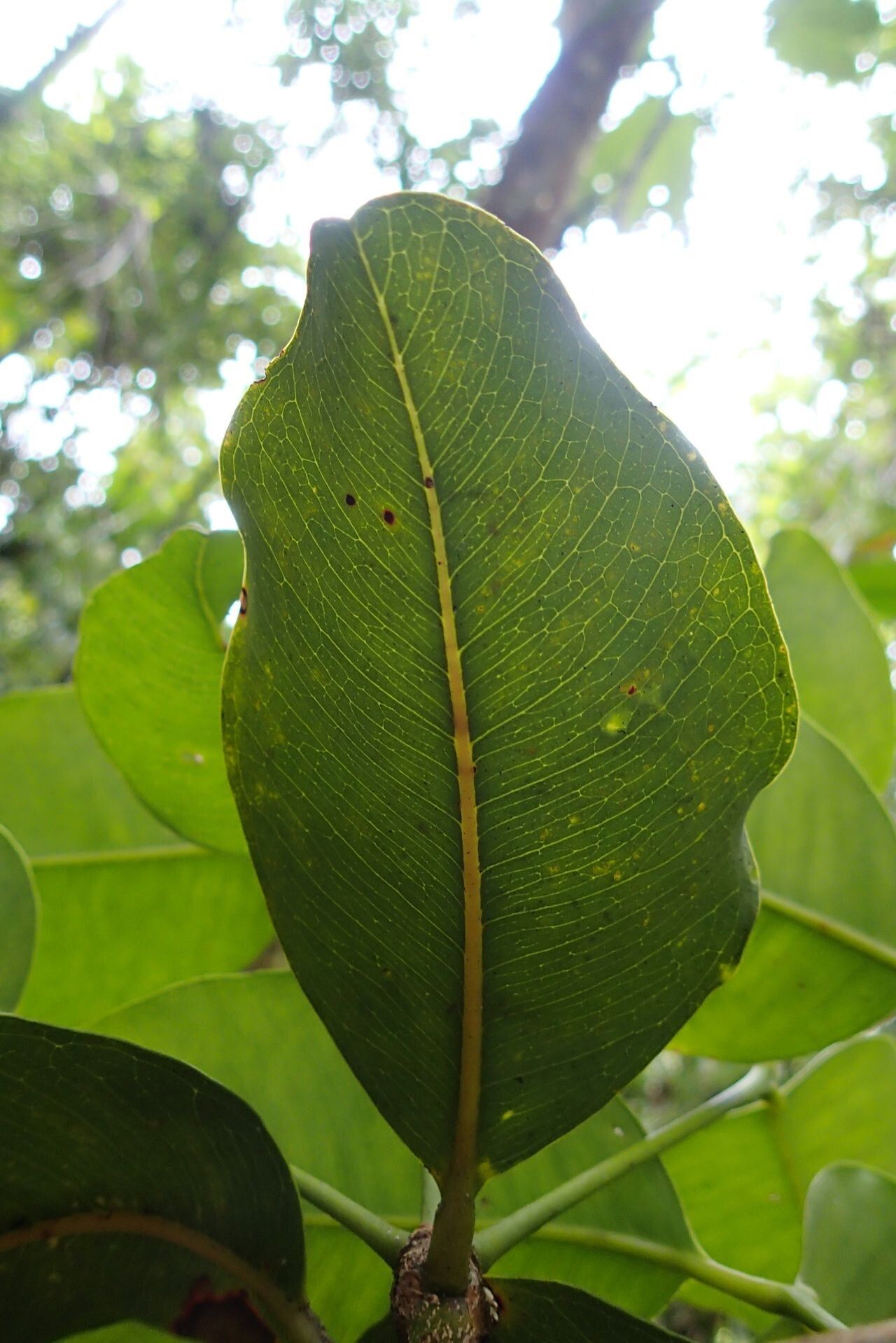
Hello, fellow plant lovers! Today, we’re diving into the wonderful world of propagating Syzygium amieuense, often called the Emerald Lilly Pilly. If you’re captivated by its glossy, lance-shaped leaves and the way it brings a touch of tropical elegance to any space, you’re in for a treat. Growing new plants from your existing ones is one of the most satisfying parts of gardening, and the Emerald Lilly Pilly is a really rewarding plant to propagate. Honestly, for beginners, it’s not too tricky once you know a few key things. Get ready to fill your home and garden with these beauties!
The Best Time to Start
The sweet spot for propagating Syzygium amieuense is when the plant is actively growing. This typically means late spring through summer. You’re looking for semi-hardwood cuttings. These are stems that are no longer floppy and green but haven’t yet become woody and tough. They have a bit of give when you bend them. Starting during this vigorous growth phase gives your cuttings the best chance to establish a strong root system before the cooler, slower months arrive.
Supplies You’ll Need
Before we get our hands dirty, let’s gather our tools:
- Clean Pruning Shears or a Sharp Knife: For making clean cuts.
- Rooting Hormone: This isn’t strictly necessary for all plants, but it significantly boosts success rates for cuttings like these.
- Potting Mix: A well-draining mix is crucial. I like to use a blend of perlite and peat moss or coco coir. Some people also use a mix of potting soil and sand.
- Small Pots or Seed Trays: With drainage holes, of course!
- Plastic Bag or Clear Dome: To create a humid environment over your cuttings.
- Watering Can or Mister: For gentle hydration.
- Optional: Heated Seedling Mat: For bottom heat, which can speed up rooting.
Propagation Methods
My favorite and most successful method for Syzygium amieuense is through stem cuttings. Here’s how I do it:
- Select Your Cuttings: Choose healthy, vigorous stems from your mother plant. Look for those semi-hardwood ones I mentioned earlier. Aim for cuttings that are about 4-6 inches long.
- Make the Cut: Use your clean shears to take your cuttings. Make a clean cut just below a leaf node (where a leaf attaches to the stem). This is where the magic happens for root development.
- Prepare the Cuttings: Gently remove the lower leaves, leaving just 2-3 leaves at the top. If the remaining leaves are very large, you can cut them in half horizontally. This reduces water loss through transpiration.
- Apply Rooting Hormone: Dip the cut end of each stem into your rooting hormone. Tap off any excess.
- Plant Your Cuttings: Fill your small pots with your prepared, moist potting mix. Make a hole in the center of the soil with a pencil or your finger. Insert the cutting into the hole, ensuring the leaf nodes that will be below the soil surface are covered. Gently firm the soil around the base of the cutting.
- Create Humidity: Water your cuttings gently. Then, cover the pots with a clear plastic bag, making sure the bag doesn’t touch the leaves too much, or place them under a clear dome. This creates a mini-greenhouse effect, keeping the humidity high, which is vital for cuttings to root without drying out.
- Provide Light and Warmth: Place the pots in a bright, indirect light location. If you have a heated seedling mat, place the pots on it. Bottom heat can really encourage roots to form faster.
The “Secret Sauce” (Pro Tips)
Over the years, I’ve found a few things that really make a difference:
- Don’t Let Leaves Touch the Water! If you’re doing water propagation (which is less common for Syzygium amieuense but possible), make sure no leaves are submerged. Rotten leaves in the water will also rot your cutting. Stick to soil for best results with this one.
- Bottom Heat is Your Friend: Seriously, if you can swing it, bottom heat from a seedling mat makes a huge difference. It mimics the warmth of spring soil and really tells those cuttings, “It’s time to grow roots!”
- Cleanliness is Key: Always use clean tools and pots. Fungus and bacteria are the enemies of new propagations, and a clean start helps prevent them.
Aftercare & Troubleshooting
Once your cuttings have roots – and you’ll know by gently tugging on them and feeling resistance, or by seeing new leaf growth – it’s time for a bit more care.
- Gradual Acclimatization: Slowly remove the plastic bag or dome over a week or so. This allows the new plant to get used to the normal humidity levels.
- Watering: Water when the top inch of soil feels dry. Don’t let them sit in soggy conditions.
- Feeding: Wait until you see active new growth before you start feeding them with a diluted liquid fertilizer.
What if things go wrong? The most common issue is rot. If your cutting turns black and mushy, it’s usually a sign of too much moisture and not enough air circulation, or a fungal issue. Discard any rotted cuttings and try again, paying close attention to your watering and drainage. If your cuttings just seem to sit there and do nothing for a very long time, don’t give up immediately! Some takes longer than others. Keep them in their happy spot and be patient.
A Little Encouragement
Propagating plants is a journey, not a race. There will be successes, and there might be a few disappointments along the way. But with Syzygium amieuense, the rewards of seeing those tiny snippets transform into established plants are absolutely worth it. Be patient, enjoy the process of nurturing something new, and before you know it, you’ll have a whole collection of gorgeous Emerald Lilly Pillies to share! Happy propagating!
Resource: