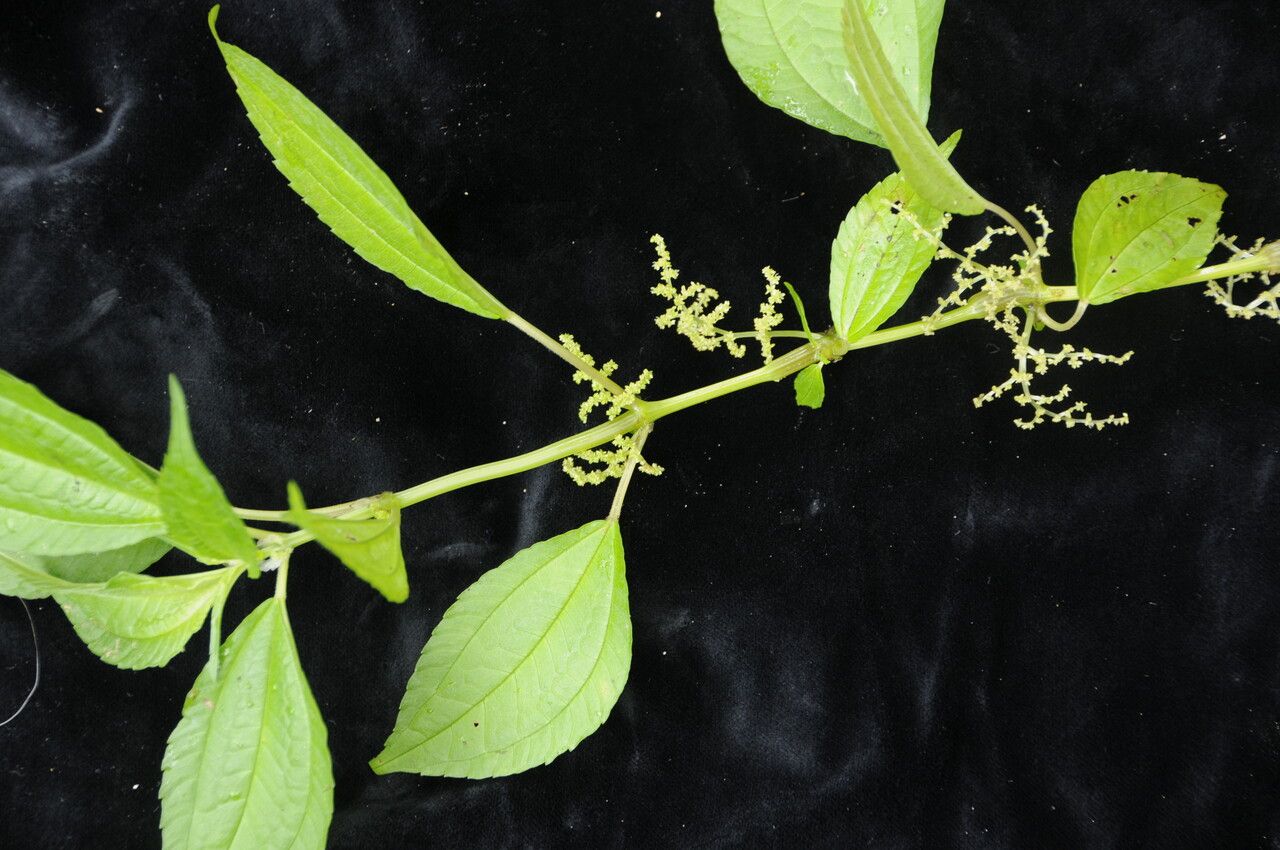
Hello there, fellow plant enthusiast!
It’s so lovely to have you join me today. If you’re like me, you’ve probably fallen head over heels for the Pilea bracteosa. This little beauty, with its textured, almost fuzzy leaves and delicate appearance, is a real charmer. And the best part? It’s incredibly rewarding to grow more of them! I find propagating Pilea bracteosa to be a wonderfully satisfying process, and honestly, I think even beginner gardeners will find it quite achievable. It’s one of those plants that really rewards your efforts.
The Sweet Spot for Success
When it comes to timing, spring and early summer are your golden ticket for Pilea bracteosa propagation. This is when the plant is in its most vigorous growth phase, meaning your cuttings will have the best chance of taking off. Look for healthy, active growth on your parent plant – that’s when you know the energy is flowing!
Your Propagation Toolkit
Before we get our hands dirty, let’s gather our supplies. Having everything at the ready makes the whole process much smoother.
- Sharp Pruning Shears or Scissors: Clean cuts are crucial for preventing disease.
- Well-Draining Potting Mix: A good blend of potting soil, perlite, and orchid bark works wonders for Pilea.
- Small Pots or Trays: Clean containers, about 2-4 inches in diameter, are perfect for starting out.
- Rooting Hormone (Optional but Recommended): A little dip in rooting hormone can significantly speed up root development.
- Clear Plastic Bag or Dome: This helps create a humid environment for your cuttings.
- Watering Can or Spray Bottle: For gentle hydration.
Bringing Forth New Life: Propagation Methods
Pilea bracteosa is a trooper, and it’s pretty forgiving when it comes to propagation. Here are my favorite ways to multiply your plant collection.
1. Stem Cuttings: The Classic Approach
This is my go-to method for Pilea bracteosa and is incredibly reliable.
- Step 1: Select Your Stem: Look for a healthy stem that has several leaves and is at least 3-4 inches long. Avoid anything that looks weak or leggy.
- Step 2: Make the Cut: Using your clean shears, make a clean cut just below a leaf node. A leaf node is where a leaf emerges from the stem. This is where new roots will sprout.
- Step 3: Prepare the Cutting: Gently remove the bottom one or two leaves from the cutting. This exposes the nodes and prevents the submerged leaves from rotting.
- Step 4: Rooting Hormone (If Using): Dip the cut end of the stem into your rooting hormone. Tap off any excess.
- Step 5: Plant Your Cutting: Fill your small pot with your well-draining potting mix. Make a small hole in the center and insert the stem, ensuring at least one or two leaf nodes are buried in the soil. Gently firm the soil around the stem.
- Step 6: Create a Humid Environment: Water the soil lightly. Then, cover the pot with a clear plastic bag or place it inside a propagation dome to trap moisture. Make sure the leaves don’t touch the plastic.
2. Water Propagation: The See-Through Method
This method is just as effective and lets you watch the roots grow, which is always a thrill!
- Step 1: Prepare Your Cutting: Follow Steps 1-3 from the stem cutting method.
- Step 2: Place in Water: Fill a small glass or jar with clean water. Submerge the cut end of the stem, making sure no leaves are below the waterline. If a leaf is too low, simply remove it.
- Step 3: Find a Bright Spot: Place the container in a bright spot, but out of direct sunlight. Change the water every few days to keep it fresh and prevent bacterial growth.
- Step 4: Watch and Wait: You should start seeing tiny roots emerging from the nodes within a few weeks.
The “Secret Sauce” from My Garden
Over the years, I’ve learned a few tricks that really give my Pilea propagation that extra boost.
- Bottom Heat is Your Friend: If you’re serious about speedy rooting, consider using a propagation mat or placing your pots on top of a warm appliance (like a router that’s always on). This gentle bottom heat mimics natural conditions and really encourages root formation.
- Don’t Be Afraid of Airflow: While humidity is vital, stale air can invite problems. If your cuttings are looking a bit stressed or you notice any condensation building up excessively on the inside of your plastic bag, gently lift the bag for an hour or so to allow for some air exchange.
- Patience is a Virtue (Reinforced): I know, I know, I’ll say it again later, but honestly, don’t rush to pot up your water-propagated cuttings too soon. Wait until the roots are at least an inch long and have started to branch a bit. This gives them a stronger foundation.
Gentle Nurturing and Navigating Setbacks
Once your cuttings have developed a good set of roots (either in soil or water), it’s time to transition them into their own little homes.
- For Soil Cuttings: If you propagated directly in soil, they’re already there! Continue to keep the soil lightly moist but not waterlogged. As the roots establish, you can gradually introduce them to more light, just like an adult Pilea.
- For Water Cuttings: When the roots are about an inch long, gently plant them in your well-draining potting mix. Water thoroughly, and then proceed with the humidity-creating steps (plastic bag or dome) for a week or two to help them acclimate.
- Troubleshooting: The most common issue you might encounter is rot. If a cutting turns brown and mushy, it’s usually a sign of too much moisture or not enough air circulation, or sometimes just a weak cutting. Don’t despair! Just toss the affected cutting and try again with a healthier one. Yellowing leaves on a new cutting can sometimes mean it needs a bit more light, or conversely, too much direct sun. Observe your plant closely and adjust accordingly.
And there you have it! Propagating Pilea bracteosa is a delightful journey. Remember to be patient – growing new plants takes time. Enjoy observing the tiny roots appear and the new leaves unfurl. Happy planting!
Resource:
https://identify.plantnet.org/k-world-flora/species/Pilea%20bracteosa%20Wedd./data