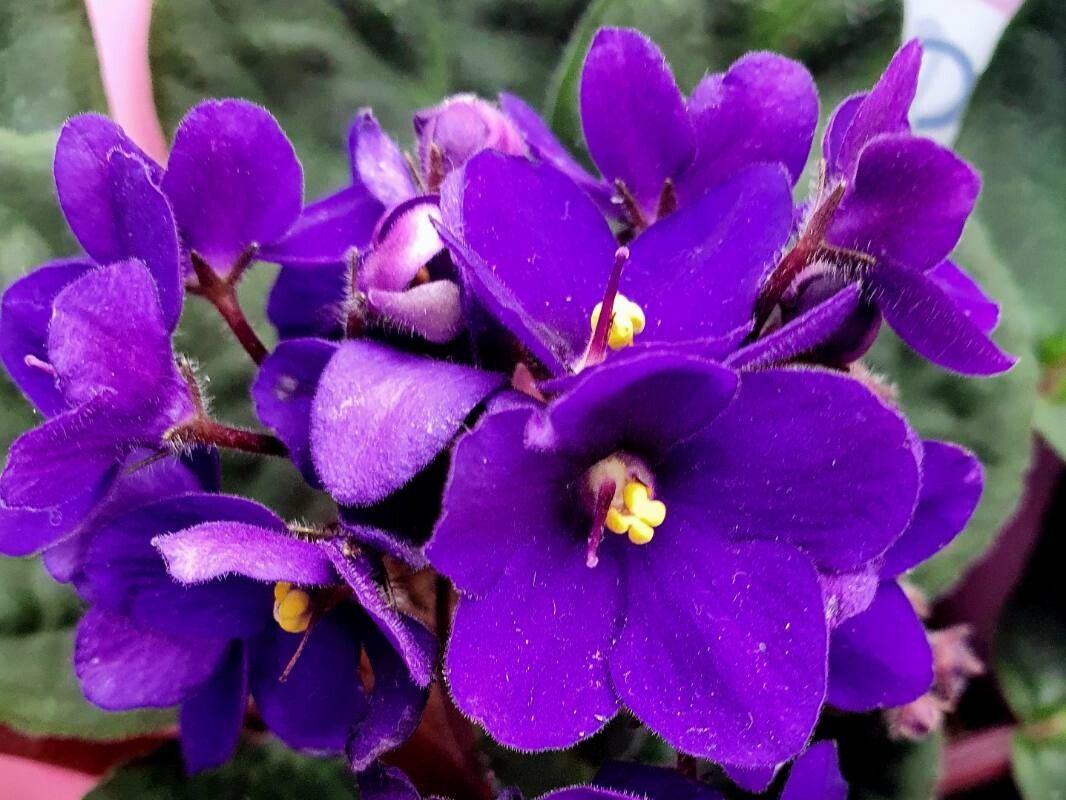
Oh, Streptocarpus ionanthus! What a joy it is to grow them, isn’t it? Those trumpet-shaped blooms, often in the most delightful shades of blue and purple, just seem to sing from the windowsill. And successfully propagating them? Well, that’s one of the most rewarding feelings a gardener can have, like unlocking a little piece of plant magic. If you’re new to the game, don’t worry. While some Streptocarpus can be a bit finicky, ionanthus is often quite forgiving, which makes it a wonderful choice for your first propagation adventure.
The Best Time to Start
For Streptocarpus ionanthus, you’ll find the highest success rates when you take cuttings during its active growing period. This usually means spring and early summer. This is when the plant has plenty of energy to put into making new roots and shoots. Avoid propagating when the plant is stressed, like during extreme heat or a dry spell.
Supplies You’ll Need
Gathering your tools beforehand makes the whole process so much smoother. Here’s what I always have on hand:
- Clean, sharp pruning shears or a very sharp knife: For making clean cuts.
- Well-draining potting mix: I like a blend of equal parts peat moss or coco coir, perlite, and a bit of compost. You can also buy specialized African violet or Gesneriad mixes.
- Small pots or trays: Clean yogurt cups with drainage holes work perfectly!
- Rooting hormone (optional but helpful): A powder or gel that encourages root development.
- Plastic bags or a propagator: To create a humid environment.
- Spray bottle: For misting.
- Labels: Don’t skip this! You’ll want to know what you propagated and when.
Propagation Methods
There are a couple of really effective ways to get more ionanthus plants. My favorite and often the easiest is leaf cuttings.
Leaf Cuttings:
- Select a healthy leaf. Look for a mature, but not old and yellowing, leaf from the center of the plant. You want a good, firm one.
- Make your cut. Using your clean shears or knife, cut the leaf stalk cleanly, about an inch or two from where it attaches to the main plant. Alternatively, you can cut the leaf itself. I often cut a mature leaf in half horizontally, or even further down into wedge shapes.
- Prepare the leaf. If you’re using a whole leaf, you can gently cut the main central vein on the underside into a few segments, maybe about an inch long. This encourages multiple plantlets to form along the cut.
- Dip in rooting hormone (optional). Lightly dip the cut end of the leaf or leaf segment into your rooting hormone. Tap off any excess.
- Plant the cutting. Fill your small pots or trays with your prepared potting mix, ensuring it’s moist but not soggy. Make a small hole with your finger or a pencil and insert the cut end of the leaf or segment. Bury it about ½ inch deep. If you’re using a whole leaf, you can often just lay it on the surface of the soil with the cut end slightly in contact, or bury the stalk.
- Water gently. Water around the base of the cutting.
- Create humidity. Cover the pot with a plastic bag or pop it into a propagator. Make sure the plastic doesn’t touch the leaf too much if possible. You want to create a mini greenhouse effect.
The “Secret Sauce” (Pro Tips)
Here are a couple of little tricks I’ve learned over the years that really boost success:
- Bottom heat is your friend! Streptocarpus love warmth, and their roots develop much faster when the soil is consistently warm. A seedling heat mat placed under your pots makes a huge difference, especially if your home is on the cooler side. Keep it around 70-75°F (21-24°C).
- Don’t let leaves touch the water. If you’re trying water propagation (which I don’t recommend as much for ionanthus as leaf cuttings are so good), make sure only the very tip of the stem is in water, and never let the foliage sit in the water. This is a fast track to rot. With soil propagation, just ensure the soil is consistently moist, not waterlogged.
Aftercare & Troubleshooting
Once your leaf cuttings are planted, the waiting game begins! Keep them in bright, indirect light. Too much direct sun will scorch the leaves. Mist the leaves occasionally if the humidity isn’t holding well, especially if you’re not using a cover, but try to avoid getting water directly on the soil surface too often to prevent fungal issues.
You’ll know you’re successful when you start to see tiny plantlets popping up from the cut edges of the leaf or along the central vein. This can take anywhere from a few weeks to a couple of months. Be patient!
The most common problems are rot and damping off. This usually happens if the soil stays too wet for too long, or if there’s poor air circulation. If you see a cutting turning mushy and brown at the soil line, sadly, it’s likely lost. Remove it immediately to prevent it from spreading. If the whole leaf shrivels up and dries out without any signs of plantlets, it may not have rooted. Sometimes it just takes another attempt!
A Encouraging Closing
Propagating Streptocarpus ionanthus is such a rewarding way to expand your collection and share these beautiful plants with friends. Don’t be discouraged if your first try isn’t perfect. Every gardener learns through doing. Take joy in the process, observe your plants closely, and soon enough, you’ll have a windowsill bursting with these delightful blue trumpets! Happy growing!
Resource: