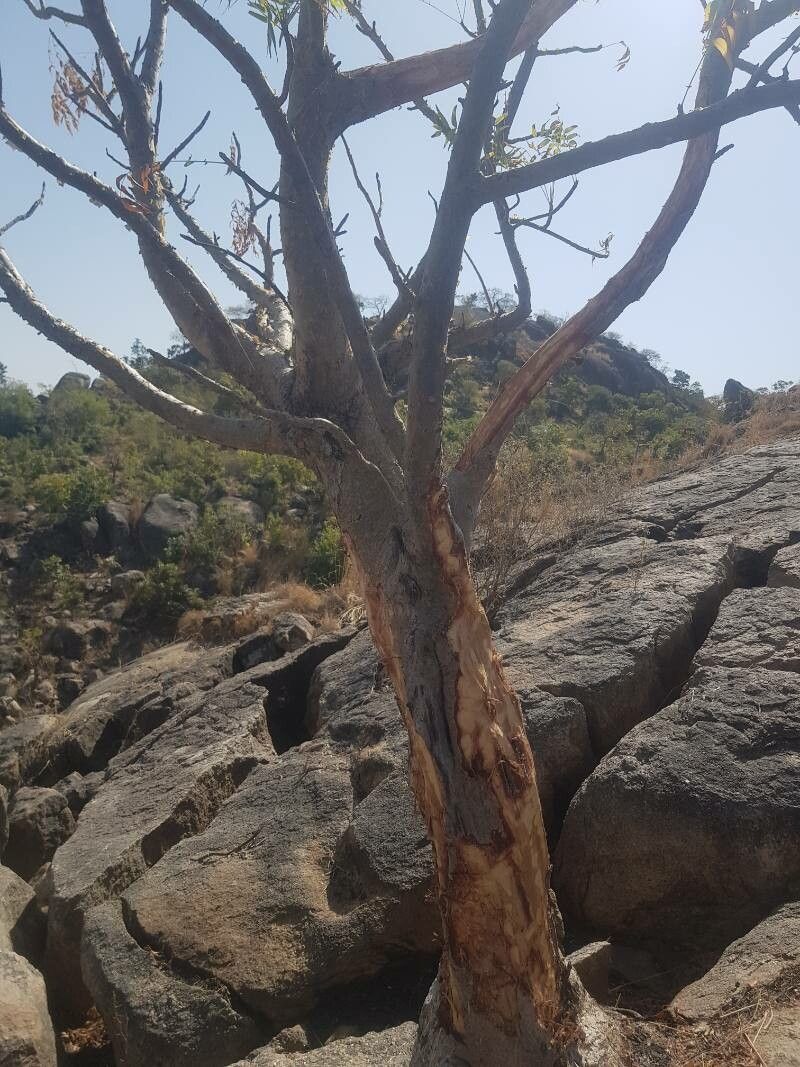
Hey there, fellow garden enthusiasts! Today, we’re diving into the wonderful world of Boswellia dalzielii, also known as African frankincense. If you’re drawn to plants with a bit of exotic flair and a rich history, you’re going to love this one. Its striking, sculptural trunk and the promise of its fragrant resin make it a truly special addition to any collection. Propagating it is a journey that’s both fascinating and incredibly rewarding. Now, I won’t sugarcoat it – Boswellia dalzielii can be a bit of a diva to propagate, so it might be a little challenging for absolute beginners, but with a little patience and the right approach, you’ll be well on your way to success!
The Best Time to Start
When it comes to Boswellia dalzielii, springtime is your best friend. Think of it as when the plant is waking up from its slumber and getting ready to grow. This is when its energy levels are highest, and it’s most receptive to putting out new roots. So, aim to take your cuttings or start your propagation efforts just as the weather starts to warm up consistently and you see signs of active new growth on your mature plant.
Supplies You’ll Need
Before we get our hands dirty, let’s gather our essentials. Having everything ready will make the process so much smoother.
- Sharp, clean pruning shears or a sharp knife: For making clean cuts on your parent plant. Sterilize them with rubbing alcohol beforehand to prevent disease.
- Rooting hormone: A powder or gel will significantly increase your chances of success. Look for one formulated for woody or semi-hardwood cuttings.
- Well-draining potting mix: A good recipe is 50% perlite and 50% potting compost, or a specialized cactus and succulent mix. Anything that doesn’t hold excess moisture is key!
- Small pots or propagation trays: Clean pots with drainage holes are essential.
- Watering can or mister: For gently watering or misting your cuttings.
- Optional: A heat mat: This can provide consistent bottom warmth, which is a real game-changer for root development.
- Optional: A clear plastic bag or propagation dome: To create a humid environment if you’re not misting frequently.
Propagation Methods
Boswellia dalzielii is most commonly and successfully propagated from stem cuttings. This is where we’ll focus our efforts.
Stem Cuttings:
- Select Your Cuttings: On your healthy, mature Boswellia dalzielii, look for stems that are at least pencil-thick and have no flowers or developing fruits. Aim for cuttings that are about 4-6 inches long. You want to take them from wood that is neither too soft and green nor too old and hard. A slightly woody tip is usually perfect.
- Make the Cut: Using your sterilized pruning shears or knife, make a clean cut just below a leaf node (where a leaf attaches to the stem). This is a prime spot for root development.
- Prepare the Cutting: Gently remove any leaves from the bottom half of the cutting. If the remaining leaves are very large, you can cut them in half lengthwise to reduce water loss.
- Apply Rooting Hormone: Dip the cut end of the stem into your rooting hormone, tapping off any excess. Make sure the end is well-coated.
- Plant the Cutting: Fill your small clean pots with your well-draining potting mix. Make a hole in the center with your finger or a pencil, and insert the cut end of the stem, ensuring the rooting hormone stays on the wound. Firm the soil gently around the cutting.
- Water Gently: Water the soil lightly. You want it to be moist, not waterlogged.
- Create Humidity (Optional but Recommended): If you’re using a clear plastic bag, carefully place it over the pot, making sure the leaves don’t touch the plastic. You can also use stakes to keep the bag off the leaves. A propagation dome works similarly. If you’re not enclosing it, be prepared to mist the cuttings regularly.
The “Secret Sauce” (Pro Tips)
Here are a few tricks of the trade that have made a big difference for me over the years:
- Let the Sap Dry: Boswellia dalzielii can ooze a milky sap when cut. Before you apply rooting hormone, let the cut end of your stem dry and callus over for a day or two in a dry, airy spot. This helps prevent rot from setting in, which is a common problem with these plants.
- Bottom Heat is Your Friend: If you have a heat mat, use it! Placing your pots on a gentle heat mat (around 70-75°F or 21-24°C) encourages root formation much faster. It mimics the warmth of summer soil, giving those roots the signal to start growing.
- Don’t Mist Too Much: While humidity is good, constant dampness on the leaves can lead to fungal issues. A light misting every couple of days, or rely on the humidity from a bag or dome. Ensure good air circulation to prevent rot.
Aftercare & Troubleshooting
Once your cuttings show signs of rooting – you might see new leaf growth, or if you gently tug on the cutting, you’ll feel slight resistance – it’s time for a little extra TLC.
Continue to keep the soil moist but not soggy. Avoid letting it dry out completely, but also don’t drown it. If you’ve used a humidity dome or bag, you can start to gradually introduce more air by opening it up for longer periods each day. Once you see substantial new growth and a well-established root system (you can carefully check by slipping it out of the pot if needed), you can transplant it into its own slightly larger pot with a well-draining mix.
The most common sign of failure is rot. If your cutting turns black and mushy, or its leaves shrivel and die rapidly, it’s likely a sign of overwatering or fungal infection. Unfortunately, there’s not much to do once rot sets in, so prevention is key! Make sure your soil drains exceptionally well and avoid overwatering. Another common issue can be lack of root development, often due to insufficient warmth, light, or the absence of rooting hormone. If nothing happens after many weeks, it might just need more time or a different environment.
A Little Patience Goes a Long Way
Propagating Boswellia dalzielii is a rewarding endeavor that connects you more deeply with this unique plant. Be patient with your cuttings; they can take their time to establish themselves. Don’t get discouraged if your first attempt isn’t a resounding success. Every gardener learns through trial and error! Keep experimenting, observe what works best in your environment, and most importantly, enjoy the process of nurturing new life. Happy gardening!
Resource:
https://identify.plantnet.org/k-world-flora/species/Boswellia%20dalzielii%20Hutch./data