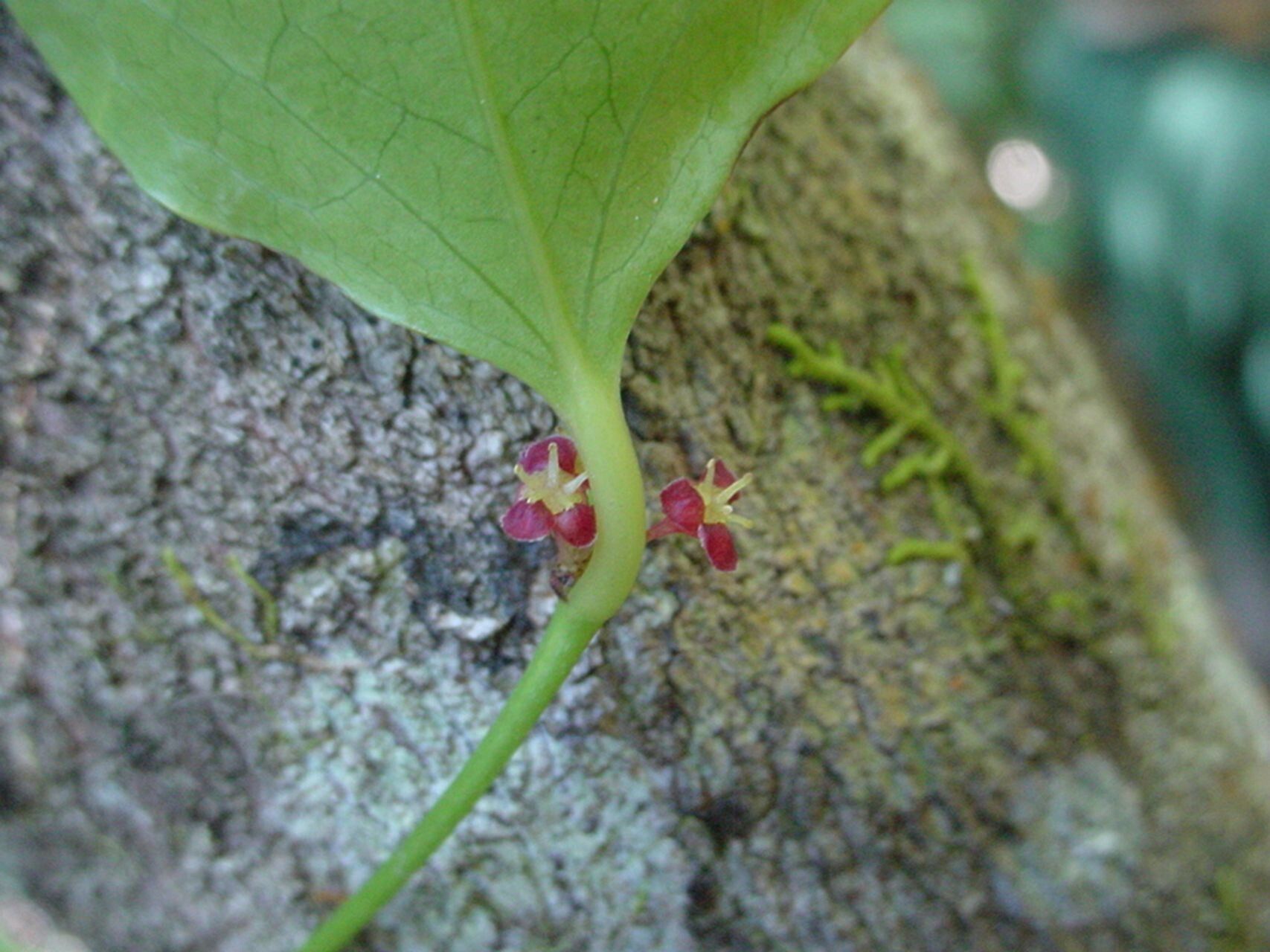
Oh, hello there! Come on in, grab a mug. It’s lovely to chat gardening with you today. We’re going to tackle something really special: propagating Phyllanthus aeneus. If you’ve seen this beauty, you know its delicate, almost fern-like foliage is simply captivating. And getting more of them? Oh, it’s such a rewarding feeling, like watching a tiny promise of green unfurl right before your eyes. For those new to the propagation game, Phyllanthus aeneus is a pretty forgiving plant, which is fantastic news!
The Best Time to Start
When you’re looking to make more Phyllanthus aeneus, aim for the spring or early summer. This is when the plant is actively growing, brimming with energy. New growth is usually more vigorous and has a better chance of rooting quickly. Think of it as capturing the plant at its peak vitality!
Supplies You’ll Need
Gathering your supplies beforehand makes the whole process so much smoother. Here’s what I usually have on hand:
- Sharp, clean pruning shears or a craft knife: Cleanliness is so important to prevent disease.
- Well-draining potting mix: A mix of perlite, peat moss, and potting soil works wonderfully. You can even buy special propagation mixes.
- Small pots or trays: Think 2-4 inch pots, or propagation trays with individual cells.
- Rooting hormone (optional but helpful): A powder or gel helps a lot, especially for trickier cuttings.
- Plastic bags or a clear plastic dome: To create a humid environment.
- Watering can with a fine rose or spray bottle: Gentle watering is key.
- Labels and a marker: Trust me, you’ll thank yourself later!
Propagation Methods
Let’s get our hands dirty with the most common ways to multiply your Phyllanthus aeneus.
Stem Cuttings
This is my go-to method. It’s straightforward and usually yields great results.
- Select a healthy stem: Look for a non-flowering stem that’s about 4-6 inches long, ideally with some new, but firm growth. Avoid anything too woody or too soft and floppy.
- Make the cut: Using your sharp, clean shears, make a clean cut just below a leaf node (where a leaf attaches to the stem). This is where roots are more likely to form.
- Prepare the cutting: Gently remove the lower leaves from the stem, leaving just a few at the top. If your leaves are very large, you can even cut them in half to reduce water loss.
- Apply rooting hormone (optional): Dip the cut end into your rooting hormone, tapping off any excess.
- Plant the cutting: Fill your small pots with your well-draining potting mix. Make a small hole with a pencil or your finger, and gently insert the stem cutting, ensuring the leaf nodes are below the soil surface. Firm the soil around it.
- Water gently: Water thoroughly but gently, so you don’t dislodge the cutting.
- Create humidity: Cover the pot with a plastic bag, held up by stakes so it doesn’t touch the leaves, or place it under a clear plastic dome. This is crucial for keeping the cutting hydrated.
Water Propagation
This method is so satisfying to watch!
- Take cuttings as described above: You’ll still want those 4-6 inch cuttings with a few leaves at the top.
- Remove lower leaves: Make sure no leaves will be submerged in the water.
- Place in water: Put the cuttings in a clean jar or vase filled with room-temperature water. A little rooting hormone can still be beneficial here.
- Position them carefully: Ensure no leaves are touching the water. This can cause them to rot. Position the jar in bright, indirect light.
- Change the water regularly: Every few days, refresh the water to keep it clean and oxygenated.
The “Secret Sauce” (Pro Tips)
Here are a few little tricks I’ve picked up over the years that can really boost your success:
- Bottom Heat is Your Friend: If you’re having trouble with cuttings rooting, especially in cooler weather, placing your pots on a propagation mat can make a world of difference. It encourages root development by keeping the soil consistently warm.
- Don’t Disturb Too Soon: Resist the urge to tug on your cuttings to see if they have roots! Wait until you see clear signs of new growth (tiny leaves, a slight tugging resistance) before you consider moving them. Patience is truly a virtue here.
- The “Wiggle Test” for Water Propagation: When you’re propagating in water, you can gently wiggle the cutting. If it resists slightly, you’ve got some developing roots!
Aftercare & Troubleshooting
Once your cuttings have developed a good root system (look for roots about an inch long in water, or gently feel for resistance in soil), it’s time to transition them.
- For water-propagated plants: Gently pot them up into well-draining potting mix. Water them well initially.
- For soil-propagated plants: You can slowly acclimate them to less humidity by opening the plastic bag or dome for increasing periods over a few days before removing it completely. Continue to water gently and keep them in bright, indirect light.
Now, for the bumps in the road. The biggest issue you might encounter is rot. If your cuttings turn black and mushy, it’s usually a sign of too much moisture and not enough air circulation. Ensure your soil is well-draining and don’t overwater. If you see a stem looking limp and yellowing, it might be struggling to root, or it could be underwatered. Make sure that humidity cover is doing its job!
A Encouraging Closing
Propagating, like any gardening endeavor, is a journey. Some attempts will be more successful than others, and that’s perfectly okay! Enjoy the process of nurturing these tiny new plants. Be patient, observe them closely, and celebrate every little bit of progress. Happy propagating!
Resource:
https://identify.plantnet.org/k-world-flora/species/Phyllanthus%20aeneus%20Baill./data