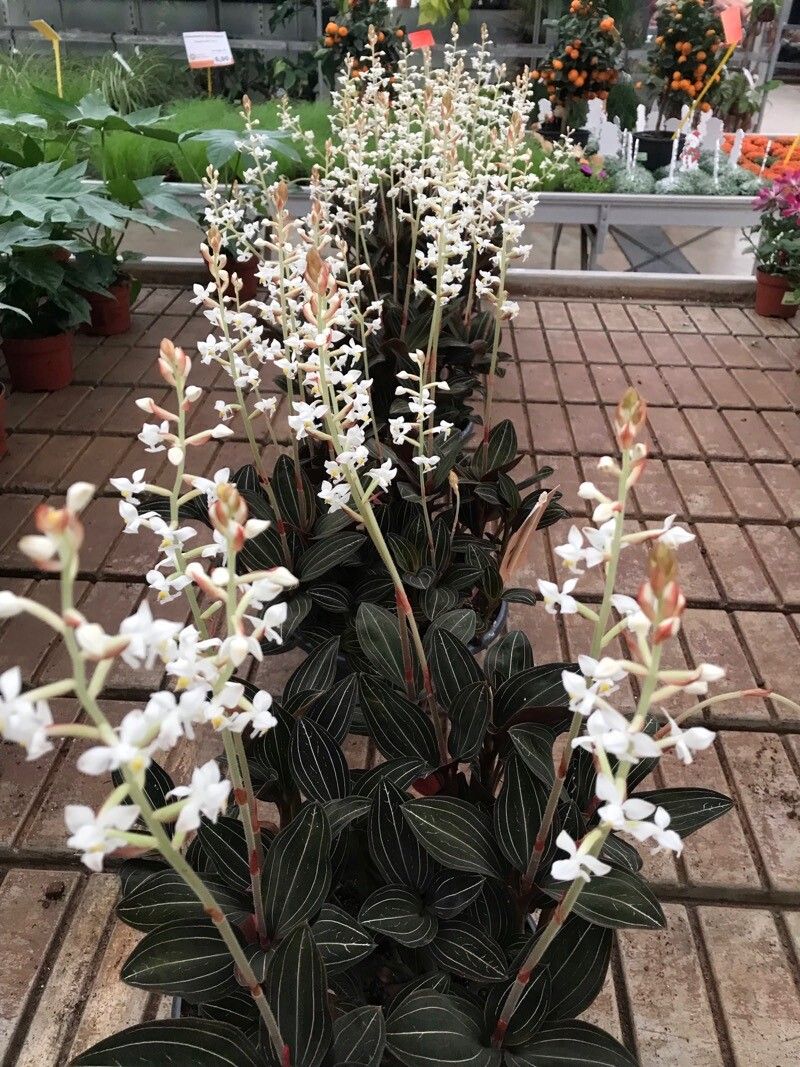
Ah, Ludisia discolor! If you’re looking for a jewel in your indoor Eden, this little terrestrial orchid is an absolute stunner. Its velvety, dark foliage, often with exquisite crimson veining, is a true conversation starter. And the best part? Sharing that beauty with friends or simply expanding your own collection through propagation is surprisingly straightforward. Don’t let the “orchid” label intimidate you; Ludisia is quite forgiving, making it a fantastic plant for beginners eager to try their hand at multiplying their greenery.
The Best Time to Start
For Ludisia discolor, spring and early summer are your golden windows for propagation. This is when the plant is actively growing, meaning it has plenty of energy to put into developing new roots and shoots. Starting during this period gives your new cuttings a long, warm growing season to establish themselves before cooler weather or shorter days arrive.
Supplies You’ll Need
Here’s what you’ll want to have on hand:
- Sharp Pruning Shears or a Clean Knife: For making clean cuts.
- Well-Draining Potting Mix: I like a blend of orchid bark, perlite, and a bit of peat moss. You can also use a standard houseplant mix fortified with perlite.
- Small Pots or Seedling Trays: For your new cuttings. Ensure they have drainage holes.
- Clear Plastic Bags or a Mini Greenhouse: To create a humid environment.
- Rooting Hormone (Optional but Recommended): A powdered or gel rooting hormone can significantly speed up root development.
- Water: For water propagation, just clean tap water is fine.
Propagation Methods
Let’s get our hands dirty! My favorite ways to propagate Ludisia discolor are stem cuttings and division.
Stem Cuttings
This is my go-to method because it’s efficient and yields multiple new plants from one parent.
- Identify a Healthy Stem: Look for a mature, healthy stem on your parent plant that has at least 2-3 nodes. Nodes are the little bumps along the stem where leaves emerge.
- Make the Cut: Using your sharp shears or knife, cut the stem just below a node. Aim for a cutting that’s about 4-6 inches long. You can often get several cuttings from a single stem.
- Prepare the Cutting: Gently remove the lower leaves, leaving just one or two at the top. This prevents leaves from rotting when buried or submerged.
- Apply Rooting Hormone (Optional): If you’re using rooting hormone, dip the cut end of the stem into the powder or gel.
- Plant the Cutting:
- In Pots: Make a small hole in your prepared potting mix and insert the cut end into the soil, ensuring at least one node is buried. Gently firm the soil around it.
- In Water: Place the cutting in a small jar or vase filled with water, making sure the nodes are submerged but the remaining leaves are above the water line.
Division
This is a great option when your Ludisia is looking a bit crowded in its pot.
- Gently Remove from Pot: Carefully take your Ludisia out of its pot.
- Loosen the Roots: Gently tease away some of the old soil to expose the root system. You’ll see that Ludisia forms rhizomes, which are like little underground stems.
- Separate the Divisions: Look for natural breaks where a cluster of stems has its own roots. Using your fingers or a clean knife, gently separate these sections. Each division should have at least a few stems and some healthy roots.
- Pot Them Up: Pot each division into its own container filled with your well-draining potting mix.
The “Secret Sauce” (Pro Tips)
Here are a few things I’ve learned over the years that make a real difference:
- Humidity is Key: Whatever method you choose, keep those cuttings consistently humid. Tent them with a clear plastic bag or pop them into a mini greenhouse. This prevents them from drying out before they can form roots. A spritz of water inside the bag occasionally helps.
- Don’t Drown Them: When propagating in water, don’t let the leaves touch the water. They’ll rot quickly. Change the water every few days to keep it fresh.
- Bottom Heat Boost: I’ve found that providing a little warmth from below really kickstarts root development, especially for stem cuttings potted in soil. Placing your pots on a heat mat (designed for seedlings) set to a warm, not hot, temperature can work wonders.
Aftercare & Troubleshooting
Once you see signs of new growth or roots emerging (you might see them peeking out of the drainage holes of a potted cutting, or new leaves on a water-propagated one), your job isn’t quite done!
For water-propagated cuttings, wait until the roots are about an inch long before carefully transplanting them into a pot with your well-draining mix. Water them gently and keep them in that humid environment for a few more weeks.
For potted cuttings, continue to keep the soil consistently moist but not waterlogged. As they establish and you see new leaves unfurling, you can gradually acclimate them to less humidity and water them as you would a mature plant.
The most common issue you might encounter is rot. This usually happens if the cuttings are too wet, lack good air circulation, or have been submerged too long. If you see mushy, dark stems or leaves,Unfortunately, that particular cutting is likely lost, and you’ll need to act fast to save others from the same fate by improving drainage and air circulation. Don’t get discouraged if a few don’t make it – it’s all part of the learning process!
Enjoy the Journey
Propagating Ludisia discolor is a wonderfully rewarding experience. It’s a chance to witness the miracle of new life emerge from a simple cutting or division, and to share your love for these beautiful plants. Be patient, give them good care, and soon you’ll be admiring your own thriving new Ludisias. Happy growing!
Resource:
https://identify.plantnet.org/k-world-flora/species/Ludisia%20discolor%20(Ker%20Gawl.)%20Blume/data