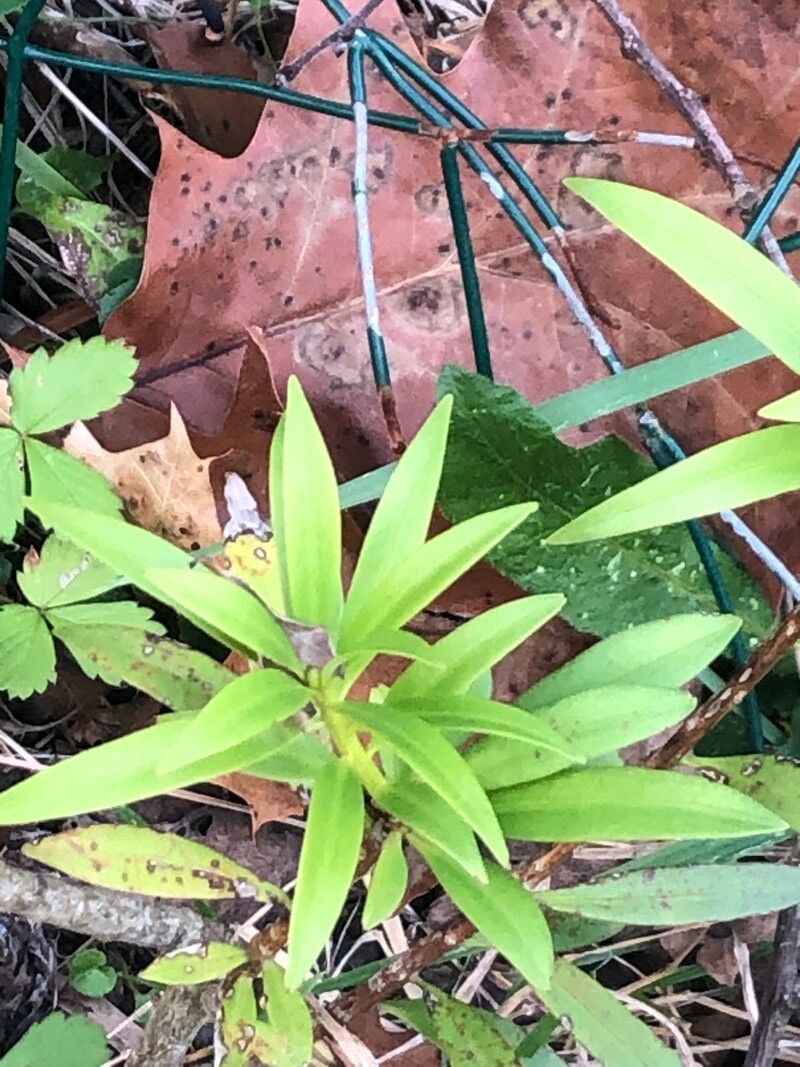
Oh, hello there! Come on in, grab a mug. Today, we’re diving into the wonderful world of propagating Podocarpus oleifolius. I know, that sounds a bit fancy, but trust me, this plant is worth the attention.
Why Propagate Podocarpus Oleifolius?
Podocarpus oleifolius, often called the “Buddhist pine” or “yew pine” in some circles, is just a gorgeous evergreen. It has this lovely, slightly architectural growth habit with its deep green, needle-like leaves that always looks so sophisticated, whether it’s a small specimen in a pot or a mature tree. Propagating it is incredibly rewarding because you get to multiply that beauty! Plus, there’s a special kind of joy in nurturing a brand new plant from a tiny piece of its parent. Now, for beginners, I’d say propagating Podocarpus can be a bit of a learning curve, but with a little patience and these tips, you’ll be well on your way. It’s not the absolute easiest plant to start with, but definitely achievable!
The Best Time to Start
For the highest chance of success, I always look towards late spring or early summer. This is when the plant is actively growing and has a good supply of energy. You’ll want to select stems that are no longer soft and floppy (like a brand new shoot) but also not completely woody and hard. Think of it as the “greenwood” stage – flexible, but with some substance.
Supplies You’ll Need
Here’s what you should have on hand before we get started:
- Sharp Pruning Shears or a Knife: Cleanliness is key to preventing disease.
- Rooting Hormone: This isn’t strictly essential for every plant, but it can give your Podocarpus cuttings a significant boost. Look for one that contains IBA (Indole-3-butyric acid).
- Sterile Potting Medium: A good mix is equal parts perlite and peat moss or a seed-starting mix. You want something that drains exceptionally well.
- Small Pots or Trays: Clean pots with drainage holes are a must.
- Plastic Bags or a Propagation Dome: To create a humid environment.
- Water: For misting and general watering.
- Optional: Heating Mat: Bottom heat can really encourage root development.
Propagation Methods
Let’s get our hands dirty! The most reliable way to propagate Podocarpus oleifolius is through stem cuttings.
- Select Your Cuttings: Head out to your plant and identify those non-flowering, healthy stems from late spring or early summer. Look for pieces that are about 4-6 inches long. Make a clean cut just below a leaf node (where leaves attach to the stem).
- Prepare the Cuttings: Gently remove the leaves from the bottom 2-3 inches of the cutting. This is important so that no leaves are submerged in the soil or water, which can lead to rot.
- Apply Rooting Hormone (Optional but Recommended): Dip the cut end of each stem into your rooting hormone powder, tapping off any excess.
- Plant Your Cuttings: Fill your clean pots or trays with your chosen sterile potting mix. Make a small hole with your finger or a pencil deep enough to insert the prepared end of the cutting. Gently place the cutting into the hole and firm the soil around it. Don’t pack it down too hard – we want the roots to be able to push through easily.
- Create a Humid Environment: Water the soil gently until it’s moist but not waterlogged. Then, cover the pots with a plastic bag (propped up so it doesn’t touch the leaves) or place them under a propagation dome. This traps humidity, which is crucial for cuttings that can’t yet take up water through roots.
- Provide Light and Warmth: Place the pots in a bright location that receives indirect sunlight. Avoid direct sun, which can scorch the delicate cuttings. If you’re using a heating mat, place the pots on top of it now.
The “Secret Sauce” (Pro Tips)
Here are a few things I’ve learned over the years that really make a difference:
- Cleanliness is King: Before you even pick up your tools, make sure everything is spotlessly clean. This means your pruners, your pots, everything. Pathogens are the gardener’s worst enemy when propagating, and a clean start is half the battle.
- Bottom Heat is Magic: Seriously, if you can swing it, a gentle heating mat makes a world of difference. It encourages root formation from the base of the cutting, making a much sturdier new plant. Aim for around 70-75°F (21-24°C).
- Don’t Overwater! This is a common mistake. The cuttings are relying on the moisture already in the stem and the humidity you’re providing. You want the soil to be consistently moist, but never soggy. Soggy soil is a direct invitation to root rot.
Aftercare & Troubleshooting
Once your cuttings are planted, keep them consistently moist (but not wet!) and the humidity high. Check for signs of rooting every few weeks. You can gently tug on a cutting – if there’s resistance, it’s a good sign roots are developing.
The biggest problem you might encounter is rot. If you see mushy, black stems, or the leaves turn yellow and fall off rapidly, it’s likely due to overwatering or poor air circulation. If this happens, remove the affected cuttings immediately to prevent it from spreading.
When you see good root development (you might even see roots peeking out of the drainage holes), it’s time to gradually acclimate them to lower humidity. Open the propagation dome or remove the plastic bag for increasing periods over a week or so. Once they’re used to ambient humidity, you can transplant them into slightly larger pots with a well-draining potting mix.
A Little Patience Goes a Long Way
Propagating plants is a journey, and Podocarpus oleifolius is no exception. There might be a few wobbles along the way, but don’t get discouraged. Celebrating the small successes – that first tiny root, a new leaf unfurling – makes the whole process so much more enjoyable. Just keep nurturing them, and you’ll be rewarded with beautiful new plants to share or to add to your own growing collection. Happy gardening!
Resource:
https://identify.plantnet.org/k-world-flora/species/Podocarpus%20oleifolius%20D.Don/data