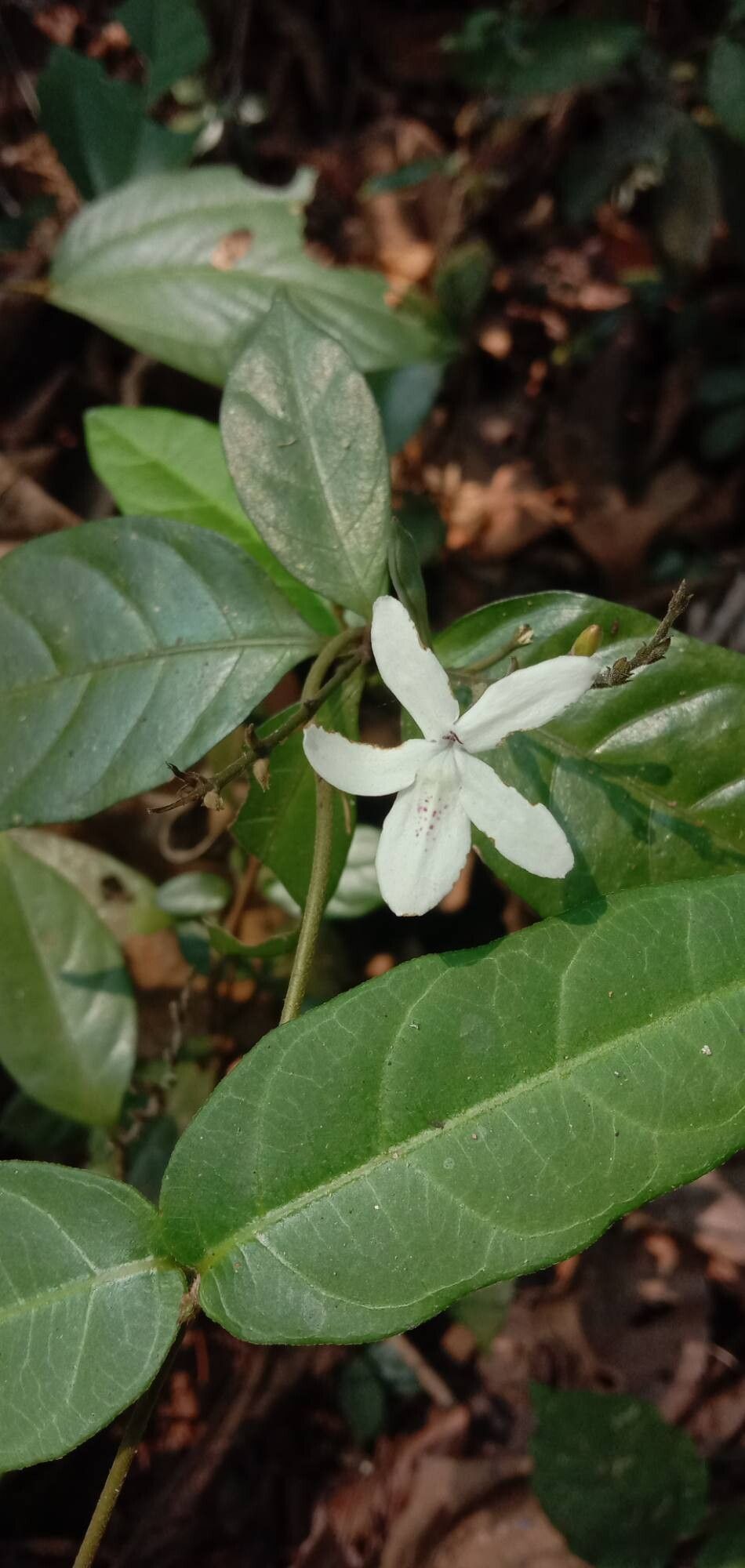
Oh, hello there! Come on in, pull up a chair. I’ve been wanting to chat with you about Pseuderanthemum latifolium. Isn’t it just a darling? Those deep green, glossy leaves with those beautiful, intricate white markings – it’s like nature’s own little masterpiece.
Getting your own plant started from a cutting or a division is incredibly rewarding. It connects you to the plant on a deeper level, and honestly, seeing that first tiny new leaf unfurl on your propagated baby is pure magic. Now, if you’re just dipping your toes into the world of plant propagation, I’d say Pseuderanthemum latifolium is moderately easy. It’s not a total beginner plant, but with a little care and attention, you’ll be celebrating success before you know it.
The Best Time to Start
My favorite time to propagate Pseuderanthemum latifolium is during its active growth period, which usually falls in late spring and summer. This is when the plant is full of energy and ready to put out new shoots. You want to take cuttings from stems that are firm but not woody. Think of it as choosing an enthusiastic teenager, not a sleepy elderly relative!
Supplies You’ll Need
Here’s what you’ll want to have on hand:
- Sharp pruning shears or a clean craft knife: For making clean cuts. We don’t want to bruise our little ones!
- A light, well-draining potting mix: I usually start with a mix of equal parts peat moss or coco coir and perlite. This gives it good aeration and prevents sogginess.
- Small pots or trays: Seedling pots, repurposed yogurt containers (with drainage holes, of course!), or even clear plastic cups will work.
- Rooting hormone (optional but recommended): This can significantly speed up root development. I prefer a powdered form.
- A clear plastic bag or a propagation lid: To create a mini-greenhouse for your cuttings.
- Watering can with a fine rose attachment or a spray bottle: For gentle watering.
Propagation Methods
Let’s get our hands dirty! Here are the methods I find most successful for this lovely plant.
1. Stem Cuttings: My Go-To Method
This is my absolute favorite. It’s efficient and usually yields great results.
- Select your stems: Look for healthy, non-flowering stems that are about 4-6 inches long. You want to make a cut just below a leaf node. This is a crucial spot where roots are likely to form.
- Prepare the cuttings: Using your sharp shears or knife, make a clean cut. Remove the lower leaves, leaving just a couple at the top. This helps the cutting conserve energy and reduces the risk of rot.
- Apply rooting hormone (if using): Dip the cut end of the stem into the rooting hormone, tapping off any excess.
- Plant your cuttings: Fill your pots with your prepared potting mix. Make a small hole with your finger or a pencil, then gently insert the cutting. Firm the soil around it.
- Water gently: Water thoroughly, making sure the soil is moist but not waterlogged.
- Create a humid environment: Place a clear plastic bag over the pot, securing it around the base, or use a propagation lid. This creates a humid microclimate that encourages rooting. Place the pot in bright, indirect light. Avoid direct sun, which can scorch the delicate cuttings.
2. Water Propagation: The See-Through Method
This method is fun because you can watch the roots develop!
- Take your cuttings: Follow the same stem selection and preparation as for the soil propagation.
- Place in water: Put your cuttings in a clear glass or jar filled with clean water. Make sure no leaves are submerged in the water. This is important to prevent rotting.
- Change the water regularly: Every few days, replace the water with fresh, room-temperature water. This keeps things clean and oxygenated.
- Location, location, location: Place the jar in a spot with bright, indirect light.
- When to pot: Once you see healthy roots that are at least an inch long, it’s time to transfer them to soil. Be gentle when potting them up into your well-draining mix.
The “Secret Sauce” (Pro Tips)
Alright, let’s talk about a few little tricks I’ve learned over the years.
- Bottom Heat is Your Friend: If you can, using a heat mat under your pots can dramatically speed up root formation. Pseuderanthemum latifolium loves a bit of warmth to get those roots going. You can find small, inexpensive heat mats designed for seedlings.
- Don’t Overcrowd: When you’re planting multiple cuttings in a pot, give them a little space. They need air circulation to prevent fungal issues. Plus, you don’t want them competing for resources before they’ve even established themselves.
- Mist Generously (But Not Excessively): While we’re creating humidity with the bag, a light misting of the leaves every day or two can also be beneficial, especially if your indoor air is dry. Just make sure the mist can evaporate.
Aftercare & Troubleshooting
Once you see those little roots forming (and you will!), it’s time to transition your new plants.
- Gradual Acclimation: Slowly introduce your rooted cuttings to normal room humidity by gradually opening the plastic bag or lid over a week. Continue to keep them in bright, indirect light.
- Watering: Water when the top inch of soil feels dry to the touch. Don’t let them sit in soggy soil!
- Common Issues: The most common problem you might face is rot, which is usually caused by overwatering or poor drainage. If a cutting turns black and mushy, it’s usually a sign of rot. Unfortunately, there’s not much you can do once that happens, but don’t get discouraged! Just toss it and try again. Another sign of trouble is wilting that doesn’t perk up after watering, which can indicate a lack of roots or a too-dry environment.
A Encouraging Closing
Remember, propagation is a journey of observation and patience. Not every cutting will make it, and that’s perfectly okay. Each attempt is a learning experience. So, take a deep breath, grab your shears, and enjoy the process of multiplying your beautiful Pseuderanthemum latifolium. Soon, you’ll have little plant babies to share with friends or fill every sunny corner of your home. Happy planting!
Resource: