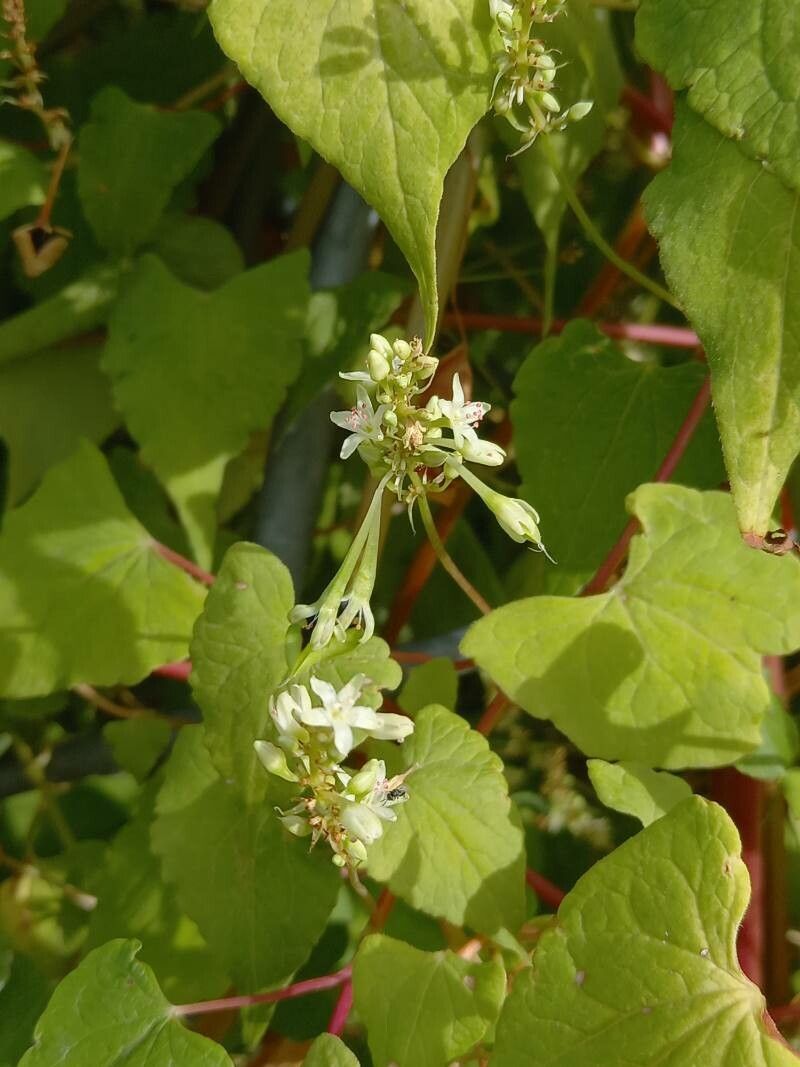
Oh, Pteroxygonum giraldii! Isn’t it just a marvel? Those delicate, fern-like leaves and the way they drape… it’s the kind of plant that whispers secrets from the forest floor. I remember the first time I saw one, I was instantly smitten. And the best part? You can bring that same whisper of wild beauty into your own home by propagating them. For folks just starting out with propagation, I’d say this one’s a bit of a patient endeavor, not a “stick it in and forget it” kind of plant, but absolutely doable with a little know-how!
The Best Time to Start
When it comes to Pteroxygonum, I find the spring and early summer are your golden ticket. This is when the plant is really bursting with new growth and has plenty of energy reserves. You’re aiming for cuttings from healthy, vigorous stems that are producing fresh leaves. Think of it as tapping into the plant’s prime time, when it’s naturally inclined to create more of itself.
Supplies You’ll Need
Gathering your tools beforehand makes the whole process so much smoother. You won’t need much, but having the right bits and bobs makes all the difference:
- Sharp, sterile pruning shears or a craft knife: Clean cuts are crucial for preventing disease.
- Rooting hormone (optional but recommended): A little help can go a long way!
- A well-draining potting mix: I lean towards a mix of peat moss or coco coir, perlite, and a touch of orchid bark. Something that lets air circulate.
- Small pots or trays: Anything that can hold your cuttings and the potting mix. Terra cotta pots are great for small cuttings as they breathe.
- A clear plastic bag or a propagation dome: To create a humid environment.
- Watering can with a fine rose or a mister: For gentle watering.
Propagation Methods
Pteroxygonum giraldii is best propagated through stem cuttings. It’s pretty straightforward once you know the drill.
- Take Your Cuttings: On a bright, healthy stem, look for a section about 4-6 inches long. Make a clean cut just below a leaf node (that’s where a leaf joins the stem). Remove the lower leaves, leaving just a couple at the very top.
- Apply Rooting Hormone (The ‘Dip’): If you’re using rooting hormone, dip the cut end of your stem into it. Tap off any excess – you just need a light coating.
- Plant Your Cuttings: Fill your small pots with your prepared potting mix. Make a small hole with your finger or a pencil, and gently insert the cut end of the stem. Firm the soil around it gently.
- Create a Humid Environment: Water the soil lightly. Then, cover the pot with a clear plastic bag, securing it around the rim with a rubber band, or place it under a propagation dome. This traps moisture and keeps the humidity high, which is what those cuttings need.
The “Secret Sauce” (Pro Tips)
Now, for a couple of things I’ve learned over the years that really seem to give these cuttings a nudge:
- Avoid Waterlogged Bottoms: When you water your cuttings, you want the soil to be moist but not soggy. If the bottom of the pot sits in standing water, you’ll invite rot faster than you can say “new plant!” Ensure good drainage.
- Warmth is Key: Pteroxygonum roots do best with a bit of warmth. If your home is on the cooler side, placing your cuttings on a heating mat specifically designed for plants can significantly speed up root development. It’s like a little spa treatment for your potential new plants!
Aftercare & Troubleshooting
Once your cuttings are potted, find a spot for them that gets bright, indirect light. No direct sun, please – it can scorch those tender new leaves. Keep the soil consistently moist but not waterlogged, and maintain that humidity with your plastic bag or dome.
You’ll know your cuttings are happy when you start to see new leaf growth. This is a sign that roots are forming! Once you see this, you can gradually acclimate them to less humid conditions by opening the bag a little each day. Eventually, you can remove it altogether.
The most common problem you’ll encounter is rot. If your cutting turns mushy or black, it’s a sign of too much moisture and not enough air circulation. Unfortunately, once rot sets in, it’s usually game over for that particular cutting. Don’t be discouraged, though! Just toss it and try again.
Happy Propagating!
Propagating Pteroxygonum giraldii is a journey, not a race. There might be a bit of trial and error, and that’s perfectly normal. Be patient, observe your cuttings, and enjoy the process of nurturing life. Before you know it, you’ll have more of these enchanting plants to share or to fill your home with their quiet beauty. Happy gardening!
Resource: