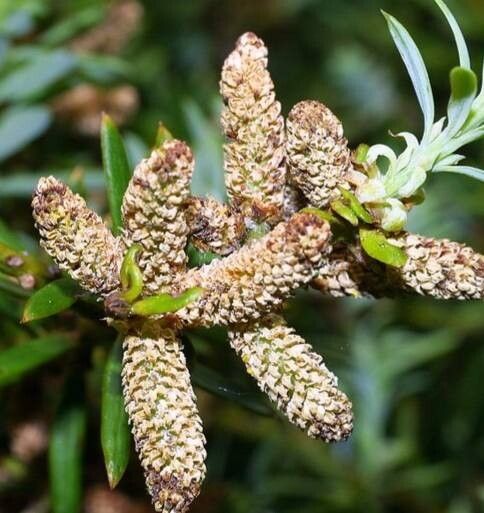
Oh, Podocarpus totara! If you’ve ever admired those stately, architectural trees gracing many a garden, you’re not alone. They have this wonderful presence, don’t they? Their leathery, dark green foliage has a timeless elegance, making them perfect for formal hedges, specimen trees, or even shaping into a beautiful bonsai. And the best part? Getting more of these beauties yourself is a wonderfully rewarding endeavor. While some plants can be a bit fussy, I find Podocarpus totara to be a pretty good one to get started with, especially if you follow a few key steps.
The Best Time to Start
For me, the sweet spot for propagating Podocarpus totara is definitely during the active growing season. This usually means late spring through summer. When the plant is buzzing with life, sending out new growth, it’s much more inclined to form roots. Trying to take cuttings when the plant is dormant or stressed will significantly lower your chances of success. Think of it as trying to bottle lightning – you want all the energy on your side!
Supplies You’ll Need
Gathering your tools before you begin makes the whole process smoother. Here’s what I always have on hand:
- Sharp, clean pruning shears or a hobby knife: For making clean cuts. Sterilize them with rubbing alcohol between cuts, especially if you’re taking a few.
- Rooting hormone powder or gel: This is really helpful for encouraging root development. Some plants are more reliant on it than others, but it’s a good insurance policy.
- Well-draining potting mix: I like to use a blend of equal parts perlite and peat moss, or a specialized seedling and cutting mix. Avoid heavy garden soil.
- Small pots or trays: Clean, drainage holes are a must.
- A plastic bag or a clear plastic dome: To create a humid environment for your cuttings.
- Watering can with a fine rose attachment or a spray bottle: For gentle watering.
- Optional: A heat mat: This can be a game-changer for encouraging faster root formation.
Propagation Methods
Podocarpus totara can be successfully propagated through stem cuttings. It’s my go-to method.
-
Taking the Cuttings:
- First, locate some healthy, semi-hardwood stems. These are stems that are a bit mature, not brand new and flimsy, but not woody and old either. You can often identify them by their slightly developed bark.
- Using your sharp shears, take cuttings that are about 4-6 inches long. Make your cut just below a leaf node (where a leaf attaches to the stem).
- Remove the lower leaves, leaving just a few at the very top. This prevents them from rotting when they’re in the soil.
-
Preparing the Cuttings:
- Dip the cut end of each cutting into rooting hormone. Gently tap off any excess.
- Make a hole in your potting mix with a pencil or stick. This prevents the hormone from rubbing off when you insert the cutting.
- Insert the treated end of the cutting into the hole, pressing the soil gently around it to ensure good contact.
-
Creating the Humid Environment:
- Once your pots are filled and the cuttings are in place, water them gently.
- Cover the pot with a clear plastic bag (supported by stakes so it doesn’t touch the leaves) or place a clear plastic dome over the tray. This traps moisture and humidity, which is crucial for cuttings that don’t have roots yet to draw water.
- Place the pots in a bright location, but out of direct sunlight. A north-facing window or a shaded spot works well.
The “Secret Sauce” (Pro Tips)
Here are a few things I’ve learned over the years that really boost my success rates:
- Don’t let those lower leaves touch the soil! I know I mentioned it, but it bears repeating. Any foliage in direct contact with moist soil is a prime spot for fungal diseases, and that’s the quickest way to lose a cutting. Trim them back neatly.
- Bottom heat is magic. If you have the space, popping your pots onto a gentle heat mat really speeds things up. It mimics the warmth of Mother Earth in spring and encourages those roots to form much more readily. You don’t want it hot, just consistently warm.
- Mist, don’t drown. While humidity is key, soggy soil is the enemy. I like to mist my cuttings lightly every couple of days if they seem to be drying out, but I check the soil moisture carefully. If it still feels damp, leave it be. We’re aiming for consistently moist, not waterlogged.
Aftercare & Troubleshooting
Once you start seeing new leaf growth emerging from your cuttings, that’s a fantastic sign! It means roots are forming, or have already formed. At this point, you can gradually introduce them to slightly more light and start watering a bit more regularly, but still with care.
The biggest problem you might encounter is rot. If your cuttings start to look mushy, discolored, or fall apart, it’s usually due to too much moisture and not enough air circulation. Sometimes, this means starting over. If you see signs of fungus on the soil surface, you can try gently scraping it off and allowing the surface to dry out a bit more. If a cutting just seems to be dying off without any obvious rot, it might be that it just didn’t take – some just don’t, and that’s okay.
A Encouraging Closing
Propagating Podocarpus totara is a journey, and like any good journey, it’s about appreciating the steps along the way. Be patient, observe your cuttings, and don’t be discouraged if not every single one makes it. The thrill of seeing those tiny roots emerge and holding a brand-new plant you grew yourself is absolutely worth the effort. Happy propagating!
Resource:
https://identify.plantnet.org/k-world-flora/species/Podocarpus%20totara%20G.Benn.%20ex%20D.Don/data