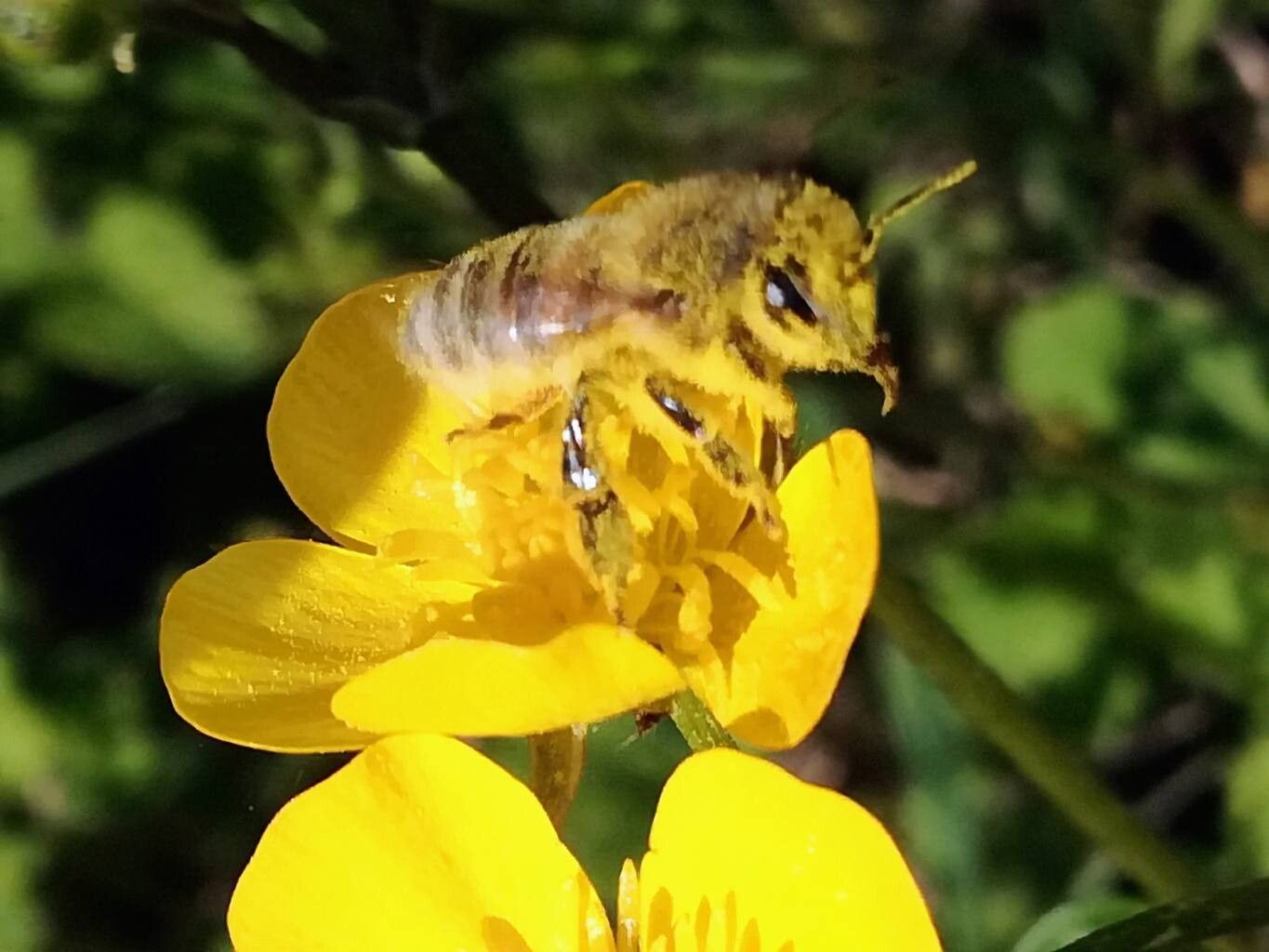
Ah, the Ranunculus! Those ruffled, paper-thin petals, like a blush of vibrant color on a spring day. I’ve been captivated by them for years, and if you’re like me, you probably dream of filling your garden with even more of these beauties. The good news? Propagating them yourself is a wonderfully rewarding journey, and while they can be a little finicky, with a few gentle nudges, you can absolutely succeed. Don’t let that deter you; it’s a chance to learn and grow alongside your plants!
The Best Time to Start
Timing is everything with Ranunculus. The ideal window for propagation is when the plant is dormant. For most regions, this means late summer or early fall, after the foliage has started to yellow and die back. This is when the bulbs have stored up all their energy and are ready for a bit of a rest before their next big show. Trying to propagate while they’re actively growing can stress them out too much.
Supplies You’ll Need
Gathering your tools beforehand makes the whole process much smoother. Here’s what I usually have on hand:
- Sharp pruning shears or a clean knife: For making precise cuts.
- Well-draining potting mix: A good quality seed-starting mix or a blend of peat moss, perlite, and a little compost works wonders. Avoid anything too heavy.
- Small pots or trays: Clean containers with drainage holes are essential.
- Watering can or spray bottle: For gentle hydration.
- Rooting hormone (optional but helpful): Especially for cuttings, this can give them a little boost.
- Labels and a marker: You’ll thank yourself later for remembering what you planted where!
- A warm, bright location: But avoid direct, scorching sun.
Propagation Methods
While Ranunculus can be a bit shy about stem cuttings, division is where it’s at for us home gardeners.
1. Bulb Division: The Most Reliable Method
This is the classic way to multiply your Ranunculus.
- Gentle Extraction: Once your plants are dormant and you’ve gently dug up the bulbs, you’ll notice that they often have multiple sections, kind of like little knobby fingers.
- Inspection and Cleaning: Carefully brush off any excess soil. You’re looking for bulbs that have an “eye” – a small bud or growth point from which new shoots will emerge.
- The Cut: Using your sharp, clean pruning shears or knife, gently separate the bulb into sections. Make sure each section has at least one healthy-looking eye. If a bulb is small and doesn’t have clear divisions, it’s best to leave it as one piece.
- Drying Time: Allow the cut surfaces to callus over for a day or two in a dry, airy place. This helps prevent rot when you replant them.
- Planting: Plant your divided bulbs about 2-3 inches deep in your prepared well-draining soil, with the eye facing upwards. Water gently.
2. Stem Cuttings (More Advanced)
This can be trickier with Ranunculus as they can be prone to rot, but if you’re feeling adventurous and have a healthy, established plant:
- Identify a healthy stem: Look for a stem with a few leaves.
- Make a clean cut: Using your sharp shears, cut a stem just below a leaf node (where a leaf attaches to the stem). Aim for a cutting that’s about 3-4 inches long.
- Prepare the cutting: Remove the lower leaves, leaving just a couple at the top. You can dip the cut end in rooting hormone if you’re using it.
- Planting: Insert the cut end into a pot filled with a light, moist potting mix.
- Keep it humid: Cover the pot with a plastic bag or place it in a propagator to maintain high humidity. Misting the leaves regularly is key.
The “Secret Sauce” (Pro Tips)
After years of coaxing these beauties, I’ve picked up a few tricks:
- Don’t let the leaves touch the water (for cuttings): If you’re attempting stem cuttings and experimenting with water propagation (though I generally advise against it for Ranunculus due to rot risk), ensure only the cut end is submerged. Any leaves dipping into the water will likely rot and can take the whole cutting down with them.
- Bottom heat is your friend: For both divisions and cuttings, providing a gentle warmth from below (using a seedling heat mat) can significantly speed up root development and overall success. It mimics that lovely spring soil temperature.
- Handle with care, but not too much: Ranunculus bulbs are delicate. While you need to be precise when dividing, try not to over-handle them. The less stress you introduce, the better they’ll respond.
Aftercare & Troubleshooting
Once you see new shoots emerging, you’re on the right track!
- Watering: Water when the top inch of soil feels dry. Overwatering is the quickest way to invite rot, so err on the side of slightly dry.
- Light: Provide bright, indirect light. Direct sunlight can scorch young shoots.
- Troubleshooting Rot: The biggest sign of trouble is mushy, dark stems or bulbs. If you see this, act fast. Remove the affected parts and improve air circulation. Sometimes, it’s best to just pull out what’s gone bad to prevent it from spreading. If your cuttings refuse to root after several weeks, they might have rotted. Don’t be discouraged; just try again with fresh ones!
A Encouraging Closing
Growing Ranunculus from your own successful propagations is a truly delightful experience. It’s a little bit of patience, a little bit of learning, and a whole lot of reward when you see those vibrant blooms appearing year after year. So go on, give it a try. Enjoy the process, learn from every step, and soon you’ll have a garden bursting with your own magnificent Ranunculus!
Resource:
https://identify.plantnet.org/k-world-flora/species/Ranunculus%20bulbosus%20L./data