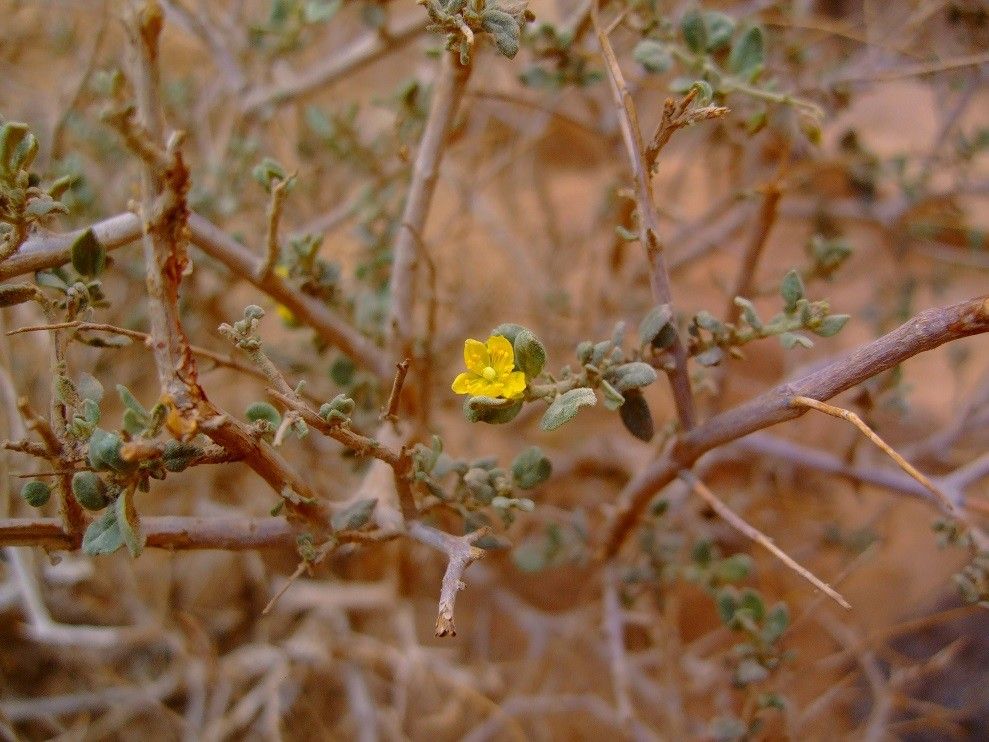
Hello, fellow garden enthusiasts! Today, we’re going to dive into the wonderful world of propagating Helianthemum ellipticum, or as many of us affectionately call it, our beautiful, sun-loving Rock Rose.
Introduction
There’s something uniquely satisfying about growing a plant from a tiny cutting, isn’t there? Rock Roses, with their delicate, papery petals and ability to thrive in sunny, well-drained spots, offer a burst of cheerful color. They’re like little jewels scattered amongst the rocks and gravel. Propagating them yourself is a fantastic way to expand your own collection or to share these little beauties with friends. Now, I know some plants can be a bit finicky, but Helianthemum ellipticum is generally considered quite good for beginners when it comes to propagation. You’ve got this!
The Best Time to Start
For the highest chance of success with Helianthemum ellipticum, I always recommend starting in late spring to early summer. This is when the plant is actively growing, and you’re taking cuttings from what we call “semi-hardwood.” These cuttings are pliable enough to root easily but have started to firm up, which reduces the risk of them getting mushy. Waiting until the plant has finished its initial flush of spring growth is key.
Supplies You’ll Need
Before we get our hands dirty, let’s gather our essentials:
- Sharp pruning shears or a clean, sharp knife: For taking neat, precise cuttings.
- Seed starting mix or a well-draining potting mix: A blend of peat moss and perlite, or a commercial seedling mix, works wonders. You want it to be light and airy.
- Rooting hormone (optional but helpful): A powder or gel can give your cuttings an extra boost in developing roots.
- Small pots or trays: Clean containers with drainage holes are a must.
- Plastic bags or a propagator: To create a humid environment for your cuttings.
- Labels and a marker: To keep track of what you’ve planted and when.
- Watering can with a fine rose: For gentle watering.
Propagation Methods
We’ll focus on a few reliable methods. My go-to is stem cuttings, as it’s particularly effective for Helianthemum ellipticum.
Stem Cuttings
- Select your material: Look for healthy, non-flowering shoots from your mature Rock Rose. You want stems that are firm but still flexible – the “semi-hardwood” stage.
- Take the cuttings: Using your clean shears, make a cut just below a leaf node (where a leaf attaches to the stem). Aim for cuttings that are about 3-4 inches long. Remove any flowers or flower buds, as these can drain energy from root development.
- Prepare the cuttings: Gently strip off the lower leaves, leaving just two or three at the very top. This reduces water loss and prevents leaves from sitting in the soil, which can lead to rot.
- Apply rooting hormone (if using): Dip the cut end of each stem into the rooting hormone, tapping off any excess.
- Pot them up: Make small holes in your seed-starting mix using a pencil or your finger. Insert the cuttings into the holes, ensuring the leaf nodes where you removed the leaves are below the soil surface. Gently firm the soil around them.
- Water gently: Water thoroughly but carefully so you don’t dislodge the cuttings.
- Create humidity: Cover the pots or tray with a plastic bag, supported by stakes or skewers so the plastic doesn’t touch the leaves. Alternatively, place them in a propagator. This microclimate helps prevent the cuttings from drying out while they try to root.
- Find a suitable spot: Place the pots in a bright spot with indirect light. Avoid direct sun, which can scorch the young cuttings.
Water Propagation (Less common for this plant, but I’ve seen it work!)
While stem cuttings in soil are my preference, you can try water propagation with Rock Rose.
- Take cuttings as described above, but do not dip them in rooting hormone.
- Place each cutting in a small jar or glass of water.
- Crucially, make sure no leaves are submerged in the water. This is the quickest way to invite rot.
- Place the jars in bright, indirect light.
- Change the water every few days to keep it fresh.
- You should see small white roots forming in a few weeks. Once they are about an inch long, you can carefully plant them into your well-draining potting mix.
The “Secret Sauce” (Pro Tips)
After years of muddling through, I’ve picked up a few tricks that seem to make a difference:
- Bottom heat is your friend: If you have a seedling warming mat, placing your pots on it can significantly speed up root development. It mimics the warmth of spring soil. Just make sure the mat is designed for plants.
- Don’t be tempted to fuss too much: Resist the urge to constantly check for roots or pull them out to see how they’re doing. With stem cuttings, you can often gently tug on a cutting. If there’s resistance, it means roots have formed. Leave them be until you see good new growth.
- Humidity, humidity, humidity! That plastic bag or propagator isn’t just for show. Rock Rose cuttings have a lot of leaf surface area relative to their size, and they can dry out very quickly. That humid environment gives them the breathing room they need to establish.
Aftercare & Troubleshooting
Once you see signs of new growth – tiny leaves unfurling at the top – it’s a good indication that roots have formed.
- Gradually acclimate them: If you used a plastic bag, start by opening it for a few hours each day to reduce the humidity slowly. This prevents shock.
- Careful watering: Continue to keep the soil consistently moist but not soggy. Water when the top layer of soil feels dry to the touch.
- Potting up: Once the cuttings have developed a decent root system, you can pot them into slightly larger pots with your regular well-draining potting mix.
Signs of failure usually manifest as rot. If a cutting turns brown and mushy, or the leaves wilt dramatically and don’t perk up, it’s likely succumbed to rot. This is often due to too much moisture, poor drainage, or lack of airflow. Don’t get discouraged! Just clear out the affected cutting and try again. Often, it’s a simple matter of adjusting the watering or ensuring better drainage.
A Encouraging Closing
Propagating Helianthemum ellipticum is a journey, not a destination. Enjoy the process of nurturing these little shoots. Be patient, keep an eye on them, and celebrate each new leaf and the eventual formation of roots. Before you know it, you’ll have a small army of Rock Roses ready to grace your garden or be passed on to fellow plant lovers. Happy planting!
Resource:
https://identify.plantnet.org/k-world-flora/species/Helianthemum%20ellipticum%20(Desf.)%20Pers./data