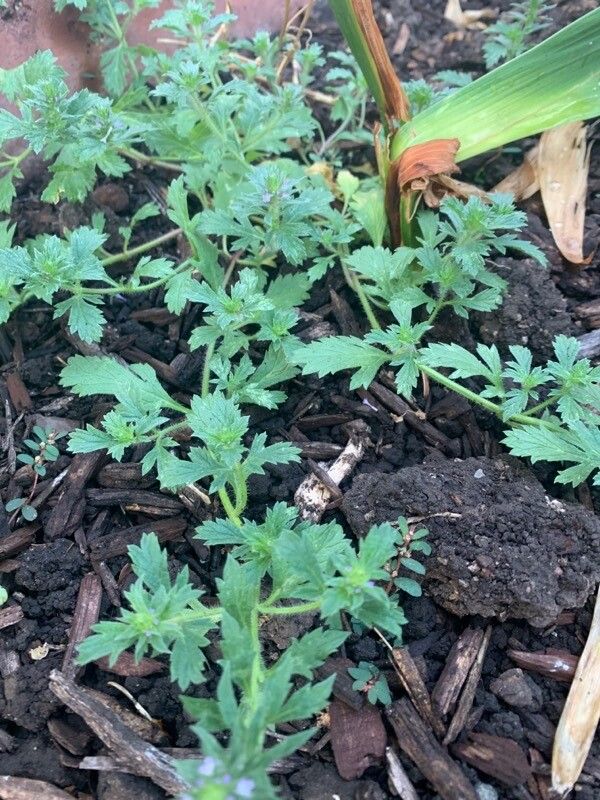
Oh, hello there, fellow garden lover! I’m so glad you’ve stopped by. Today, we’re going to dive into the wonderful world of propagating Verbena polyantha. If you’ve ever admired those delicate, often fragrant clusters of blooms and wished you could have more of them gracing your own garden, you’re in for a treat. Propagating Verbena polyantha is incredibly rewarding, and I’m happy to say, it’s a pretty forgiving plant for newcomers. You’ll be creating your own little Verbena army in no time!
The Best Time to Start
When it comes to getting the most bang for your propagation buck, spring is your golden ticket. Late spring, just as the plant is really hitting its stride and putting on new growth, is absolutely perfect. You want to be taking cuttings from healthy, vigorous stems. Think of it as tapping into the plant’s youthful energy – it’s more likely to root and thrive then. I’ve had some success later in the summer too, but spring is definitely the most reliable time.
Supplies You’ll Need
Gathering your supplies ahead of time makes the whole process so much smoother. Here’s what I always have on hand:
- Sharp pruning shears or a clean knife: For taking clean cuts.
- A well-draining potting mix: I love a 50/50 blend of perlite and peat moss or coco coir. Don’t use heavy garden soil; it compacts too much.
- Small pots or containers: Even yogurt cups with drainage holes work!
- Rooting hormone (optional but recommended): This gives your cuttings a little boost. Get the powder or gel form.
- A clear plastic bag or a propagation dome: To create a humid environment.
- Water: For watering your cuttings.
- A pen: To label your pots with the date and variety.
Propagation Methods
Let’s get our hands dirty! For Verbena polyantha, stem cuttings are by far the most common and successful method.
Stem Cuttings:
- Select your parent plant: Find a healthy, non-flowering stem on your Verbena polyantha. You’re looking for stems that are somewhat woody at the base but still flexible.
- Make the cut: Using your sharp shears, cut a stem about 4-6 inches long. Make this cut just below a leaf node (the point where a leaf attaches to the stem). This is where the magic happens, root-wise.
- Prepare the cutting: Carefully remove the lower leaves from the cutting, leaving only the top few leaves. If the remaining leaves are very large, you can cut them in half to reduce water loss.
- Dip in rooting hormone (optional): Moisten the cut end of the stem and dip it into your rooting hormone powder or gel. Tap off any excess.
- Plant your cuttings: Fill your small pots with your prepared potting mix. Make a finger-sized hole in the center of the soil and gently insert the cut end of your Verbena cutting.
- Firm the soil: Lightly firm the soil around the stem to ensure good contact.
- Water well: Water thoroughly until you see water draining from the bottom of the pot.
- Create humidity: Cover the pots with a clear plastic bag or pop on a propagation dome. This traps humidity, which is crucial for cuttings to root. Make sure the leaves aren’t touching the sides of the bag too much. Place the pots in a bright spot, but out of direct, scorching sunlight.
The “Secret Sauce” (Pro Tips)
Here are a few little tricks I’ve picked up over the years that really make a difference:
- Bottom heat is your friend: If you have a seedling heat mat, placing your pots on it provides gentle warmth to the roots. This encourages faster root development and really speeds things up. It’s like a cozy blanket for your baby plants!
- Don’t overwater! This is a big one. While you want the soil to stay consistently moist, soggy soil is a fast track to rot. Let the top half-inch of soil dry out slightly between waterings. It’s better to be a little dry than too wet.
- Mist regularly: Even with the plastic cover, I like to give the leaves a light misting with water every couple of days. This helps keep them turgid and happy while they’re busy trying to form roots.
Aftercare & Troubleshooting
Once your cuttings have been happily sitting in their humid little homes for a few weeks, you’ll start to see signs of life! You’ll know they’re rooting when you see new leaf growth. You can also give them a very gentle tug; if there’s resistance, they’ve formed roots.
- Gradual acclimatization: Once roots have formed, it’s important to gradually introduce your new plants to less humid conditions. Start by opening the plastic bag or dome for a few hours each day, slowly increasing the time over a week or two.
- Transplanting: Once your new Verbena are a decent size and well-rooted, you can transplant them into slightly larger pots with regular potting soil.
Now, what if things go wrong? The most common culprit is rot. If your cuttings turn black and mushy, that’s usually a sign of too much moisture and not enough air circulation. Unfortunately, once rot sets in, it’s hard to save them. Don’t get discouraged! Just toss the affected cuttings and try again, paying closer attention to your watering and ventilation. Another sign of distress is wilting that doesn’t improve after watering; this might mean the cuttings are too dry or haven’t rooted yet.
Happy Propagating!
See? It’s really not as daunting as it might seem. Propagating Verbena polyantha is a wonderful way to expand your garden and share these beautiful plants with friends. Be patient with yourself and your cuttings. Some will succeed, and some might not – that’s just the dance of gardening. Just enjoy the process of nurturing new life. Happy propagating, and I can’t wait to hear about your successes!
Resource:
https://identify.plantnet.org/k-world-flora/species/Verbena%20polyantha%20(Umber)%20Moldenke/data