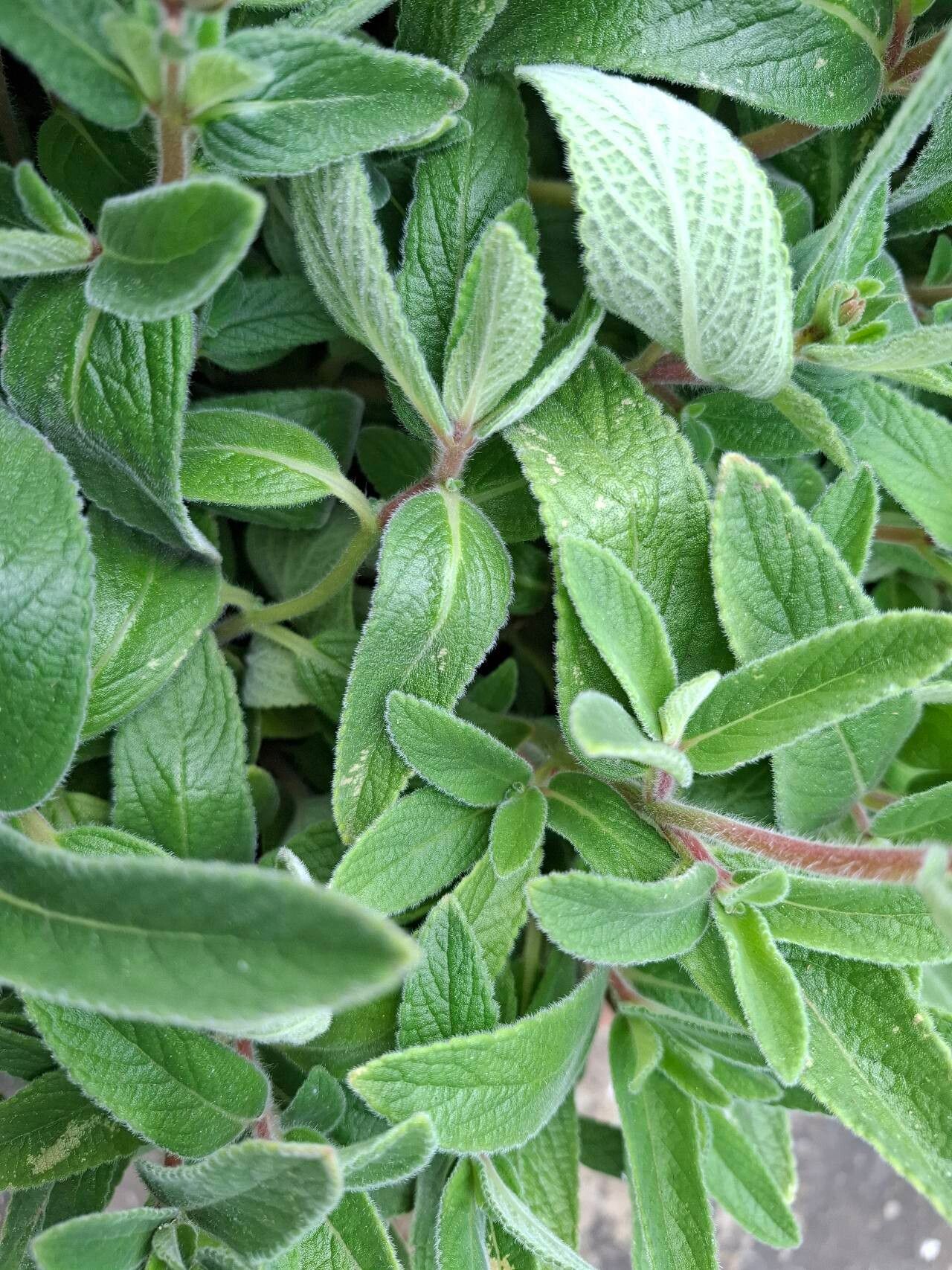
Oh, hello there! Pull up a chair, grab a mug, and let’s chat about one of my absolute favorite plants: the glorious Sinningia tubiflora, also known as the Tube-Flowered Gloxinia. If you’ve ever seen these beauties with their elegant, trumpet-shaped white flowers cascading down, you know exactly why I’m so excited to talk about them today. Propagating them is like planting a little seed of joy, and trust me, it’s incredibly rewarding! While they might seem a bit exotic, don’t let that intimidate you. With a little guidance, you’ll be well on your way to a whole new collection.
When to Get Your Hands Dirty: The Best Time to Start
For Sinningia tubiflora, spring is your golden ticket to propagation success. This is when the plant is naturally gearing up for its big blooming season, so it’s full of stored energy. Starting in early spring means your new babies will have the entire growing season to establish themselves nicely. You can also get a head start indoors if you have good light and warmth.
Gathering Your Garden Toolkit: Supplies You’ll Need
Don’t worry, you don’t need a whole shed full of fancy gadgets. Here’s what you should have on hand:
- Sharp Pruning Shears or a Clean Blade: For making nice, clean cuts.
- Good Quality Potting Mix: I prefer a light, airy mix. Something like a blend of peat moss, perlite, and a bit of coco coir works wonders. It needs to drain really well.
- Small Pots or Seed Trays: Clean ones are a must to prevent disease.
- Rooting Hormone (Optional but Recommended): This gives your cuttings a helpful boost to start forming roots.
- Watering Can with a Fine Rose: For gentle watering.
- Clear Plastic Bags or a Propagator Lid: To create a humid environment.
- Labels and a Marker: For keeping track of your precious projects!
Growing New Life: Propagation Methods
Sinningia tubiflora is wonderfully adaptable, and you have a couple of great ways to multiply your plants.
Stem Cuttings: A Classic Approach
This is my go-to method for Sinningia tubiflora.
- Take Your Cuttings: In spring, look for healthy, non-flowering stems. Using your sharp shears, cut a piece about 3-4 inches long. Make the cut just below a leaf node (that little bump where the leaf attaches to the stem).
- Prepare the Cutting: Gently remove the lower leaves. If the remaining leaves are very large, I like to cut them in half. This reduces water loss.
- Dip and Plant: Dip the cut end into your rooting hormone (if using). Then, insert the cutting into your prepared potting mix. Make sure at least one leaf node is nestled beneath the surface.
- Water Gently: Water the soil lightly. You want it moist, not soggy.
- Create Humidity: Cover the pot with a clear plastic bag or a propagator lid. Ventilate it daily for a few minutes to prevent mold. Place the pot in a warm spot with bright, indirect light.
Division: For the Established Beauties
If you have a mature Sinningia tubiflora that’s looking a bit crowded, dividing it can work well, especially in spring.
- Gently Excavate: Carefully remove the entire plant from its pot.
- Inspect the Roots and Tubers: You’ll notice fleshy tubers. Look for sections of the plant that have their own distinct root system and potential to grow.
- Separate with Care: Using your hands or a clean, sharp knife, carefully divide the plant into smaller sections. Ensure each piece has some tubers and roots attached.
- Pot Them Up: Pot each division into its own small pot with well-draining soil.
- Water Lightly: Water gently and place in a warm spot with bright, indirect light.
The “Secret Sauce”: My Insider Tips
These little tricks have saved me more than a few propagation attempts!
- Don’t Let Leaves Touch the Water: If you’re experimenting with water propagation (though I find stem cuttings more reliable for this one), never let the leaves themselves sit in the water. Only the cut stem should be submerged. Any leaf touching water is a fast ticket to rot!
- Bottom Heat is a Game Changer: Especially for stem cuttings, placing your pots on a gentle heating mat makes a world of difference. It encourages root formation much faster. Just ensure the mat doesn’t overheat; a consistent, mild warmth is key.
- Patience and Observation: Sinningia tubiflora can be a little slow to show signs of life. Don’t despair if you don’t see new growth immediately. Check for tiny root nubs by gently tugging (very gently!) or by keeping an eye on the surface of the soil for any new shoots.
The Next Steps: Aftercare & Troubleshooting
Once you see those tell-tale signs of roots – you might see a slight increase in turgidity in the leaves or even a tiny new shoot emerging – it’s time for continued care.
- Gradually Acclimate: If you used a plastic bag, slowly start to introduce your new plants to drier air by opening the bag a little more each day over a week.
- Water Wisely: Continue to water when the top inch of soil feels dry. Avoid overwatering, as this is the most common killer. Good drainage is paramount.
- Fertilize Lightly: Once the plant is actively growing and has a good root system, you can start with a highly diluted liquid fertilizer every 4-6 weeks.
- Watch for Trouble: The biggest culprit is rot. If your cutting turns mushy or black and falls apart, it’s likely due to too much moisture and not enough air circulation. If you see this, remove the affected cutting immediately and check the moisture of your other propagated plants.
Grow On, Green Thumbs!
See? You’ve got this! Propagating Sinningia tubiflora is a wonderfully fulfilling journey. Be patient with your new little babies, observe them closely, and most importantly, enjoy the process of bringing more beauty into your home. Happy propagating!
Resource:
https://identify.plantnet.org/k-world-flora/species/Sinningia%20tubiflora%20(Hook.)%20Fritsch/data