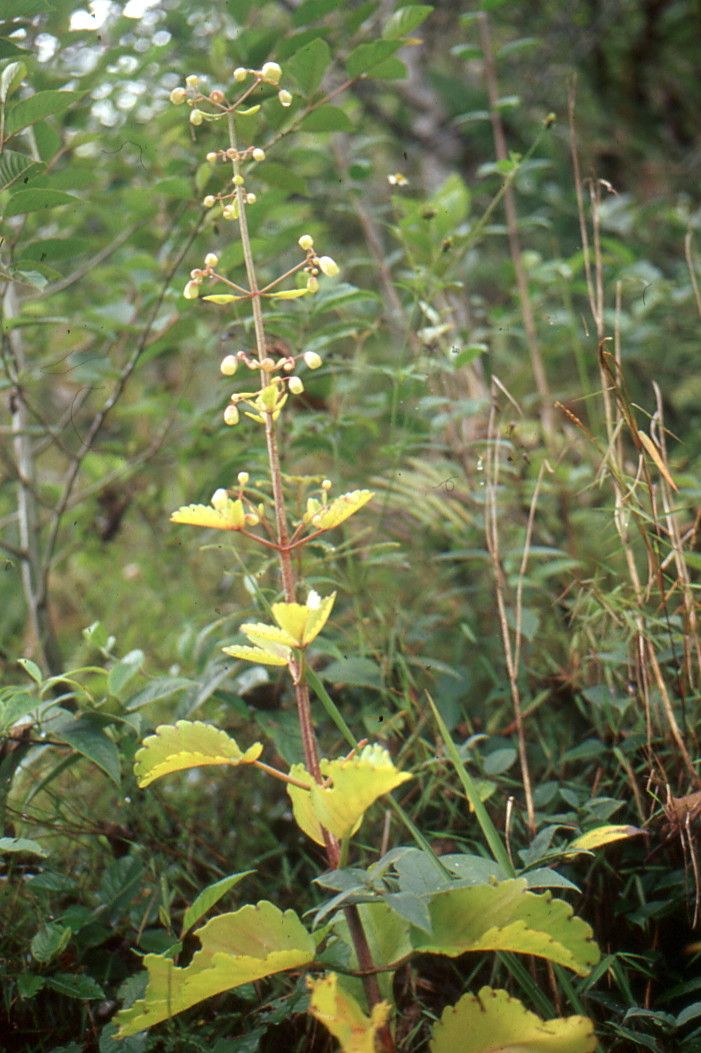
Let’s talk about bringing more of that delightful Kalanchoe integra into our lives! You know, those wonderful fuzzy leaves and cheerful blooms? There’s something incredibly satisfying about coaxing a brand new plant into existence from a tiny piece of another. And believe me, Kalanchoe integra is a fantastic plant to get started with if you’re new to propagating. It’s quite forgiving, which is always a welcome trait!
The Best Time to Start
Generally, the spring and early summer months are your best bet. When the plant is actively growing, it has more energy to put into developing roots. So, look for healthy, new growth on your Kalanchoe integra after the chill of winter has passed.
Supplies You’ll Need
You don’t need a whole lot for this project, which is part of what makes it so accessible. Here’s what I usually have on hand:
- Sharp, clean pruning shears or a knife. A clean cut is crucial for preventing disease.
- A well-draining potting mix. I often use a succulent or cactus mix, or I’ll amend regular potting soil with perlite or pumice. This is key to avoiding soggy soil.
- Small pots or trays. Terracotta pots are great because they breathe.
- Optional: Rooting hormone. While not strictly necessary for Kalanchoe integra, it can give your cuttings a little boost.
- Optional: A spray bottle. For a gentle mist.
Propagation Methods
Kalanchoe integra is wonderfully versatile, and I’ve had success with a couple of different approaches.
Stem Cuttings: My Go-To
This is my absolute favorite method for this plant. It’s reliable and quick!
- Take the Cutting: Using your clean shears, cut a healthy stem that’s about 3-4 inches long. Try to make the cut just below a leaf node (where a leaf attaches to the stem).
- Let it Heal: This is an important step! Allow the cut end to dry out and form a callus for a few days to a week. You can just leave it on a counter in a bright, dry spot. This prevents rot when you plant it.
- Plant it Up: Once callused, dip the cut end into rooting hormone if you’re using it. Then, insert the cutting about an inch deep into your prepared, well-draining potting mix. You might want to plant a couple of cuttings per pot to increase your chances.
- Water Sparingly: Water lightly after planting, just enough to settle the soil. For the next few weeks, let the soil dry out almost completely between waterings.
Leaf Cuttings (Less Common for this variety, but possible!)
While Kalanchoe integra is more reliably propagated from stem cuttings, you can try leaf cuttings, though it can be a bit more hit-or-miss.
- Select a Healthy Leaf: Choose a plump, mature leaf.
- Make the Cut: Gently twist or cut the leaf from the parent stem, making sure to get a small piece of the stem attached if possible.
- Callus: Just like with stem cuttings, let the cut end dry and callus for a few days.
- Plant or Lay Flat: You can either insert the callused end into the soil, or you can simply lay the leaf flat on top of the soil, with the callused end just barely touching.
- Misting: Lightly mist the soil around the leaf occasionally. Roots and eventually tiny plantlets will emerge from the callused end if you’re lucky! This method takes patience.
The “Secret Sauce” (Pro Tips)
Here are a couple of little tricks I’ve picked up over the years that really make a difference:
- Don’t Over-Water Initially: This is probably the biggest mistake beginners make. Remember, the cutting doesn’t have roots yet, so it can’t absorb much water. Soggy soil is a fast track to rot. Let the soil dry out almost completely before watering again, especially in those first few weeks.
- Consider Bottom Heat: If you’re propagating in a cooler environment or want to speed things up, placing your pots on a gentle heating mat designed for seedlings can work wonders. It encourages root development from below.
Aftercare & Troubleshooting
Once you start seeing new growth poking out of the soil or tiny roots emerging from the drainage holes, you know your cutting has taken! At this point, you can gradually start treating it more like a mature plant. Increase watering slightly, but always ensure good drainage.
The most common issue you’ll encounter is rot. If your cutting turns mushy, black, or starts to smell unpleasant, it’s likely rotted. This is usually a sign of too much moisture. If you catch it early, you might be able to salvage the healthy top part by taking another cutting.
A Encouraging Closing
Propagating plants is a journey, and there’s so much joy in watching something grow from a small piece. Don’t get discouraged if your first attempt isn’t perfect. Be patient, observe your plants, and enjoy the rewarding process of bringing more green friends into your home! Happy propagating!
Resource:
https://identify.plantnet.org/k-world-flora/species/Kalanchoe%20integra%20(Medik.)%20Kuntze/data