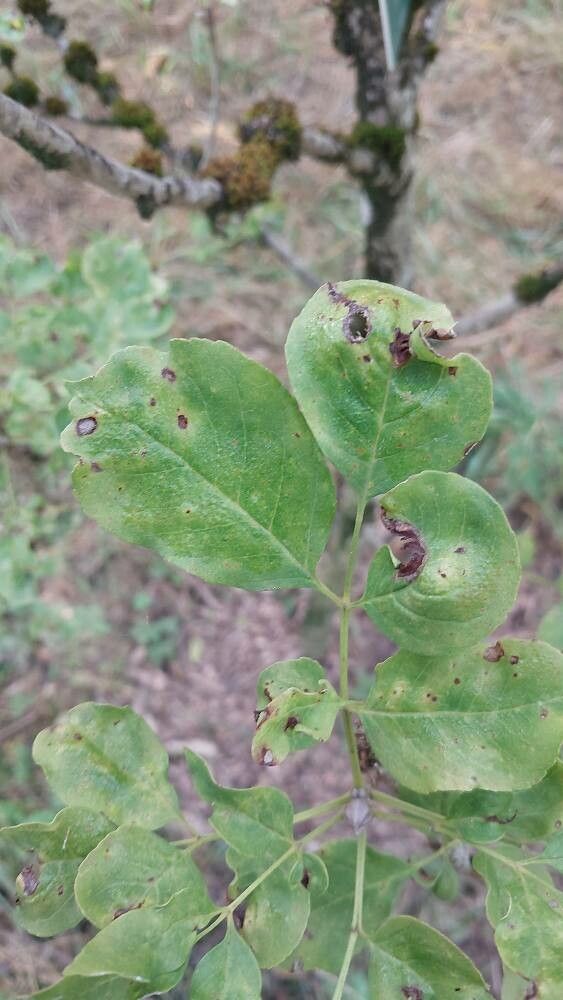
Oh, hello there! It’s so lovely to have you join me for a chat about one of my favorite trees: the Manchurian Ash, or Fraxinus mandshurica. If you’re anything like me, you appreciate a tree that offers both stately beauty and a bit of a challenge in the garden. This magnificent specimen, with its elegant form and attractive foliage, is a real statement piece. And let me tell you, coaxing your own little ash from a cutting or a seed is a deeply satisfying endeavor. Now, being upfront, propagating Manchurian Ash isn’t quite as straightforward as a hydrange a, but with a little patience and the right approach, you can absolutely achieve success. It’s a journey that’s definitely rewarding for the home gardener willing to learn.
When the Magic Happens: The Best Time to Start
For Manchurian Ash, timing is everything. I’ve found my greatest success with stem cuttings taking them in late spring to early summer. This is when the new growth is still somewhat pliable, but has hardened off just enough to hold its shape. You’re looking for wood that bends without snapping, but isn’t so woody that it’s completely rigid. If you’re thinking about seeds, the best time to collect them is in the fall, after they’ve matured and started to dry on the tree.
Your Propagation Toolkit: What You’ll Need
Gathering your supplies before you begin is half the battle! Here’s what I always have on hand:
- Sharp, sterile pruning shears or a clean knife: For making precise cuts without damaging the plant.
- Rooting hormone powder or gel: This significantly increases your chances of root development. I have my favorite brands, but any good quality one will do.
- Well-draining potting mix: A blend of peat moss, perlite, and coarse sand works wonders. You want good aeration.
- Small pots or seed trays: With drainage holes, of course!
- Plastic bags or a propagator: To create a humid environment for your cuttings.
- Watering can with a fine rose or spray bottle: For gentle watering.
- Labels and a marker: Trust me, you’ll thank me later for labeling everything!
- Optional: Bottom heat mat: This can really give your cuttings a boost.
Bringing Your Ash to Life: Propagation Methods
Let’s dive into how we’ll get those new Manchurian Ashes started.
Stem Cuttings: The Most Common Route
This is generally the most accessible method for home gardeners.
- Select Your Cuttings: In late spring or early summer, choose healthy, vigorous branches from your Manchurian Ash. Look for semi-hardwood cuttings, about 6-8 inches long. The base of the cutting should be from the current year’s growth, while the tip might be a little more mature.
- Prepare Your Cuttings: Using your sharp shears, make a clean cut just below a leaf node (where a leaf attaches to the stem). Remove the leaves from the bottom half of the cutting. You can leave one or two leaves at the very top, but trim them in half to reduce water loss.
- Dip in Rooting Hormone: Gently dip the cut end of each cutting into your rooting hormone, tapping off any excess.
- Plant Your Cuttings: Fill your pots with your well-draining mix. Make a pilot hole with your finger or a pencil, and carefully insert the cut end of the cutting into the medium. Firm the soil gently around it.
- Create a Humid Environment: Water the potting mix thoroughly but gently. Cover the pots with a clear plastic bag, being careful that the bag doesn’t touch the leaves of the cuttings. Alternatively, place them in a propagator. This is crucial for preventing the cuttings from drying out.
- Place and Wait: Find a warm, well-lit spot for your cuttings, but avoid direct, intense sunlight. This can scorch them. If you have a bottom heat mat, place your pots on it.
Seed Propagation: A Patience Test!
If you’re feeling adventurous and have collected seeds in the fall, this is for you.
- Collect and Clean: Gather ripened seeds from your Manchurian Ash trees in the fall. Remove any remaining fruit or debris.
- Stratification is Key: Ash seeds often require a period of cold, moist stratification to break dormancy. Mix the seeds with a moist medium like peat moss or sand in a resealable plastic bag.
- Cold Treatment: Store the bag in your refrigerator for 3-4 months. Check periodically to ensure the medium stays moist.
- Sowing: After stratification, sow the seeds in pots filled with your well-draining seed starting mix. You can sow them about ½ inch deep.
- Warmth and Light: Place the pots in a warm location with bright, indirect light. Keep the soil consistently moist. Germination can be erratic, so don’t be discouraged if it takes a while!
The “Secret Sauce”: My Insider Tips
Over the years, I’ve learned a few tricks that really make a difference.
- Don’t Let the Leaves Touch the Water: If you’re doing water propagation (which is less common for Manchurian Ash but can be done with very select, small cuttings that have been properly prepped), it’s vital to ensure that no leaves are submerged. Rot sets in incredibly quickly if they are. I always remove lower leaves.
- Bottom Heat is a Game Changer: Seriously, if you can swing it, a gentle bottom heat mat makes all the difference for cuttings. It mimics the warmth of root zones and encourages those roots to form much faster and more reliably. You’ll see results weeks sooner!
- Air Circulation is Crucial (Once Rooted): While you want humidity for rooting, as soon as you see signs of roots, you need to gradually introduce more air. If you’ve used a plastic bag, start opening it for longer periods each day. This prevents fungal issues from taking hold.
Nurturing Your New Growth: Aftercare & Troubleshooting
Once you start seeing small roots emerging from the drainage holes or new growth on your cuttings, it’s time to celebrate!
- Gradual Acclimatization: Slowly reduce the humidity by opening up the propagator or plastic bag more each day over a week or two.
- Gentle Watering: Continue to keep the potting mix consistently moist, but not waterlogged. Water when the top inch of soil feels dry.
- Transplanting: Once your new plant has a good root system and is strong enough to handle, you can gently transplant it into a slightly larger pot or its permanent garden location. Acclimatize it to outdoor conditions before planting permanently.
Now, what if things don’t go as planned?
- Rotting Cuttings: This is the most common pitfall. It’s usually due to overwatering, poor drainage, or lack of air circulation. If you see mushy, black stems, unfortunately, that cutting is likely lost. Prevent it by using that well-draining mix and avoiding soggy conditions.
- No Root Development: Be patient! Some cuttings take several weeks, even months, to show signs of rooting. If the stem is still firm and green, give it more time. I’ve had cuttings surprise me after I’d almost given up on them.
Your Green Adventure Awaits
Propagating Manchurian Ash is a beautiful way to connect with nature and expand your garden. It takes observation, a gentle touch, and a healthy dose of patience. Don’t be discouraged if your first attempts aren’t perfect – every gardener has faced a few wilting casualties along the way! Enjoy the process, learn from each step, and soon you’ll have your very own little ash trees to admire and cherish. Happy planting!
Resource:
https://identify.plantnet.org/k-world-flora/species/Fraxinus%20mandshurica%20Rupr./data