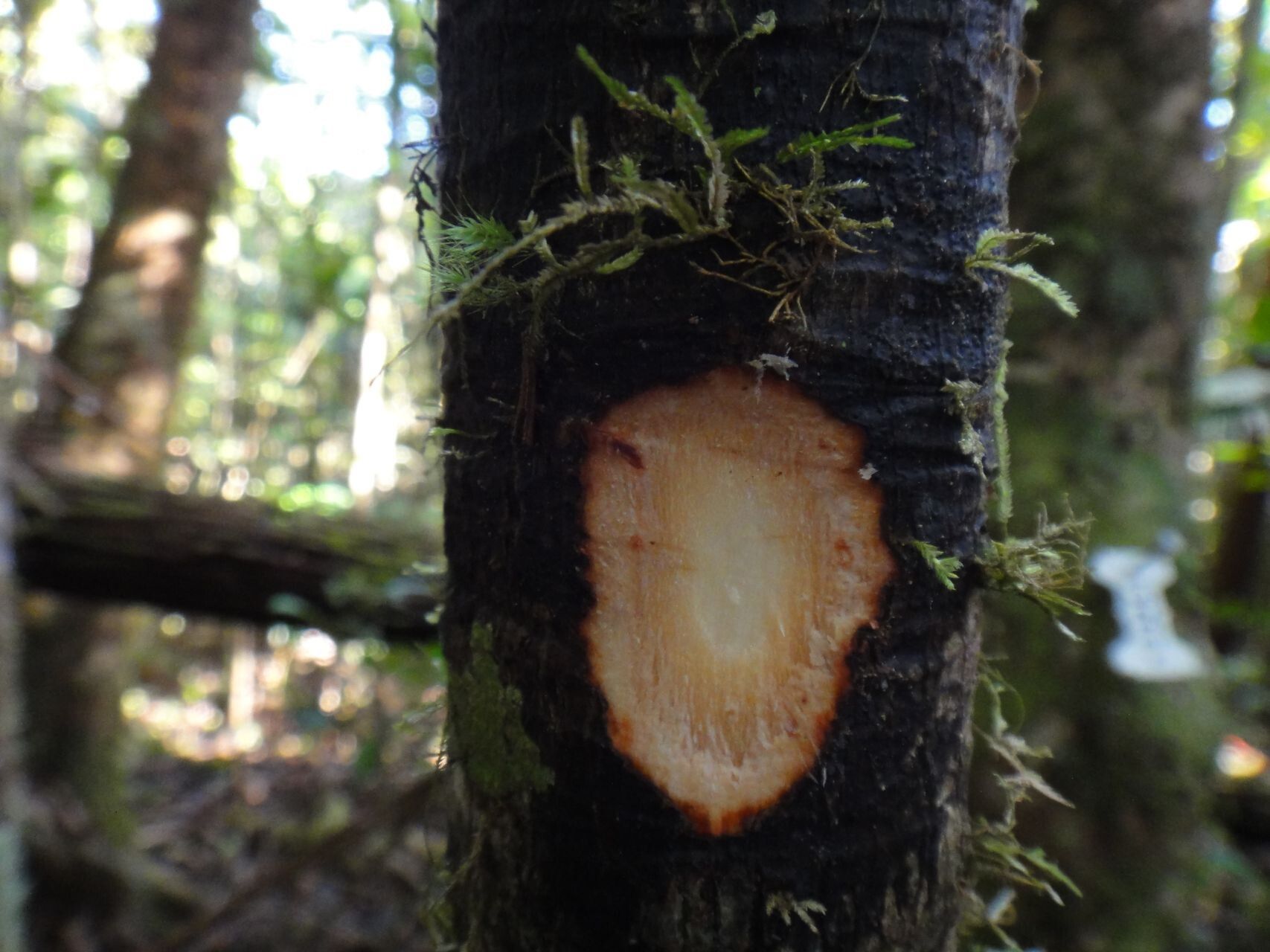
Oh, hello there! Grab your favorite mug, and let’s chat about something truly special: propagating the magnificent Sloanea magnifolia. I’ve spent years admiring its glossy, oversized leaves and the subtle elegance it brings to any space. There’s a unique satisfaction in taking a piece of a beloved plant and nurturing it into its own life. So, if you’ve ever admired a Sloanea magnifolia and thought, “I wish I had more!”, you’re in the right place. Now, about the challenge level – I’d say for the absolute beginner, Sloanea magnifolia can be a tad bit on the finicky side. But with a little guidance, a dash of patience, and this guide, I truly believe you can succeed. Let’s get our hands dirty!
The Best Time to Start
Timing is everything in the garden, and for Sloanea magnifolia, the sweet spot is late spring to early summer. This is when the plant is in a vigorous growth phase, meaning it has plenty of energy to dedicate to rooting. You’ll want to look for healthy, new growth that has started to firm up a bit, but is still somewhat pliable. Think of it as that perfect stage between a brand-new, floppy shoot and an old, woody stem.
Supplies You’ll Need
Gathering your tools beforehand just makes the whole process smoother. Here’s what I always have on hand:
- Sharp, clean pruning shears or a sharp knife: Essential for making clean cuts.
- Rooting hormone (optional, but recommended for a boost): Look for one specifically for stem cuttings.
- Small pots or trays: With drainage holes, of course! I often use 4-inch pots.
- Well-draining potting mix: A good blend of peat moss, perlite, and a bit of Coir works wonders. You can also buy pre-made “seed starting” or “cuttings” mix.
- Plastic bags or a propagator lid: To create a humid environment around your cuttings.
- Watering can or spray bottle: For gentle watering.
- Label stakes and a marker: Because trust me, you will forget what you planted where!
Propagation Methods: Let’s Get Growing!
The most reliable way to propagate Sloanea magnifolia that I’ve found is through stem cuttings. It’s straightforward and yields great results with a bit of care.
-
Take Your Cuttings: Using your sharp shears, select a healthy stem from your Sloanea magnifolia that has at least two or three sets of leaves. Make a clean cut just below a leaf node (that’s where a leaf sprouts from the stem). Aim for cuttings that are about 4-6 inches long. Remove the lower leaves, leaving just a couple of sets at the top.
-
Prepare the Cutting: If you’re using rooting hormone, dip the cut end of the stem into the powder, tapping off any excess. This gives your cutting a little head start in the rooting process.
-
Plant Your Cuttings: Fill your clean pots with your moistened potting mix. Make a small hole in the center of the soil with your finger or a pencil. Gently insert the cut end of the Sloanea magnifolia cutting into the hole, ensuring it’s firm enough to stand on its own. Firm the soil gently around the base of the cutting.
-
Create a Humid Environment: This is crucial! Lightly water the soil until it’s evenly moist but not soggy. Then, cover the pot with a clear plastic bag, securing it around the rim with a rubber band or twist tie. If you have a propagator lid, that works beautifully too. This traps moisture and keeps the humidity high, which is what your cutting desperately needs to root.
-
Place in a Bright Spot: Find a warm location with bright, indirect light. Avoid direct sunlight, as this can scorch the delicate cuttings and dry them out too quickly.
The “Secret Sauce” (Pro Tips)
After years of trial and error, I’ve picked up a few tricks that seem to make all the difference.
- Don’t let the leaves touch the water. If you’re doing water propagation (which is less common but possible), make sure no leaves are submerged. Leaves in water tend to rot, which will kill your cutting before it even has a chance to form roots. Same applies to the soil – avoid burying leaves.
- Bottom heat is your friend. If you have a heating mat designed for plant propagation, placing your pots on it can significantly speed up the rooting process. It mimics the warmth of spring soil and gives those roots a gentle nudge.
- Patience with pruning. When you’re taking cuttings, don’t be afraid to prune back the parent plant a little. This encourages branching and bushier growth on the mother plant, while also giving you plenty of material to work with for propagation.
Aftercare & Troubleshooting
Once you start seeing new leaf growth or feel a gentle resistance when you wiggle the cutting, it’s a good sign that roots are forming! Gradually acclimate your new plant to normal room humidity by opening the plastic bag a little each day over a week or so. Once it’s looking robust, you can move it to its own pot if it was in a shared tray.
Now, let’s talk about what can go wrong. Rot is the nemesis of any propagation attempt. If your cutting turns mushy, dark, or just looks plain sad, it’s likely succumbed to rot. This usually happens from too much moisture and not enough airflow. If you see a little bit of mold on the soil surface, that’s a warning sign. Ensure your soil is draining well and that you aren’t overwatering. Sometimes, a cutting just doesn’t take – and that’s okay! It happens to the best of us. Don’t get discouraged; just clean up and try again.
Happy Growing!
Propagating Sloanea magnifolia might take a little finesse, but the reward of nurturing a new plant from a small piece is immense. Be patient with yourself and with your cuttings. Watch for those signs of life, and celebrate each little victory. Happy gardening, and I can’t wait to hear about your success stories!
Resource:
https://identify.plantnet.org/k-world-flora/species/Sloanea%20magnifolia%20Tirel/data