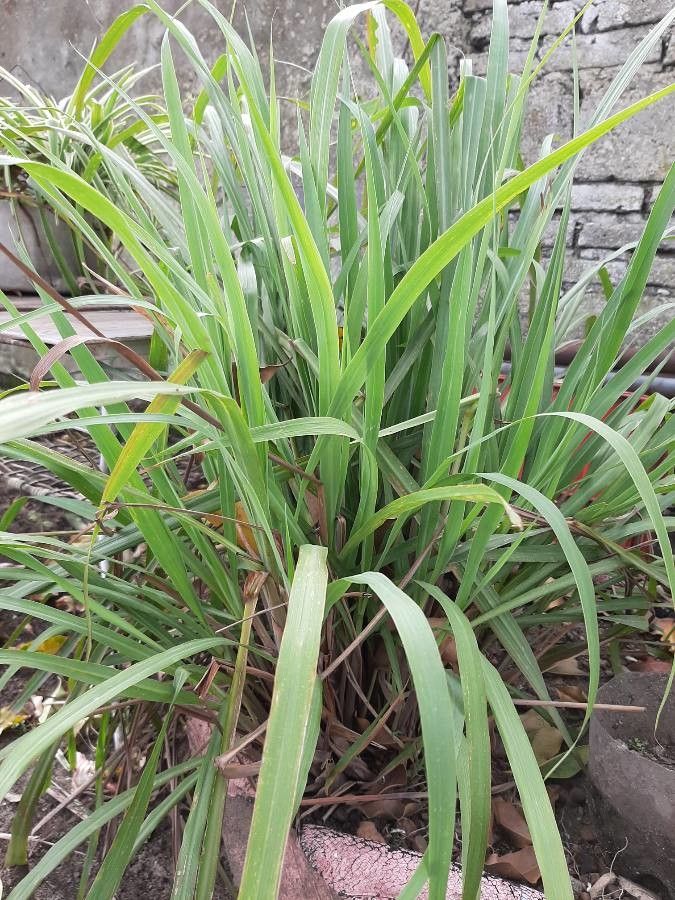
Oh, hello there, fellow plant lover! Pull up a chair and let’s chat about a gorgeous grass that’s been gracing my garden for years: Cymbopogon ambiguus, or what many of us affectionately call Lemon Scented Irony Grass. If you’re looking for a plant that brings a wonderful burst of citrusy fragrance to your garden and smells divine just brushing past its blades, this is it. Plus, it makes for fantastic teas and is a beautiful addition to arrangements. Happily, for us home gardeners, propagating Cymbopogon ambiguus is wonderfully rewarding, and I’d say it’s quite accessible for beginners. You don’t need a whole lot of fancy equipment, just a little patience and a willingness to get your hands in the soil.
When to Get Your Hands Dirty: The Best Time to Start
For Cymbopogon ambiguus, the sweet spot for propagation is definitely late spring or early summer. This is when the plant is in its most vigorous growth phase. Think sunshine, warmth, and plenty of energy to put into developing new roots. Starting during this period significantly increases your chances of success because the plant is already primed for growth. Trying to propagate when it’s dormant or stressed just won’t yield the same fantastic results.
Gathering Your Tools: What You’ll Need
Here’s a quick rundown of what you’ll want to have on hand before you begin:
- Sharp Pruning Shears or a Clean Knife: For making clean cuts.
- Well-Draining Potting Mix: A mix specifically for succulents or cacti works beautifully, or a blend of equal parts potting soil, perlite, and coarse sand.
- Small Pots or Seed Trays: Clean containers with drainage holes are essential.
- Rooting Hormone (Optional but Recommended): A powder or gel can give your cuttings a helpful boost.
- Watering Can or Spray Bottle: For gentle watering.
- Labels and a Marker: To keep track of your precious new plants!
Bringing New Life: Propagation Methods
Cymbopogon ambiguus is wonderfully versatile, and I find division to be the most straightforward and successful method, especially for beginners.
Method: Division
This is like giving your established plant a much-needed haircut and rejuvenation, and you end up with more plants!
- Assess Your Plant: Look at your mature Cymbopogon ambiguus. You’ll see one big clump with many shoots coming from the base.
- Gently Excavate: Water your plant thoroughly a day or two before you plan to divide it. This helps minimize transplant shock. Carefully dig up the entire plant or a section of it. A garden fork can be helpful here.
- Separate the Roots: This is where the magic happens. You want to gently tease apart the root ball. You can usually do this by hand. Look for natural breaks between the larger sections. If a section is particularly stubborn, you can use your clean pruning shears or knife to make a cut, ensuring each division has a healthy portion of roots and several shoots.
- Potting Up: Pot each division into its own container filled with your well-draining potting mix. Make sure the crown of the plant (where the shoots emerge from the roots) is at soil level.
- Water and Wait: Water your newly potted divisions gently. Place them in a bright spot, but avoid direct, harsh sunlight for the first week or two, as they’ll be a bit stressed.
The “Secret Sauce”: My Insider Tips
After years of working with these beautiful grasses, I’ve picked up a few tricks that seem to make all the difference:
- Don’t Drown Your Roots: When you’re watering, especially if you’ve just potted up divisions, be careful not to overdo it. The goal is moist, not soggy. If the potting mix stays waterlogged, rot can set in very quickly. Let the top inch of soil dry out between waterings.
- Embrace the Warmth (from Below): While direct sun isn’t ideal for new cuttings, they love a bit of warmth coming from under their pots. If you have a heated propagator, fantastic! If not, a sunny windowsill that gets morning sun and isn’t fiercely hot in the afternoon is perfect. You can also place the pots on a warm, flat surface out of direct light.
- Patience is a Virtue (Especially with Grasses): Sometimes, you won’t see much happening above ground for a few weeks. Don’t be discouraged! The plant is busy establishing a strong root system unseen beneath the soil. Resist the urge to keep digging them up to check for roots. Trust the process!
Keeping Them Happy: Aftercare & Troubleshooting
Once your divisions start to show new shoots and vigorous growth, you know they’ve successfully rooted. Gradually introduce them to more sunlight. Continue to water as needed, checking the soil moisture regularly.
The most common issue you might encounter is root rot. This usually happens due to overwatering or poor drainage. If the leaves start to yellow and wilt, and the soil feels perpetually wet, it’s a sign. Unfortunately, if the rot is extensive, it can be hard to save the plant. However, if you catch it early, you can try gently removing the plant from its pot, trimming away any mushy, dark roots with your clean shears, and repotting in fresh, dry, well-draining soil.
Cheers to New Beginnings!
Propagating Cymbopogon ambiguus is such a satisfying way to multiply the lovely fragrance and beauty in your garden. Don’t fret if your first attempt isn’t perfect; gardening is all about learning and observing. Just keep experimenting, enjoy the process of nurturing these new beginnings, and soon you’ll have even more of that wonderful citrusy scent wafting through your space! Happy gardening!
Resource:
https://identify.plantnet.org/k-world-flora/species/Cymbopogon%20ambiguus%20(Hack.)%20A.Camus/data