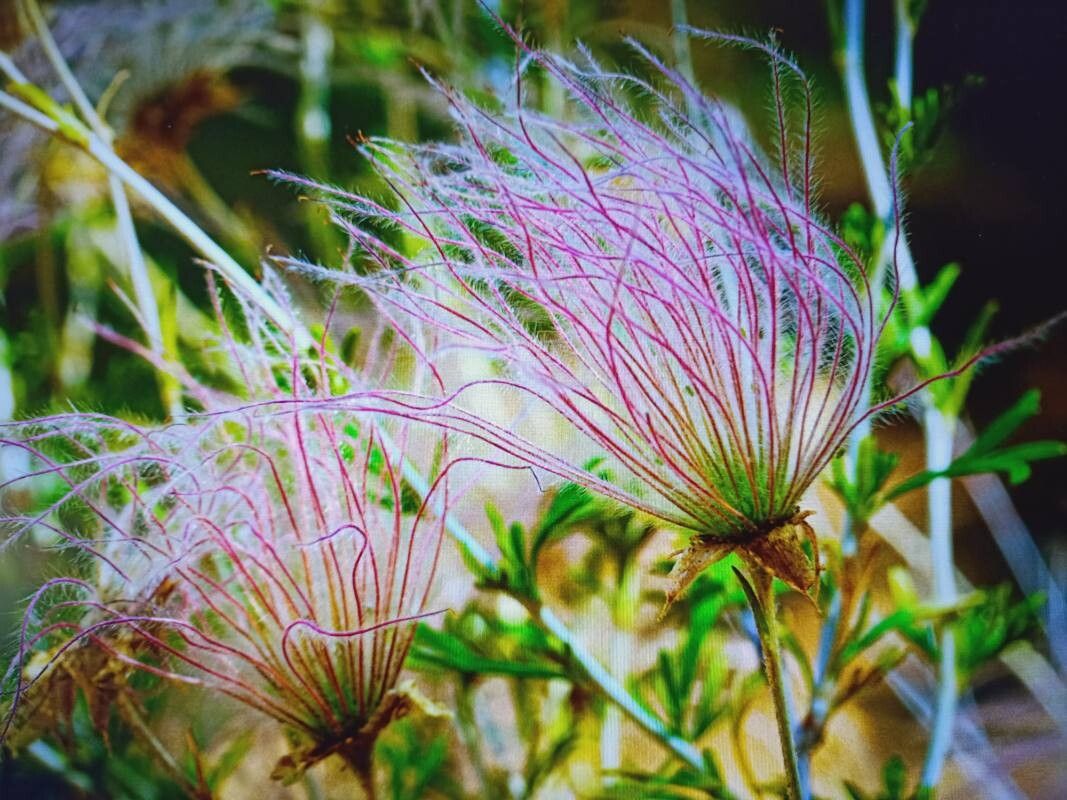
Hey there, fellow garden enthusiasts! Today, we’re going to talk about a truly enchanting native plant that deserves a spot in more gardens: Fallugia paradoxa, or Apache Plume. If you haven’t encountered it yet, imagine delicate, fern-like foliage and the most charming feathery seed heads that dance in the breeze, lasting well into winter. They add such a unique texture and ethereal quality to the landscape. Propagating Apache Plume is a wonderful way to share its beauty or expand your own collection without breaking the bank. Don’t worry, it’s not an overly difficult plant once you understand its quirks, and I’m here to guide you every step of the way.
The Best Time to Start
For the highest chance of success with your Fallugia paradoxa propagation, I find that the late spring to early summer is simply unbeatable. This is when the plant is actively growing and has plenty of energy to put into developing new roots. Aim to gather your material when the stems are new and still a bit flexible, but have started to firm up slightly. You’re looking for what we call “semi-hardwood” cuttings – not brand new, floppy growth, but not tough, woody stems either.
Supplies You’ll Need
Gathering your tools beforehand makes the whole process so much smoother. Here’s what I always have on hand:
- Sharp Pruning Shears or a Craft Knife: For clean cuts.
- Rooting Hormone Powder or Gel: This isn’t strictly mandatory for all plants, but it significantly boosts success rates with woody cuttings like these. I highly recommend it.
- A Well-Draining Potting Mix: I prefer a blend of 50% perlite and 50% sterile seed-starting mix. You can also use a commercial mix formulated for cacti and succulents.
- Small Pots or a Propagator Tray: Clean containers are key to preventing disease.
- Plastic Bags or a Propagator Lid: To create humidity.
- Watering Can with a Fine Rose: For gentle watering.
- Labels and a Permanent Marker: To keep track of what you’ve planted!
Propagation Methods: Stem Cuttings are Your Friend!
While you might be tempted by other methods, stem cuttings are generally the most reliable and accessible way to propagate Fallugia paradoxa. Division can be tricky as their root systems can be a bit sensitive. Let’s focus on cuttings:
- Select Your Cuttings: Head out in late spring or early summer. Look for healthy, vigorous stems. You want pieces that are about 4-6 inches long.
- Make the Cut: Using your sharp shears or knife, make a clean cut just below a leaf node. A leaf node is that little bump on the stem where leaves emerge; it’s where roots are most likely to form.
- Prepare the Cutting: Gently remove the leaves from the bottom half of the cutting. You want to strip away any leaves that would end up below the soil line, as these will just rot. Leave 2-4 sets of leaves at the top. If those top leaves are very large, you can even nip them in half to reduce water loss.
- Apply Rooting Hormone: Dip the cut end of the stem into your rooting hormone powder or gel. Tap off any excess.
- Pot Them Up: Fill your clean pots or propagator tray with your well-draining mix. Make a small hole in the center of the soil with a pencil or your finger.
- Insert the Cutting: Gently place the hormone-coated end of the cutting into the hole, and then firm the soil gently around the stem to ensure good contact.
- Water Gently: Water thoroughly but gently. You want the soil to be moist but not waterlogged.
- Create Humidity: This is crucial! Cover the pot or tray with a clear plastic bag, creating a mini-greenhouse effect. You can also use a propagator lid. Make sure the leaves do not touch the plastic, or they’ll be prone to rot. You might need to prop up the bag with skewers or small sticks.
- Place in Bright, Indirect Light: Find a spot that gets bright light but no direct, harsh sun. A north- or east-facing window is often perfect.
The “Secret Sauce” (Pro Tips)
Here are a few tricks I’ve learned over the years that really make a difference:
- Bottom Heat is a Game-Changer: If you can, place your pots on a seedling heating mat. This warmth from below encourages root development significantly faster and makes cuttings far more inclined to root.
- Don’t Drench, Misten: Instead of watering heavily into the soil repeatedly, I like to mist the cuttings and the inside of the plastic cover every day or two. This keeps humidity high without waterlogging the soil and potentially causing rot.
- Air Them Out: For the first week, I’ll lift the plastic bag for a few minutes each day to allow for some air circulation. This helps prevent fungal issues. After a week or two, you can start airing them out for longer periods.
Aftercare & Troubleshooting
Once your Fallugia paradoxa cuttings have developed a good root system – you’ll know this when you see new growth emerging or feel a gentle resistance when you try to pull lightly on the stem – it’s time for them to acclimate.
- Gradual Acclimation: Slowly begin to lower the humidity. This means gradually opening up the plastic bag or lid for longer periods each day over a week or so.
- Light Watering: Continue to keep the soil consistently moist but not soggy. Water when the surface of the soil starts to feel dry.
- Transplanting: Once they are well-rooted and have acclimated, you can transplant them into individual pots filled with a more standard potting mix.
- Troubleshooting: The biggest enemy here is rot. If you see stems turning black and mushy at the soil line, it’s usually a sign of too much moisture and not enough air circulation. If you see yellowing leaves on otherwise healthy-looking cuttings, they might be getting too much direct sunlight. Don’t be discouraged if a few don’t make it; it’s part of the learning process!
Keep the Green Growing!
Propagating plants is such a rewarding journey. It’s about patience, observation, and a little bit of horticultural magic. Don’t rush the process, enjoy the anticipation, and celebrate each tiny new leaf that signals success. You’ve got this! Happy gardening!
Resource: