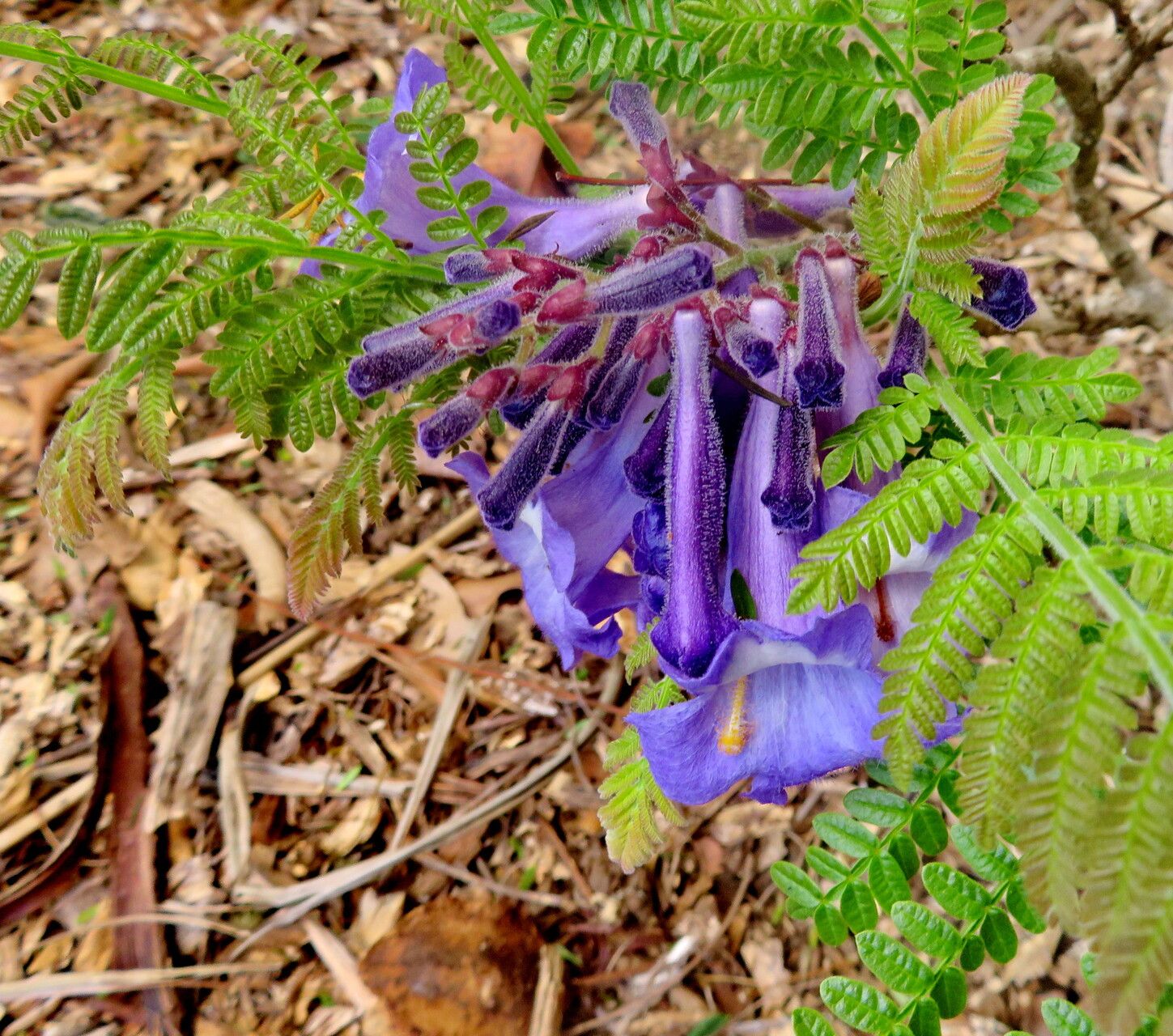
Oh, the Jacaranda! That burst of lavender-blue is just pure magic, isn’t it? I’ve been nurturing Jacaranda trees for two decades now, and there’s something incredibly satisfying about coaxing a new life from a beloved parent plant. While propagation can sometimes feel a bit daunting, I’m here to walk you through it. My goal is for you to feel confident, a little excited, and ready to get your hands dirty!
The Best Time to Start
For Jacaranda decurrens, the sweet spot for propagation is really during the active growing season. Think late spring through summer. This is when the plant has plenty of energy to put into new growth and root development. Trying to propagate when the plant is dormant is like asking a sleepy bear to run a marathon – it’s just not going to be as successful. Look for healthy, yet not overly woody, stems that bend slightly when pinched.
Supplies You’ll Need
Gathering your supplies beforehand makes the whole process much smoother. Here’s what I always have on hand:
- Sharp Pruning Shears or a Craft Knife: Clean cuts are crucial.
- Small Pots or Seed Trays: Nothing too large.
- Well-Draining Potting Mix: I usually use a blend of perlite and peat moss, or a good quality seed-starting mix.
- Rooting Hormone (Optional but Recommended): This really gives cuttings a boost.
- Plastic Bags or a Clear Propagator: To create a humid microclimate.
- Watering Can with a Fine Rose: For gentle watering.
- Labeling Stakes and a Marker: Don’t forget to label what you’ve propagated!
Propagation Methods
There are a few ways to go about this, but for Jacaranda decurrens, stem cuttings are my go-to method. It’s reliable and, frankly, quite gratifying when you see those first roots emerge.
- Take Your Cuttings: In late spring or early summer, select healthy, non-flowering stems from your Jacaranda. Using your sharp pruning shears, take cuttings that are about 4-6 inches long. Make your cut just below a leaf node (where a leaf attaches to the stem).
- Prepare the Cuttings: Gently remove the lower leaves from the cutting, leaving just a few at the top. This prevents them from rotting in the soil.
- Apply Rooting Hormone (If Using): Dip the cut end of the stem into your rooting hormone powder. Tap off any excess. This step is particularly helpful for woody plants like Jacaranda.
- Plant Your Cuttings: Fill your small pots or trays with your well-draining potting mix. Moisten the mix lightly. Make a small hole in the center of each pot with your finger or a pencil. Insert the cut end of the stem cutting into the hole, ensuring the lowest leaf node is buried. Gently firm the soil around the cutting.
- Create a Humid Environment: Water the soil gently. Then, cover the pot with a clear plastic bag or place it in a propagator. This creates a greenhouse effect, keeping the humidity high, which is vital for cuttings to root. Ensure the plastic doesn’t touch the leaves of the cutting if possible.
The “Secret Sauce” (Pro Tips)
Now, for a couple of little tricks I’ve learned over the years that can make a world of difference:
- Don’t Let the Leaves Touch the Water (If Water Propagating): While I prefer soil cuttings for Jacaranda, if you happen to try water propagation with a leaf, make sure the leaf itself isn’t submerged. Only the stem needs to contact the water. Submerged leaves will rot, and that’s not what we want!
- Bottom Heat is Your Friend: If you have space, placing your pots on a heat mat can significantly speed up the rooting process. It mimics the warmth of spring soil and encourages those roots to get going. It’s not strictly necessary, but it’s a real game-changer.
Aftercare & Troubleshooting
Once your cuttings have rooted (this can take anywhere from 4-8 weeks, sometimes longer), it’s time to treat them like the little VIPs they are. Gradually acclimate them to normal humidity by opening the plastic bag a little each day over a week before removing it entirely. Keep them in a bright spot, but out of direct, harsh sunlight. Water them when the top inch of soil feels dry.
The most common issue you might encounter is rot. If you see your cuttings turning mushy or black, it’s usually a sign of too much moisture and not enough air circulation. Unfortunately, once rot sets in, it’s often too late. Prevention is key here: good drainage and not overwatering are your best defense.
A Little Patience Goes A Long Way
Propagating Jacaranda decurrens is a rewarding journey. It requires a bit of patience, a gentle touch, and a willingness to learn. Don’t get discouraged if not every cutting takes. Each attempt is a learning experience, and soon enough, you’ll be admiring your own beautiful Jacaranda saplings. Happy gardening!
Resource:
https://identify.plantnet.org/k-world-flora/species/Jacaranda%20decurrens%20Cham./data