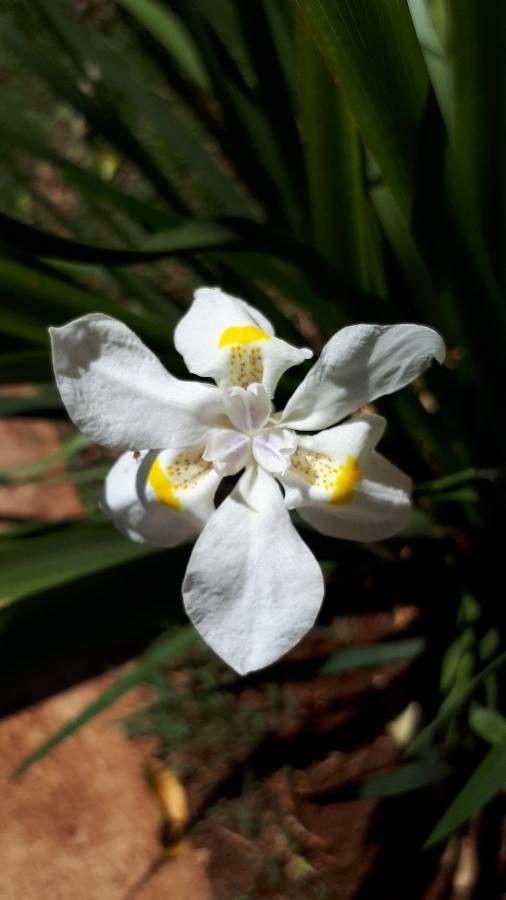
Oh, hello there! So, you’ve fallen in love with the graceful beauty of Dietes butcheriana, haven’t you? I can hardly blame you. Those elegant, iris-like white flowers with their soft yellow and purple markings are just simply divine, especially when they appear in flushes throughout the warmer months. And the best part? They bring such a lovely structure and a touch of class to any garden.
Many of my readers ask if Dietes are good for beginners to propagate. Honestly, I find them to be quite forgiving! If you’re looking to expand your collection or share these beauties with friends, you’ll be happy to know propagation is absolutely doable. It’s incredibly rewarding to watch a tiny cutting or a divided clump grow into a thriving plant.
The Best Time to Start
For Dietes butcheriana, I’ve found the sweetest spot for propagation is during its active growing season. Think spring and early summer. This is when the plant has plenty of energy stored to fuel new root development. Starting when the weather is consistently warm but not oppressively hot gives your new propagations the best chance to establish themselves before the cooler weather arrives.
Supplies You’ll Need
Gathering your tools beforehand makes the whole process much smoother. Here’s what I keep on hand:
- Sharp Pruning Shears or a Clean Knife: For making clean cuts. Sterilize them with rubbing alcohol!
- Well-Draining Potting Mix: A good blend for succulents or cacti is often perfect, or you can make your own with equal parts peat moss, perlite, and sand.
- Small Pots or Trays: Whatever you have that can hold your new beginnings. Ensure they have drainage holes.
- Rooting Hormone (Optional but Recommended): This gives cuttings a little boost. I prefer the powdered kind.
- Watering Can or Spray Bottle: For gentle watering.
- Labels: To mark what you’ve planted and when!
- Mulch or Gravel (for divisions): A thin layer can help retain moisture around the base.
Propagation Methods
Dietes butcheriana can be propagated in a couple of ways, and both are pretty straightforward:
1. Division: The Gardeners’ Favorite
This is my go-to method for Dietes. It’s like giving your established plant a haircut and getting new plants in return!
- Step 1: Digging Up. Gently dig around the base of your mature Dietes plant using a spade or garden fork. You want to lift the entire clump, roots and all. If it’s a really big clump, you might need a bit of effort or even a garden fork to help loosen it.
- Step 2: Separating the Clumps. Once the plant is out of the ground, gently shake off some of the excess soil. You’ll see that the plant naturally grows in clumps. You can often carefully pull these clumps apart with your hands. If the roots are very tangled, you might need to use a clean, sharp knife or even your spade to cut through them. Aim for clumps that have a good amount of roots and at least a few healthy leaves.
- Step 3: Replanting. Immediately replant your divisions. Dig a hole in your desired spot or a pot, ensuring it’s big enough for the root ball. Plant the division so the crown (where the leaves meet the roots) is at the soil surface. Water them in well.
2. Stem Cuttings: A Little More Patience
While less common for Dietes, you can try stem cuttings, especially if you have a healthy, vigorous plant.
- Step 1: Take Your Cuttings. Look for healthy, non-flowering stems that are about 4-6 inches long. Using your sterilized shears, make a clean cut just below a leaf node (where a leaf attaches to the stem).
- Step 2: Prepare the Cutting. Remove the lower leaves from the cutting, leaving just a few at the top. If you’re using rooting hormone, dip the cut end into it, tapping off any excess.
- Step 3: Plant Your Cuttings. Fill your small pots or trays with your well-draining potting mix. Make a small hole with your finger or a pencil and insert the cut end of the stem. Gently firm the soil around it.
- Step 4: Water Gently. Water the soil lightly, or mist the leaves with a spray bottle.
The “Secret Sauce” (Pro Tips)
Here are a few little tricks I’ve picked up over the years that can really help boost your success:
- When dividing, don’t be afraid to give it a good tug. Sometimes, the roots are quite tough, but they’ll usually yield with a firm pull and a bit of wiggling. Just be gentle enough not to shred all the delicate feeder roots.
- For stem cuttings, I like to “harden them off” a bit. This means letting the cut end callous over for a day or two before planting. It can help prevent rot. Just place them in a dry, shaded spot indoors.
- Bottom heat can be a game-changer for cuttings. If you have a seedling heat mat, popping your pots on it can significantly speed up root formation. It mimics the warmth of spring soil.
Aftercare & Troubleshooting
Once your divisions are replanted or your cuttings are in their pots, the crucial part begins.
- Watering: Keep the soil consistently moist but not waterlogged. For divisions, regular watering will help them establish. For cuttings, a light misting or gentle watering is usually best. Stick your finger into the soil; if the top inch feels dry, it’s time to water.
- Light: Place your new plants in a spot with bright, indirect light. Avoid harsh, direct sun, which can scorch tender new growth.
- Roots: You’ll know your cutting has rooted when you gently tug on it and feel resistance, or when you see new leaf growth. For divisions, you’ll see new shoots appearing from the base. This can take anywhere from a few weeks to a couple of months, so patience is key!
The most common sign of trouble is rot. If your stem cuttings turn black and mushy, or if your divided plants look limp and discolored despite being watered, it’s usually a sign of too much moisture and poor drainage. If you catch it early, you might be able to save a cutting by trimming away the rotten part and replanting in fresh, dry soil. Prevention is much easier than cure, though – so always ensure good drainage!
A Little Encouragement
Growing new plants from your favorites is such a rewarding journey. Don’t get discouraged if your first few attempts aren’t perfect. Gardening is all about learning and observing. Enjoy the process of nurturing your Dietes babies, and before you know it, you’ll have a whole garden full of these stunning blooms. Happy propagating!
Resource:
https://identify.plantnet.org/k-world-flora/species/Dietes%20butcheriana%20Gerstner/data