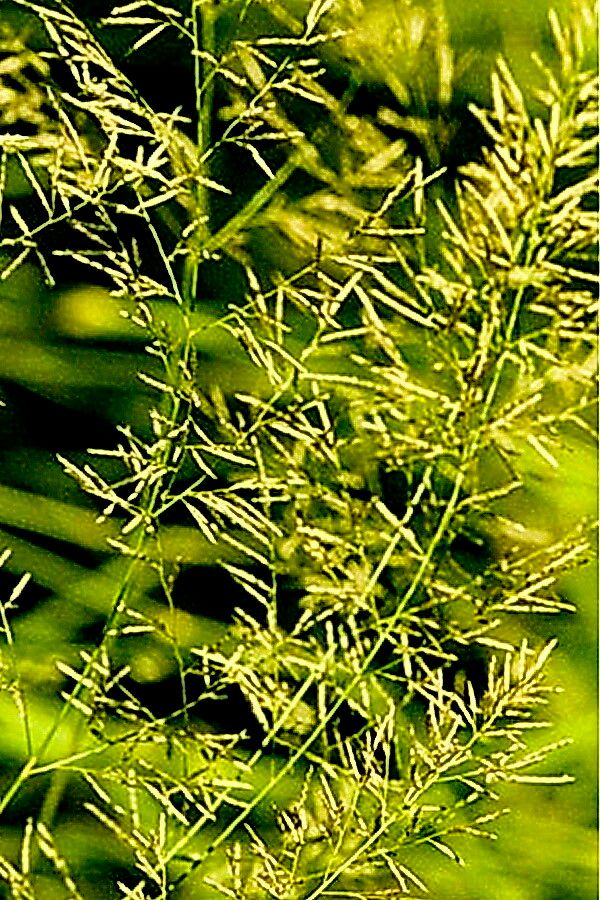
Hey there, fellow plant enthusiasts! I’m so excited to chat with you today about a grass that’s really captured my heart: Eragrostis lehmanniana, also known as Lehmann’s Lovegrass. If you’re looking for a beautiful, flowing ornamental grass that adds a whisper of movement and texture to your garden, this is it. Its fine, delicate seed heads catch the light like tiny dancers, and it’s surprisingly drought-tolerant once established. And the best part? Propagating it is a wonderfully rewarding experience. Don’t let the idea of propagating a grass intimidate you; Eragrostis lehmanniana is quite forgiving, even for folks just starting their propagation journey.
The Best Time to Start
When it comes to getting new Eragrostis lehmanniana plants going, I find that spring is your golden ticket. This is when the plant is bursting with energy after its winter rest. Starting your cuttings or divisions in early spring, just as new growth begins to emerge, means they have the whole growing season ahead of them to establish strong roots. You can also have good luck with divisions in the fall, after the heat of summer has passed but before the really cold weather sets in.
Supplies You’ll Need
Before we dive into the fun part, let’s make sure you have everything ready. A little preparation goes a long way!
- Sharp Pruning Shears or a Knife: Clean, sharp tools are essential for making neat cuts that heal well.
- Well-Draining Potting Mix: I like to use a mix of equal parts peat moss or coco coir, perlite, and coarse sand. For divisions, your regular garden soil (if it drains well) or a slightly amended potting mix will work.
- Small Pots or Trays: For cuttings, choose pots that are at least 3-4 inches deep.
- Rooting Hormone (Optional but Recommended): A powder or gel can significantly boost your success rate, especially with cuttings.
- Watering Can or Spray Bottle: Gentle watering is key to avoid disturbing delicate roots.
- Labels and a Marker: Trust me, you’ll thank yourself later!
Propagation Methods
Eragrostis lehmanniana is a champ when it comes to propagation, and I typically use two main methods: division and stem cuttings.
Division: The Easy Way
This is my go-to method for mature clumps. It’s like giving your plant a little haircut and a fresh start.
- Dig Carefully: In early spring, dig up your established Eragrostis lehmanniana clump. You want to get your shovel as far around the root ball as possible to minimize disturbance. Lift the entire plant out of the ground.
- Separate the Roots: Gently shake off some of the excess soil to expose the root system. You can usually pull the clump apart by hand into smaller sections. Each section should have plenty of roots and at least one healthy shoot. If it’s a bit stubborn, use your sharp knife or shears to cut through tough roots.
- Replant Immediately: Get your divisions into their new homes as soon as possible. Plant them at the same depth they were growing before. Water them in well, and give them consistent moisture for the first few weeks until they settle in.
Stem Cuttings: For the Patient Gardener
This method takes a bit more time but can yield many new plants.
- Take Cuttings: In spring or early summer, select healthy, non-flowering stems. Using your sharp shears, cut stems that are about 6-8 inches long. Make the cut just below a leaf node (where a leaf attaches to the stem).
- Prepare the Cuttings: Gently remove the lower leaves from the stem, leaving just a few at the top. This helps prevent rot when they’re in the soil. If you’re using rooting hormone, dip the cut end into the powder or gel.
- Plant Your Cuttings: Fill your small pots with your well-draining potting mix. Make a small hole with your finger or a pencil and insert the cutting, ensuring the leaf nodes are below the soil surface. Firm the soil gently around the base of the cutting.
- Create a Humid Environment: Water the cuttings gently. I like to place the pots in a clear plastic bag, creating a mini-greenhouse. Make sure the leaves don’t touch the sides of the bag, as this can encourage rot. Poking a few holes in the bag can help with air circulation.
The “Secret Sauce” (Pro Tips)
Here are a few little tricks I’ve learned over the years that can really make a difference:
- Bottom Heat is Your Friend: For stem cuttings, placing your pots on a heated propagation mat can be a game-changer. It encourages root development from the bottom up, speeding up the process significantly.
- Air Circulation is Key: While you want to create humidity for cuttings, don’t let them sit in stagnant air. Open the plastic bag daily for a few minutes to allow for fresh air exchange. This helps prevent fungal diseases.
- Patience with Seedlings: If you’re starting from seed (which is less common for propagating Eragrostis lehmanniana but possible), remember that grasses can be slow to germinate and grow. Don’t give up too soon!
Aftercare & Troubleshooting
Once your divisions are planted or your cuttings have started to show signs of new growth (look for tiny leaves emerging from the top), it’s time for a slightly different care routine.
For Divisions: Treat them like young plants. Water them regularly, especially during dry spells, until they are well-established. They’ll soon start to fill out and look like their former selves.
For Cuttings: Gradually acclimate them to the open air by opening the plastic bag more and more over a week or two. Once they are clearly rooting (you can gently tug on them – they’ll feel firm), transplant them into individual pots. Continue to water them conscientiously.
Troubleshooting: The most common issue you’ll encounter is rot. This usually happens when the soil stays too wet for too long, or if air circulation is poor. Signs of rot include a mushy stem base or the entire cutting turning black and wilting. If you see this, remove the affected cutting immediately to prevent it from spreading. Ensure your soil is always well-draining and that your pots have drainage holes.
Happy Planting!
Propagating Eragrostis lehmanniana is a truly satisfying way to expand your garden, share with friends, or simply enjoy the satisfaction of growing your own beautiful plants. Be patient with the process, observe your new charges, and don’t be afraid to experiment. With a little practice and these tips, you’ll be well on your way to a yard full of this delightful grass. Happy gardening!
Resource:
https://identify.plantnet.org/k-world-flora/species/Eragrostis%20lehmanniana%20Nees/data