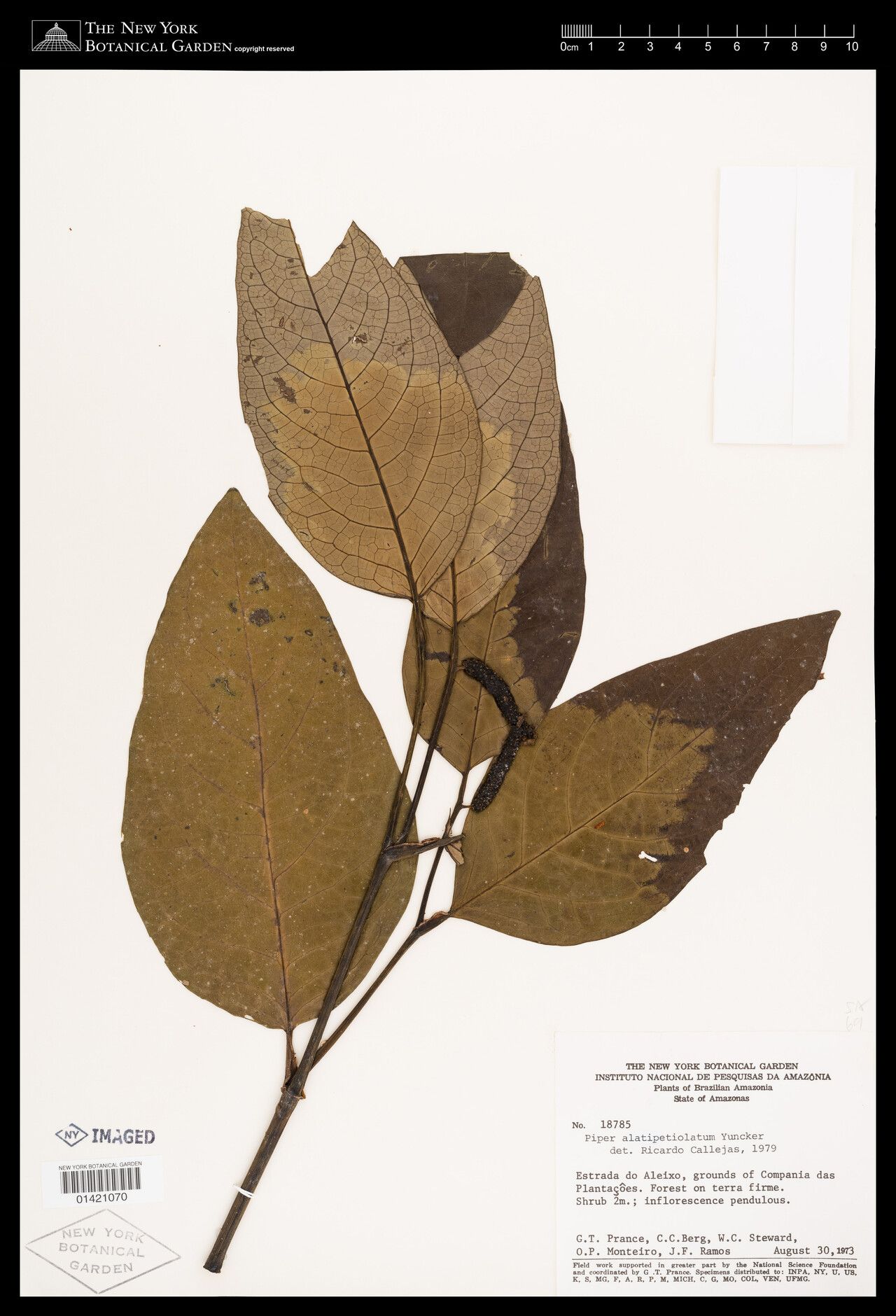
Oh, hello there! Pull up a chair, grab your favorite mug. We’re going to chat about something truly special today: Piper alatipetiolatum. You know, the one with those gorgeous, velvety leaves, often with those distinctive, wing-like structures on the petioles that give it its name. It’s a real stunner, and honestly, watching a tiny cutting transform into a thriving plant is one of the most satisfying things a gardener can do.
Now, is this a plant that throws a tantrum if you look at it wrong when propagating? Not at all! I’d say Piper alatipetiolatum is a pretty good plant for beginners looking to dip their toes into propagation. It’s forgiving, and with a little bit of care, you’ll be rewarded with new buddies for your plant collection, or perhaps even for sharing with friends.
The Best Time to Start
For the highest success rate, I always find that spring and early summer are your golden ticket. This is when the plant is actively growing and has all the energy it needs to put out roots. You’re looking for healthy, vigorous new growth. You don’t want to try this with a plant that’s looking tired or stressed.
Supplies You’ll Need
Before we get our hands dirty, let’s gather our tools. You won’t need much, but having the right things on hand makes all the difference:
- Sharp pruning shears or a clean knife: For making clean cuts.
- Rooting hormone (optional, but helpful): A powder or gel that encourages root development.
- Grow light or a bright, indirect light source: To give your cuttings the energy they need.
- Small pots or propagation trays: With drainage holes, of course!
- Well-draining potting mix: I like to use a blend of perlite, peat moss, and a bit of regular potting soil. A good seed-starting mix works well too.
- Clear plastic bag or a propagation dome: To create a humid environment.
- Plastic labels or popsicle sticks: To remember what you’ve planted where!
Propagation Methods
Let’s get to the fun part! We’ll focus on stem cuttings, which are usually the most successful for this beauty.
Stem Cuttings:
- Select your cutting: Look for a healthy stem with at least 2-3 nodes. Nodes are those little bumps on the stem where leaves emerge. This is where new roots will form.
- Make the cut: Using your sharp shears or knife, make a clean cut just below a node. This is crucial for encouraging root growth from that specific point. Remove any lower leaves that might sit below the soil line.
- Apply rooting hormone (optional): If you’re using rooting hormone, dip the cut end of the stem into the powder or gel. Gently tap off any excess.
- Plant your cutting: Fill your small pot or propagation tray with your well-draining mix. Make a small hole in the center with your finger or a pencil.
- Insert the cutting: Gently place the cut end of the stem into the hole, ensuring at least one node is buried beneath the surface of the soil. Firm the soil gently around the stem to keep it upright.
- Water lightly: Give the soil a gentle watering, just enough to moisten it. You don’t want it soggy.
- Create humidity: Cover the pot with a clear plastic bag or place it inside a propagation dome. This traps moisture and creates the humid environment your cutting needs to prevent drying out while it’s trying to root.
- Provide light: Place the pot in a spot with bright, indirect light. A grow light on a timer can be fantastic for this.
Water Propagation (An Alternative):
This method is a bit more visual, and you can easily see when roots are forming.
- Prepare the cutting: Same as above, select a healthy stem with 2-3 nodes and make a clean cut below a node. Remove lower leaves.
- Place in water: Put the cutting in a glass or small jar filled with clean water. Make sure that at least one node is submerged.
- Location is key: Place the jar in a spot with bright, indirect light.
- Change the water: Change the water every few days to keep it fresh and prevent rot.
- Watch for roots: You should start to see tiny roots emerging from the nodes within a few weeks. Once the roots are about an inch long, you can pot them up into your well-draining soil mix.
The “Secret Sauce” (Pro Tips)
Here are a couple of things I’ve learned over the years that can really boost your success:
First off, don’t overcrowd your cuttings. Give each one a bit of space in its pot or propagator. This helps with air circulation, which fends off fungal issues. If you’re using the soil method, once your cuttings are potted, resist the urge to tug on them! Let them establish their roots undisturbed. When you gently try to move them and feel resistance, that’s a good sign they’ve rooted.
And for those of you feeling a bit more adventurous or if your space is a bit on the cooler side, bottom heat can be your best friend. Placing your propagation tray on a heating mat designed for plants can significantly speed up the rooting process. It mimics the warmth of spring soil and gives those new roots a real encouragement to grow.
Aftercare & Troubleshooting
Once you see signs of new growth on your cutting – little leaves unfurling or the stem looking robust – it’s a good indicator that roots are forming. You can gently test this by giving the stem a very light tug; if you feel resistance, new roots are probably there!
At this point, gradually acclimate your new plant to less humid conditions. If it was under a plastic bag, start by opening it for a few hours each day. If it was under a dome, remove it for increasing periods. Keep the soil consistently moist but not waterlogged.
What about problems? The most common issue you’ll encounter is rot. This usually happens when the cutting is kept too wet, or if there’s not enough air circulation. If your cutting looks mushy or discolored, it’s likely that rot has set in. Unfortunately, there’s not much you can do once this happens. Prevention is key: use well-draining soil and avoid overwatering. If you’re using the water propagation method, ensure you’re changing the water regularly.
A Encouraging Closing
Propagating plants is a journey, and like any good journey, it requires a bit of patience. Don’t be discouraged if your first attempt doesn’t bring you a jungle overnight. Every cutting you take is a learning experience. Enjoy the process of nurturing these tiny beginnings, and celebrate every little sprout. Happy propagating!
Resource:
https://identify.plantnet.org/k-world-flora/species/Piper%20alatipetiolatum%20Yunck./data