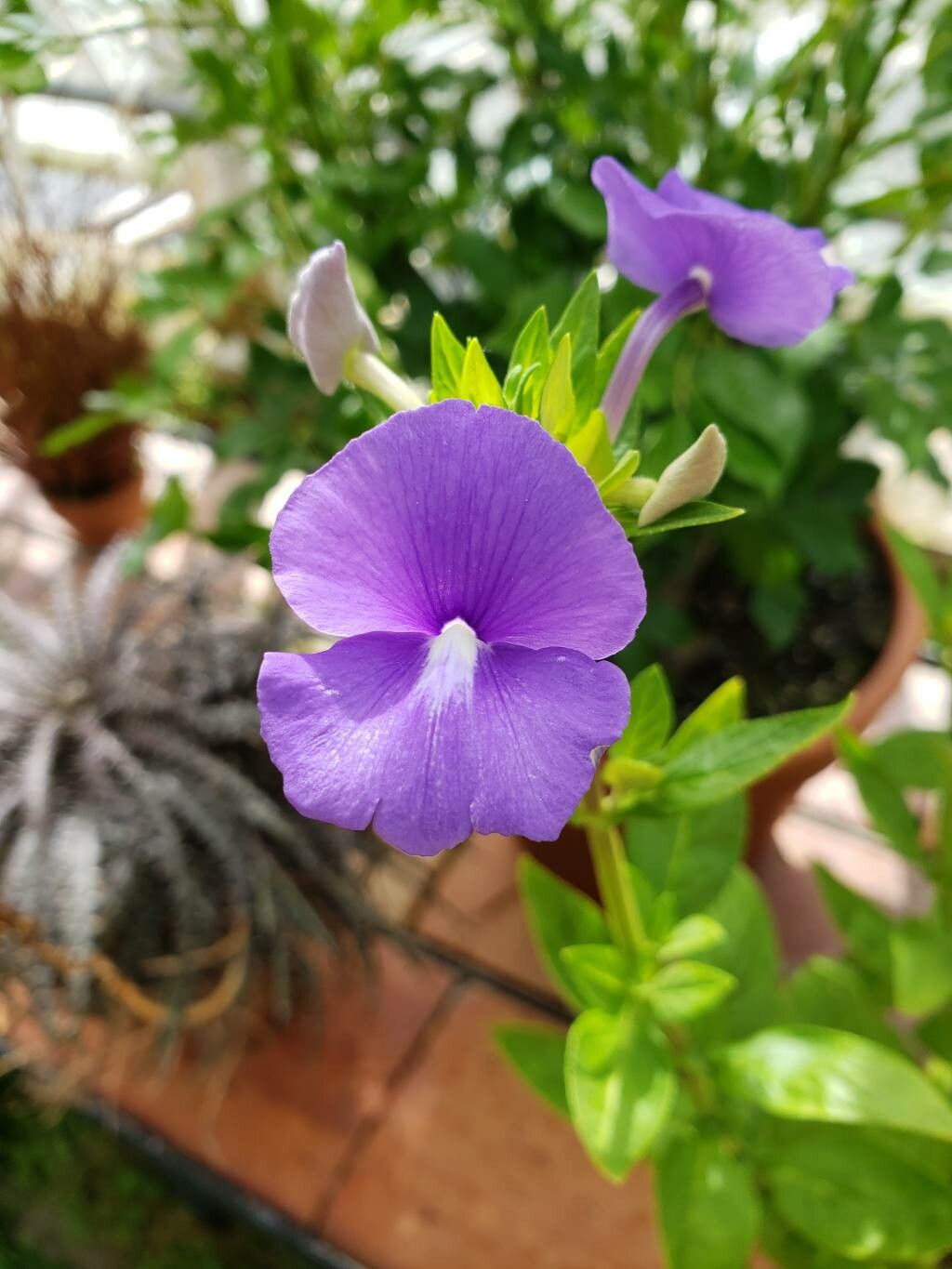
Hey there, fellow plant lovers! I’m so excited to chat with you today about a truly stunning plant: Matourea azurea. If you’ve ever seen its vibrant blue flowers, you know exactly why it captured my heart. It’s like a little piece of the sky has landed in your garden!
Why Propagate Matourea Azurea?
Propagating Matourea azurea is incredibly rewarding. It’s your chance to share that beauty with friends, fill your own garden with more of these lovely blooms, or simply enjoy the satisfaction of bringing new life into the world. Now, for the good news: Matourea azurea is moderately easy to propagate, even for folks who are just starting their plant journey. With a little patience and the right approach, you’ll be well on your way to success!
The Best Time to Start
For the highest chance of success with Matourea azurea, I always recommend starting in late spring or early summer. This is when the plant is in its active growth phase, meaning it has plenty of energy to put into developing new roots. Aim for stems that are not brand new and tender, but also not woody and old. You’re looking for that sweet spot – nice, firm growth.
Supplies You’ll Need
Gathering your supplies beforehand makes the whole process so much smoother. Here’s what you’ll want on hand:
- Sharp Pruning Shears or a Clean Knife: For making clean cuts.
- Rooting Hormone (Optional but Recommended): Helps encourage root development.
- Well-Draining Potting Mix: A good blend of peat moss, perlite, and a little bit of compost works wonders. You can also buy specific succulent or cutting mixes.
- Small Pots or Seed Starting Trays: With drainage holes, of course!
- Perlite: Great for improving drainage if you’re mixing your own soil.
- Plastic Bags or a Propagation Dome: To create a humid environment.
- Watering Can with a Fine Rose: For gentle watering.
Propagation Methods
Matourea azurea is quite adaptable, and I’ve had great success with a couple of different methods. Let’s dive in!
Stem Cuttings: My Go-To Method
This is my favorite way to propagate Matourea azurea. It’s straightforward and yields fantastic results.
- Take the Cuttings: Using your clean shears or knife, select healthy stems that are about 4-6 inches long. Make a clean cut just below a leaf node (where a leaf attaches to the stem).
- Prepare the Cuttings: Gently remove the lower leaves. You want to expose at least one or two leaf nodes, as this is where the roots will emerge.
- Apply Rooting Hormone (Optional): If you’re using rooting hormone, lightly dip the cut end of the stem into the powder or gel. Tap off any excess.
- Plant the Cuttings: Fill your small pots or trays with your well-draining potting mix. Make a small hole in the center with your finger or a pencil. Insert the prepared cuttings into the hole, ensuring at least one leaf node is buried in the soil. Firm the soil gently around the base of the cutting.
- Water Gently: Water the soil lightly. You want it to be moist, but not waterlogged.
- Create Humidity: Cover the pots loosely with a clear plastic bag or your propagation dome. This traps moisture, creating a greenhouse effect that encourages rooting. You can also use a toothpick to prop up the bag so it doesn’t touch the leaves.
- Provide Bright, Indirect Light: Place your pots in a location that receives bright, indirect sunlight. Avoid direct sun, which can scorch the delicate cuttings.
Water Propagation (for the Impatient!)
If you love to see the roots forming, water propagation is a fun option.
- Prepare the Cuttings: Follow steps 1 and 2 above for taking and preparing stem cuttings.
- Place in Water: Fill a clean jar or glass with fresh water. Submerge the cut ends of the cuttings in the water, making sure no leaves are below the waterline. This is crucial to prevent rot.
- Change Water Regularly: Change the water every 2-3 days to keep it fresh and prevent bacterial growth.
- Provide Bright, Indirect Light: Just like with stem cuttings, place the container in a bright spot with indirect light.
- Pot Up Once Roots Appear: Once you see little white roots at least an inch long, it’s time to carefully transplant them into the well-draining potting mix, following steps 4 and 5 from the stem cuttings method.
The “Secret Sauce” (Pro Tips)
Here are a couple of tricks I’ve learned over the years that really make a difference:
- The Power of Bottom Heat: Matourea azurea absolutely loves a little warmth from below to encourage root growth. If you can, invest in a seedling heat mat. It’s a game-changer, especially if your propagation area tends to be cooler. Just place your pots on top of it.
- Don’t Overwater! This is probably the most common mistake. It’s tempting to keep things super moist, but overly wet soil is a recipe for rot. Let the top inch of soil dry out slightly between waterings. Your cuttings will tell you if they’re too dry (a little wilt) or too wet (mushy stems).
Aftercare & Troubleshooting
Once you see signs of new growth, like tiny leaves emerging, that’s your cue that roots have formed!
- Weaning Off Humidity: Gradually reduce the humidity for your new plants. Start by opening the bag or dome for a few hours each day, then remove it entirely over a week or so.
- Continue Bright, Indirect Light: Keep them in their bright, but indirect, spot.
- Watering: Water when the top inch of soil feels dry. Avoid letting them sit in soggy soil.
- Signs of Trouble: The most common issue is rot. If your cutting turns black and mushy, it’s likely rotted due to too much moisture or poor drainage. Unfortunately, there’s usually no coming back from this. Yellowing leaves, especially the lower ones, can sometimes indicate overwatering or not enough light.
Be Patient and Enjoy the Journey!
Propagating plants is a wonderful way to connect with nature and expand your green kingdom. Matourea azurea is a joy to work with, and seeing those little cuttings take root and grow is one of gardening’s greatest pleasures. Don’t get discouraged if your first attempt isn’t perfect. Each time you try, you learn something new. So, go ahead, grab your shears, and happy propagating! You’ve got this!
Resource: