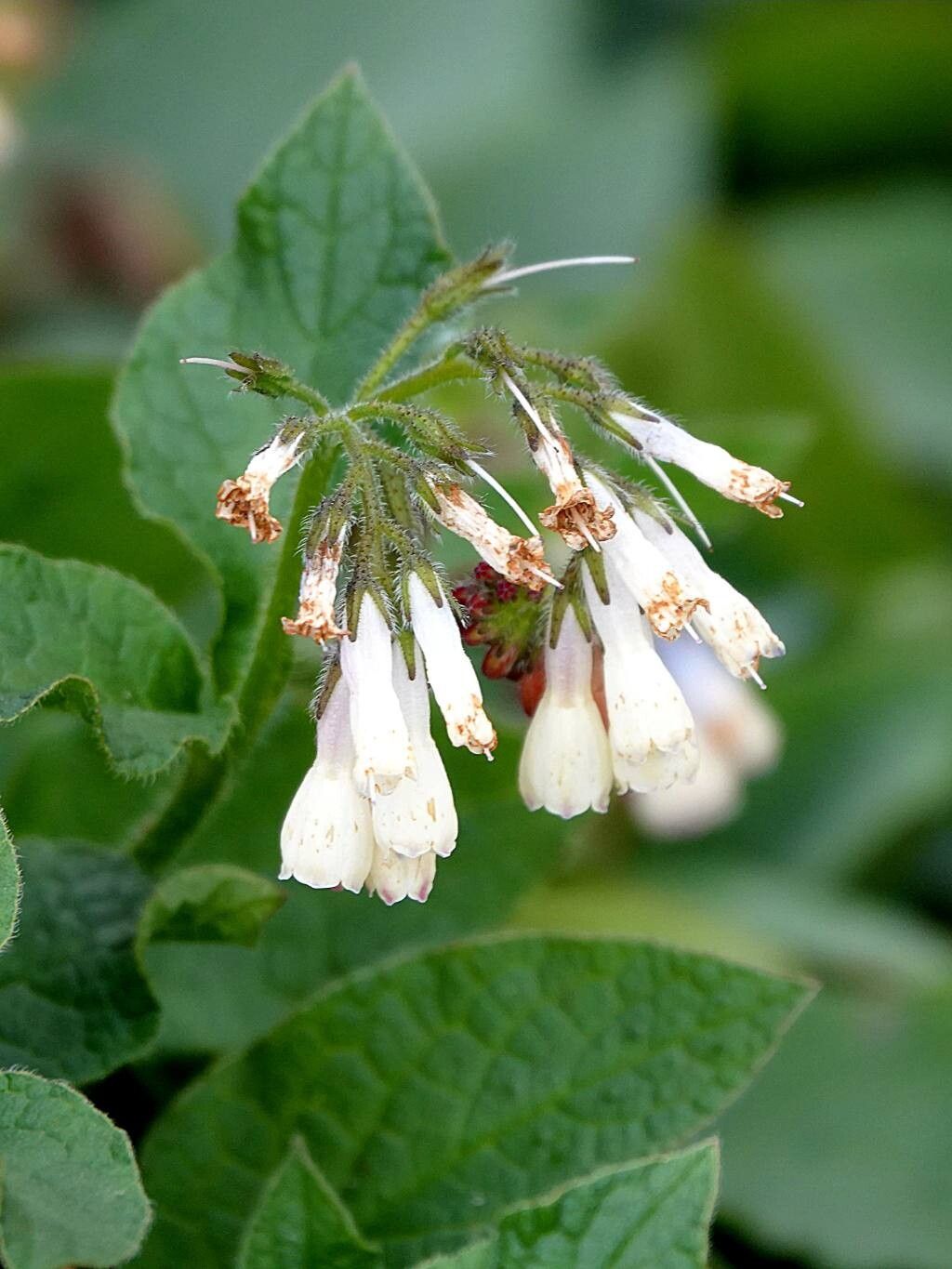
Oh, hello there! Come on in, grab a cup of tea. I’m so glad you’re interested in Symphytum grandiflorum, also known as creeping comfrey. It’s such a delightful groundcover, isn’t it? Those lovely clusters of bell-shaped, soft blue flowers in the spring are just a burst of joy. And the foliage! It’s a deep, rich green and can really fill out a shady spot beautifully.
One of the most rewarding things about gardening is making more of the plants you love. Propagating comfrey is, happily, not a difficult feat. I’d say it’s definitely beginner-friendly, which is always a bonus when you’re just starting out or looking to expand your collection without breaking the bank. There’s a real sense of accomplishment that comes with nurturing a tiny cutting or division into a full-grown plant.
The Best Time to Start
Generally speaking, the spring and early autumn are your prime windows for propagating Symphytum grandiflorum.
- Spring: This is when the plant is really waking up. New growth is vigorous, and cuttings taken at this time often root quite readily. You’re essentially catching it at its most energetic phase.
- Early Autumn: After the main flush of flowering has passed and the plant has had a chance to produce new, healthy foliage, you can also take cuttings. It’s a bit like getting a second chance before the plant settles down for winter.
Supplies You’ll Need
You don’t need anything too fancy for this. Most of what we’ll use is standard garden fare.
- Sharp Pruning Shears or a Clean Knife: Essential for making clean cuts to avoid damaging the plant or introducing disease.
- Potting Mix: A good quality, well-draining potting mix is crucial. I often use a blend of peat moss and perlite or vermiculite. For divisions, a regular garden soil mixed with compost works well.
- Small Pots or Trays: Clean pots or seedling trays with drainage holes are perfect for starting your cuttings. You can even reuse old yogurt cups with holes poked in the bottom!
- Watering Can or Spray Bottle: For gentle watering.
- Optional: Rooting Hormone: While comfrey is pretty good at rooting on its own, a little rooting hormone can speed things up and increase your success rate, especially for stem cuttings.
- Optional: Watering Mat or Heating Mat (for stem cuttings): This can be a little trick, but more on that later!
Propagation Methods
Here are a couple of tried-and-true ways I like to propagate my creeping comfrey.
1. Division (My Favorite for Comfrey)
This is arguably the easiest and most straightforward method for Symphytum grandiflorum. It’s perfect for plants that have started to spread out, forming nice clumps.
- Gently Dig Up: In spring or early autumn, carefully dig around the base of your established comfrey plant with a spade or garden fork. You want to loosen the soil and lift the entire clump.
- Inspect the Roots: Shake off excess soil so you can clearly see the root structure and where new shoots are emerging.
- Divide the Clump: Using your sharp spade or even just your hands, split the main root ball into sections. Aim for each section to have at least one strong root and a few healthy-looking buds or shoots. You can literally pull it apart, or if it’s a bit tough, use your spade to make a clean cut.
- Replant Immediately: Plant each division into its new home. Make sure they’re planted at roughly the same depth they were originally growing. Water them in well.
2. Stem Cuttings
This method involves taking pieces of the plant and encouraging them to root.
- Take Your Cuttings: In spring or early autumn, choose a healthy, vigorous stem. Using your clean pruning shears, cut a piece about 4-6 inches long. Make the cut just below a leaf node (where a leaf attaches to the stem).
- Prepare the Cutting: Remove the lower leaves from the cutting. You can leave a couple of leaves at the top. If the top leaves are very large, you can even cut them in half to reduce moisture loss.
- Optional: Dip in Rooting Hormone: If you’re using rooting hormone, dip the cut end of the stem into the powder. Tap off any excess.
- Plant the Cuttings: Fill your small pots or trays with your well-draining potting mix. Make a hole in the soil with a pencil or your finger. Insert the cut end of the comfrey cutting into the hole, ensuring at least one leaf node is buried beneath the soil. Firm the soil gently around the cutting.
- Water Gently: Water the soil thoroughly but gently, so you don’t dislodge the cuttings. A spray bottle is great for this initial watering.
The “Secret Sauce” (Pro Tips)
Now, while comfrey is easy, a few little tricks can make all the difference.
- Don’t Let Leaves Touch: If you’re rooting cuttings in water (though I find soil is usually more successful for comfrey), make sure no leaves are submerged in the water. They’ll just rot and can take the whole cutting down with them.
- The Magic of Bottom Heat: For stem cuttings, placing your pots on a gentle heating mat can dramatically speed up root development. Comfrey roots much faster when the soil is kept consistently warm, around 70-75°F (21-24°C). It mimics the feeling of spring soil.
- Think About Dormancy: When dividing, if you’re doing it in early autumn, just remember the plant is starting to slow down. While it will still root, it might take a little longer than if you divide in the spring when it’s bursting with energy.
Aftercare & Troubleshooting
You’ve got your divisions planted or your cuttings tucked into soil. Now what?
- Keep Them Moist: The most important thing is to keep the soil consistently moist but not waterlogged. Check the pots daily. If the top inch of soil feels dry, it’s time to water. A spray bottle is good for misting the foliage occasionally, especially if it’s dry and sunny.
- Provide Light (But Not Harsh Sun): Place your pots or divisions in a spot that gets bright, indirect light. Avoid direct, hot sun, which can dry them out too quickly or scorch delicate new growth.
- Patience is Key: Rooting can take time. For divisions, you should see new top growth appearing within a few weeks. For stem cuttings, you might not see much happening for a month or even longer. The best way to check is to gently tug on the cutting. If there’s resistance, roots are forming!
- Watch for Rot: The most common problem you’ll encounter is rot, usually due to overwatering or poor drainage. If your cutting looks mushy, black, or stinky, it’s a goner. This is where good drainage and sensible watering are critical. If a division or cutting looks wilted, double-check your watering – it could be too dry or too wet.
So there you have it! Propagating Symphytum grandiflorum is a wonderfully accessible project. Don’t be afraid to experiment. Even if a cutting doesn’t make it, you’ve learned something, and there’s always next season. Enjoy the process, and soon you’ll have beautiful comfrey spreading through your garden. Happy gardening!
Resource:
https://identify.plantnet.org/k-world-flora/species/Symphytum%20grandiflorum%20DC./data