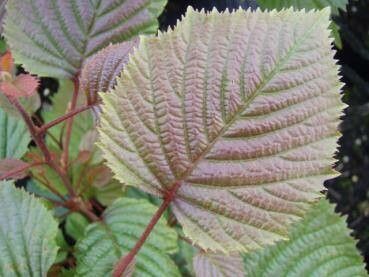
Hello, fellow plant lovers! Today, we’re going to talk about a truly special tree: Euptelea pleiosperma. If you’re looking for a native beauty that offers delicate, pendulous flowers in early spring and lovely foliage afterwards, this is for you. It’s not a plant you see everywhere, which makes propagating it yourself even more satisfying. Now, I’ll be honest, Euptelea pleiosperma isn’t the absolute easiest plant to start from scratch, but with a bit of care and the right approach, it’s absolutely achievable and incredibly rewarding.
The Best Time to Start
For the highest success rate, I find that late spring to early summer, just as the new growth is hardening off a little but still quite supple, is the prime time. You want to capture that fresh, vigorous growth.
Supplies You’ll Need
Before we get our hands dirty, let’s gather our essentials:
- Sharp, clean pruning shears or a sharp knife: For taking nice, clean cuttings.
- Rooting hormone powder (optional but recommended): I prefer powdered forms for ease of use. Look for one with IBA, if you can.
- Well-draining potting mix: A good blend of peat moss or coco coir, perlite, and a bit of coarse sand works wonders. You want air circulation around those developing roots.
- Small pots or propagation trays: Clean ones are a must to avoid disease.
- Clear plastic bags or a propagation dome: To maintain humidity.
- Watering can with a fine rose attachment: For gentle watering.
- Labels and a marker: To keep track of what you’ve potted.
Propagation Methods
While you can try seeds, which can be a longer game and sometimes have variable germination rates, stem cuttings are generally my go-to for Euptelea pleiosperma.
- Taking the Cuttings: Select healthy, non-flowering shoots from the current year’s growth. Look for stems about 6-8 inches long.
- Prepare the Cuttings: Using your clean shears, cut just below a leaf node. Nodes are those little bumps where leaves emerge from the stem. Remove the lower leaves, leaving just a few at the top. If the leaves are quite large, you can even cut them in half horizontally to reduce water loss.
- Apply Rooting Hormone (Optional): If you’re using rooting hormone, dip the cut end of the stem into the powder, tapping off any excess.
- Planting: Fill your clean pots or trays with your prepared potting mix. Make a small hole with a pencil or your finger and gently insert the cutting, ensuring the nodes are below the soil surface.
- Firm the Soil: Lightly firm the soil around the cutting to ensure good contact.
- Water Gently: Water thoroughly until the mix is moist but not waterlogged.
The “Secret Sauce” (Pro Tips)
Here are a couple of things I’ve learned over the years that can really give you an edge:
- Bottom Heat is Your Friend: Euptelea pleiosperma really appreciates a little warmth on its roots. Placing your pots on a heated propagation mat can significantly speed up rooting. It mimics natural conditions and encourages those roots to get going.
- Don’t Let the Leaves Touch the Water (if you were to try water propagation, which I generally don’t recommend for this one, but the principle applies to humidity): Even within your humidity dome or plastic bag, be mindful of leaves touching the sides or the surface of the soil if it gets too wet. This can lead to fungal issues. Good air circulation within that enclosed humid environment is key.
- The Gentle Touch: When you’re taking your cuttings, try not to bruise the stems. A sharp, clean cut is crucial. Think of it as a clean incision, not a tear.
Aftercare & Troubleshooting
Once your cuttings are planted, cover them with a plastic bag or a propagation dome to create a humid environment. Find a spot with bright, indirect light. They don’t like harsh sun, especially when they’re trying to establish themselves.
Watering is key: keep the soil consistently moist but never soggy. You can gently mist the leaves occasionally if the air is very dry.
You’ll know your cutting is rooting when you see new leaf growth or feel a slight resistance when you gently tug on the stem. This can take anywhere from 4-12 weeks, so patience is essential!
The most common sign of trouble is rotting, which usually indicates overwatering or poor drainage. If your cutting turns mushy and black, it’s likely a goner. Damp, yellowing leaves that aren’t followed by new growth might mean it’s not getting enough light or the environment is too dry. Don’t be discouraged if some don’t make it, it’s part of the learning process!
A Warm Encouraging Closing
Propagating Euptelea pleiosperma is a journey, not a race. There’s something deeply satisfying about nurturing a new life from a tiny cutting. Be patient, observe your little plants, and celebrate every new leaf or tiny root. You’ve got this, and enjoy the process of growing your own beautiful trees!
Resource: