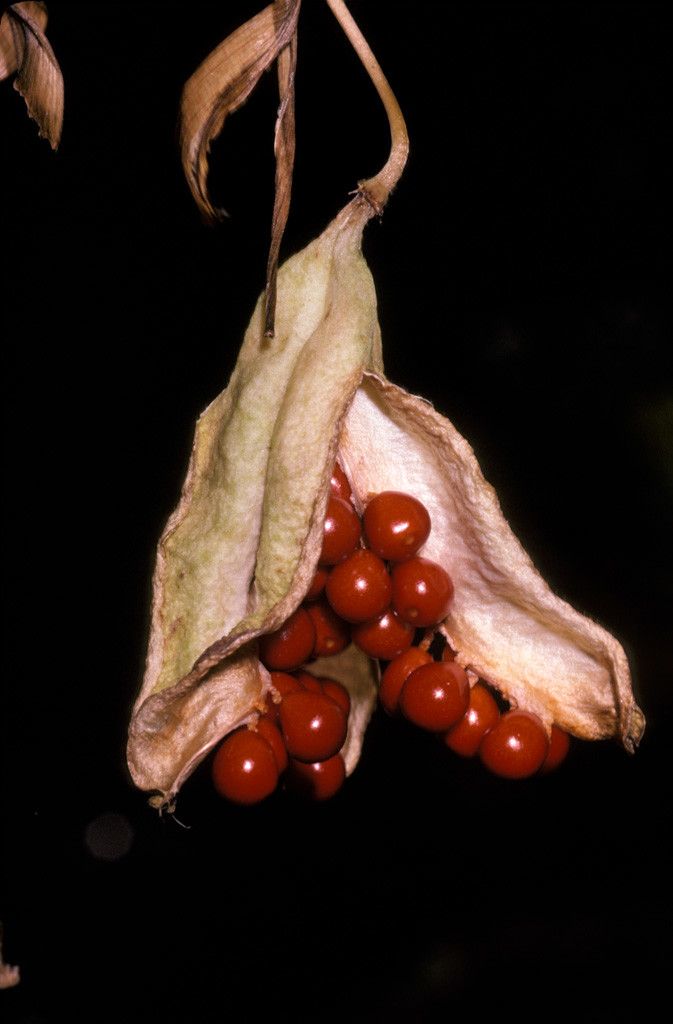
Oh, hello there! Come on in, grab yourself a mug. Let’s chat about one of my absolute favorite plants: Gloriosa lindenii. If you haven’t met this beauty yet, imagine jewel-like, crimson flowers with dramatic yellow tips, often unfurling like tiny dancers. They have this wonderful way of bringing a splash of vibrant color to any garden or conservatory. Propagating them is a joy, a real hands-on way to multiply that magic. Now, I have to be honest, Gloriosa lindenii can be a tad particular, so it might not be your very first foray into plant parenthood, but with a little patience and this guide, you’ll be well on your way.
When to Get Your Hands Dirty
The absolute best time to think about propagating Gloriosa lindenii is during its active growing season. For most of us, this means late spring to early summer. You’ll see the plant really pushing out new growth with plenty of energy. This vitality is exactly what we want for successful cuttings or divisions. Trying it when the plant is dormant is like asking a sleepy bear for a hug – not very effective!
What You’ll Need in Your Arsenal
Here’s a little list of things that will make your propagation journey smoother:
- Sharp, Clean Pruning Shears or a Knife: Crucial for making clean cuts. Sterilize them with rubbing alcohol to prevent disease.
- Well-Draining Potting Mix: I like a blend of perlite, peat moss, and a little bit of coarse sand. A good houseplant mix with extra perlite added works too.
- Small Pots or Trays: Terracotta pots are wonderful because they breathe.
- Rooting Hormone (Powder or Gel): While not strictly essential for all plants, it can give Gloriosa lindenii a helpful boost.
- Plastic Bag or Propagator Lid: To create a humid environment.
- Watering Can with a Fine Rose: For gentle watering.
- Labels and a Marker: To keep track of your efforts!
Bringing More Gloriosa to Life
There are a couple of ways to get more Gloriosa lindenii plants, and each has its charm.
Method 1: Stem Cuttings
This is my go-to for increasing my stock.
- Find a Healthy Stem: Look for a stem that’s vigorous and has at least two to three sets of leaves. Avoid any that are flowering or look weak.
- Make the Cut: Using your sterilized shears, make a clean cut just below a leaf node (where a leaf attaches to the stem). The cutting should be about 3-4 inches long.
- Prepare the Cutting: Remove the lower leaves, leaving just one or two at the top. This prevents them from rotting in the soil.
- Dip in Rooting Hormone: If you’re using it, lightly dip the cut end into your rooting hormone, tapping off any excess.
- Plant Your Cutting: Make a small hole in your prepared potting mix with a pencil or your finger. Gently insert the cut end of the stem into the hole and firm the soil gently around it.
- Water Gently: Water thoroughly but carefully, ensuring the soil is moist but not waterlogged.
- Create Humidity: Place the pot into a plastic bag, sealing it loosely, or cover it with a propagator lid. This traps moisture.
- Find a Bright Spot: Place your cuttings in a warm spot with bright, indirect light. Avoid direct sun, which can scorch the delicate new growth.
Method 2: Division (When the Plant is Established)
If you have a mature, well-rooted plant, dividing it is a fantastic way to get new plants and invigorate the parent.
- Gently Remove from Pot: Carefully ease your Gloriosa lindenii out of its pot.
- Inspect the Roots: Gently tease away some of the old soil to expose the root ball. You’re looking for natural divisions where the rhizome has branched.
- Make the Division: Using your hands or a clean, sharp knife, carefully separate sections of the plant. Each section should have at least one healthy shoot and a good portion of root.
- Pot Them Up: Plant each division in its own pot filled with your well-draining potting mix, burying the rhizome just slightly below the surface.
- Water and Acclimate: Water them in well and place them in a warm spot with bright, indirect light.
The “Secret Sauce” from My Greenhouse
Here are a couple of tricks I’ve learned over the years that often make all the difference:
- Bottom Heat is Your Friend: Gloriosa lindenii roots are often happiest with a little warmth from below. A heat mat placed under your pots can significantly speed up root development for cuttings. Just make sure it’s a gentle, consistent warmth.
- Don’t Drown Your Dreams: This is a big one. Overwatering is the quickest way to lose a cutting or division to root rot. The soil should be consistently moist, not soggy. Check the soil surface by touch. If it feels dry an inch down, it’s time to water.
What Comes Next & What to Watch For
Once your cuttings have developed roots – you can usually tell by giving them a very gentle tug and feeling resistance, or by seeing new growth emerge – it’s time for a little more attention.
- Gradually Acclimate: If your cutting is in a bag or propagator, slowly start to open it up over a few days to let it get used to the ambient humidity. Once roots are well-established (you’ll likely see them in the drainage holes), you can remove the cover entirely.
- Watering Routine: Water when the top inch of soil feels dry. Continue to give them bright, indirect light.
- Signs of Trouble: The most common issue is rot. If your cutting turns mushy or dark and falls over, it’s usually a sign of too much moisture and insufficient drainage. Sadly, this is often difficult to recover from. Another sign of distress can be yellowing or wilting leaves that aren’t related to lack of water. This could mean too much sun or a chilly draft.
A Little Patience, A Lot of Joy
Propagating a plant like Gloriosa lindenii is a process that teaches us a lot about patience and observation. Don’t be discouraged if your first few attempts aren’t perfect. Every gardener has had their share of wilting leaves and failed cuttings! The real reward is in the journey, the quiet anticipation, and the sheer magic of watching a tiny new plant emerge. So, get your hands in the soil, embrace the learning curve, and enjoy the unfolding beauty. Happy propagating!
Resource: