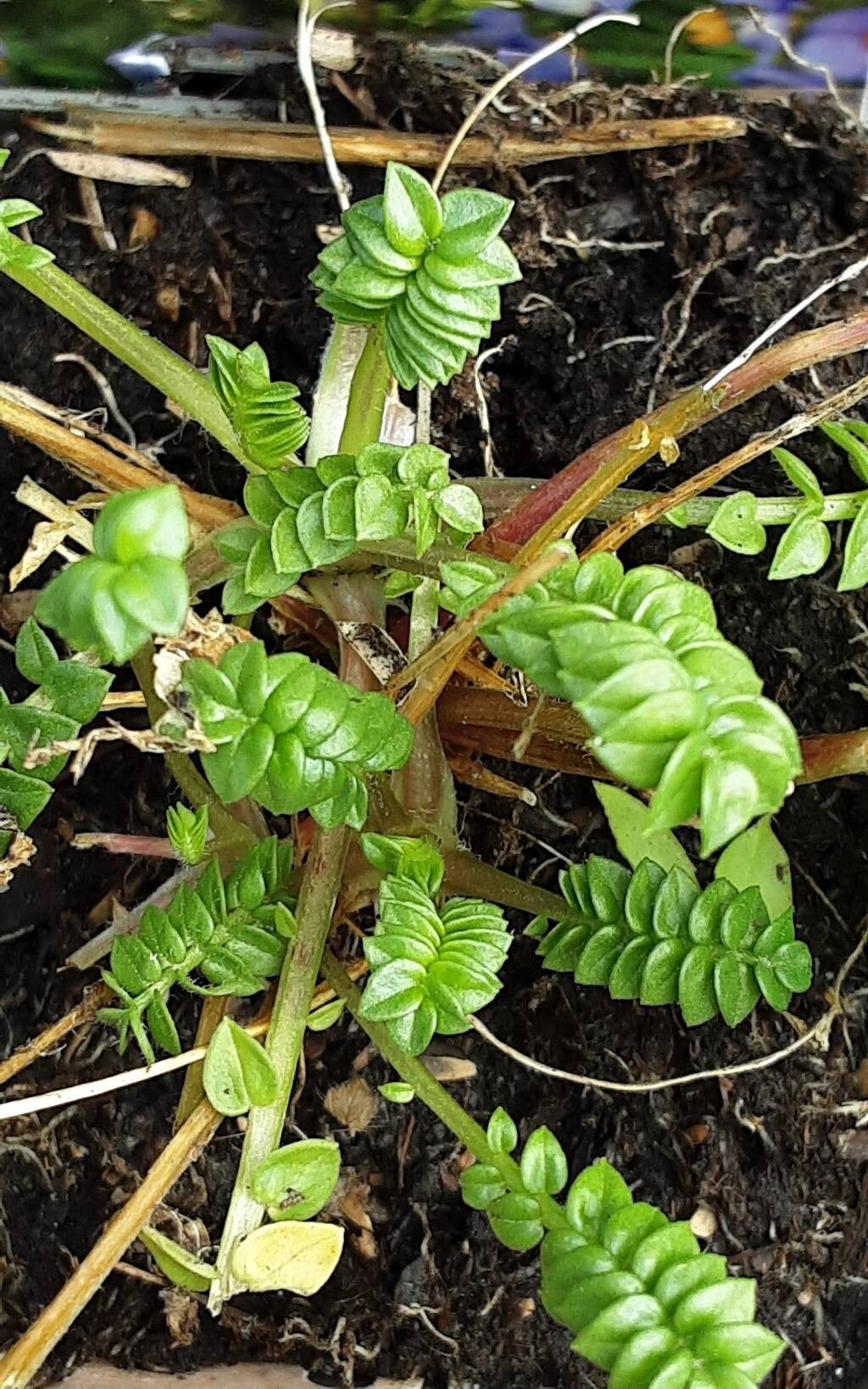
Hello there, fellow garden enthusiasts! Today, we’re diving into the wonderful world of Polemonium boreale, often known as Northern Jacob’s Ladder. I’ve been growing this beauty for years, and its delicate, sky-blue flowers and tidy foliage bring a touch of serene elegance to any garden corner. It’s a plant that truly rewards you for your efforts and is quite forgiving, making it a lovely choice even for those just starting their plant-parenting journey. Propagating it yourself? That’s where the real joy lies!
The Best Time to Start
For Polemonium boreale, I find late spring to early summer is absolutely prime time. This is when the plant is actively growing, full of vigor, and readily producing new shoots. Waiting until after the main bloom has finished, but before the intense heat of summer sets in, gives your cuttings or divisions the best chance to establish themselves before facing the challenges of the season.
Supplies You’ll Need
Here’s a little toolkit to gather before we get our hands dirty:
- Sharp pruning shears or a clean knife: For making precise cuts.
- Rooting hormone (optional but helpful): Helps encourage root development.
- Small pots or seed trays: Clean ones are essential to prevent disease.
- A good quality potting mix: I like a mix that drains well, perhaps with added perlite or sharp sand. A seed-starting mix also works beautifully.
- Watering can or spray bottle: For gentle watering.
- Labels or markers: To keep track of your efforts!
- A plastic bag or propagation dome: To create a humid environment for cuttings.
- A dibber or pencil: For making planting holes.
Propagation Methods
Polemonium boreale is quite obliging and can be easily propagated through two main methods: division and stem cuttings.
1. Division: The Quickest Route
This is my go-to method for Polemonium boreale because it’s so straightforward and gives you a larger plant right away.
- Step 1: Prepare. Gently dig up the entire Polemonium clump. If the soil is dry, water it a few hours beforehand to make it easier to work with.
- Step 2: Divide. Using your hands or a spade, carefully separate the clump into smaller sections. Ideally, each section should have a healthy portion of roots and a few leafy shoots. You can gently pull them apart, or if it’s a bit stubborn, use your clean knife or spade to cut through the root ball.
- Step 3: Replant. Immediately replant the divisions into their new homes – either back into your garden or into pots filled with your potting mix. Ensure the crown (where the roots meet the stem) is at soil level.
- Step 4: Water. Give them a good, gentle watering to settle the soil and eliminate air pockets.
2. Stem Cuttings: For More Plants!
This method is perfect if you want to create multiple new plants from a single specimen.
- Step 1: Take Cuttings. Select healthy, non-flowering stems from your Polemonium. Using your sharp shears, make a cut just below a leaf node (where a leaf attaches to the stem). Aim for cuttings that are about 3-4 inches long. Remove the lower leaves, leaving just a couple at the top.
- Step 2: Apply Rooting Hormone (Optional). Dip the cut end of each stem into a rooting hormone powder or gel. Tap off any excess.
- Step 3: Pot Them Up. Fill small pots or your seed tray with your well-draining potting mix. Use your dibber or pencil to make a small hole in the center of each pot or cell.
- Step 4: Insert Cuttings. Place a cutting into each hole, ensuring the leaf nodes where you removed leaves are below the soil line. Gently firm the soil around the stem.
- Step 5: Create Humidity. Water thoroughly but gently. Then, cover the pots with a plastic bag or place them inside a propagation dome to maintain a humid environment. Make sure the leaves don’t touch the sides of the bag if possible, as this can encourage rot.
The “Secret Sauce” (Pro Tips)
Here are a couple of things I’ve learned over the years that can really boost your success:
- Bottom Heat is Your Friend: For stem cuttings, especially if your house isn’t super warm, placing your pots on a heat mat can significantly speed up root formation. It mimics the warmth of spring soil and signals to the plant that it’s time to get growing.
- Patience with the Pinch: When your stem cuttings start to show new growth at the tips, it’s a sign they’re rooting. If you want a bushier plant later on, you can give them a gentle pinch right at the tip. This encourages the plant to branch out, resulting in a fuller specimen down the line.
Aftercare & Troubleshooting
Once your divisions are planted or your cuttings have started to root (you can gently tug on a cutting to feel for resistance if you suspect roots), it’s time for a little tender loving care.
- Keep Them Moist: Ensure the soil remains consistently moist but not waterlogged. Overwatering is the most common culprit for failure, leading to rot. Signs of rot include soft, mushy stems and a general wilting that doesn’t improve with watering. If you see this, don’t despair, but check your watering habits.
- Gradual Acclimatization: If you’ve used a humidity dome or plastic bag, start to gradually introduce your new plants to normal air by lifting the cover for an hour or two each day for a week. This helps them adjust to lower humidity levels before you transplant them to their permanent spot or into larger pots.
- Sunlight: Keep them in bright, indirect light. Direct, harsh sun can scorch delicate new growth.
And there you have it! Propagating Polemonium boreale is a genuinely rewarding experience. Don’t be discouraged if your first attempt isn’t perfect. Gardening is all about learning and adapting. Embrace the process, enjoy watching those little roots unfurl, and you’ll soon be rewarded with new blooms to share. Happy propagating!
Resource:
https://identify.plantnet.org/k-world-flora/species/Polemonium%20boreale%20Adams/data