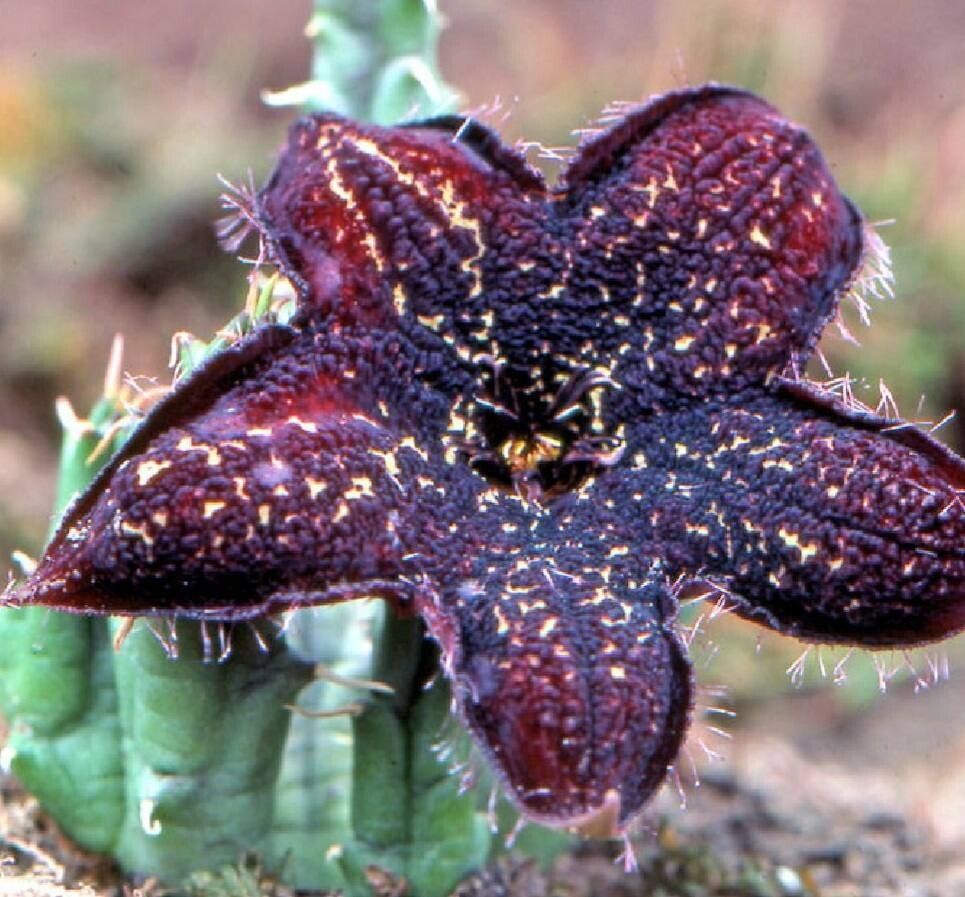
Hello fellow plant lovers! Today, we’re diving into the wonderful world of propagating Tridentea gemmiflora. If you’re drawn to its intriguing sculptural form and the promise of new life, you’re in for a treat!
Why Propagate Tridentea Gemmiflora?
There’s something truly special about coaxing a new plant into existence from a piece of an existing one. With Tridentea gemmiflora, it’s not just about getting more plants; it’s about understanding its growth cycle and feeling that deep connection to nature. While some succulents can be a bit fussy, Tridentea gemmiflora is surprisingly forgiving, making it a great choice even if you’re relatively new to propagation. You’ll be rewarded with more of those fascinating, multi-branched stems and those subtle, star-shaped blooms.
The Best Time to Start
For the highest chance of success, I find late spring to early summer is your sweet spot. This is when the plant is actively growing and has a good reserve of energy. You’ll want to choose stems that are firm and mature, not the brand-new, bright green growth. Think of it as harvesting at the peak of ripeness!
Supplies You’ll Need
Gathering your tools beforehand makes the whole process much smoother. Here’s what you should have on hand:
- Sharp, clean pruning shears or a sharp knife: For making clean cuts.
- Rooting hormone (optional but recommended): Especially for stem cuttings.
- Well-draining potting mix: A cactus and succulent mix is perfect. You can also mix in some perlite or pumice for even better drainage.
- Small pots or trays: Terracotta pots are great as they allow the soil to dry out faster.
- Watering can or spray bottle: For gentle watering.
- Labels or plant tags: To keep track of what you’ve propagated and when.
Propagation Methods
Tridentea gemmiflora is wonderfully adaptable, and you can have success with a couple of key methods.
Stem Cuttings
This is my go-to method for Tridentea gemmiflora.
- Take the Cutting: Using your clean shears or knife, select a healthy stem. Cut a piece that’s at least 3-4 inches long. You can even take multiple cuttings from a single plant.
- Allow to Callus: This is a crucial step! Let the cut end of the stem air dry for 2-7 days. You’ll see a dry, waxy scab form over the cut. This prevents rot when you plant it.
- Apply Rooting Hormone (Optional): Once callused, dip the cut end into your rooting hormone, tapping off any excess.
- Plant the Cutting: Fill your small pot with your well-draining mix. Make a small hole in the center with your finger or a pencil. Gently insert the callused end of the cutting into the hole, ensuring it’s firmly in place. Don’t bury it too deep, just enough to support it.
- Wait for Roots: Place the pot in a bright spot with indirect light. Avoid watering for the first week or so. After that, water sparingly, only when the soil is dry to the touch. You can gently tug on the cutting after a few weeks; if there’s resistance, roots have formed!
Division
If your Tridentea gemmiflora has grown into a denser clump, division is a simple way to get more plants.
- Remove from Pot: Carefully slide the plant out of its current pot.
- Gently Separate: Examine the root ball. You’ll often find natural breaks where new plants have formed. Gently pull or cut apart the clump into smaller sections, making sure each section has roots attached.
- Allow to Callus (Briefly): If you had to make any cuts, let those ends air dry for a day or two to callus.
- Repot: Plant each divided section into its own pot with fresh, well-draining soil. Water lightly after planting.
The “Secret Sauce” (Pro Tips)
Here are a few things I’ve learned over the years that can really boost your success with Tridentea gemmiflora:
- Don’t Overwater Early On: This is probably the biggest killer of succulent cuttings. That callusing step is your best defense against rot. Until you see new growth or feel strong root resistance, water extremely sparingly. Think of it as providing just enough encouragement, not a feast.
- Bottom Heat Can Be Your Friend: If you’re struggling to get cuttings to root, especially if your home is on the cooler side, consider using a seedling heat mat. Placing your pots on a gentle heat mat can significantly speed up root development. Just ensure it’s not too hot – a gentle warmth is all you need.
- Observe Your Plant: Seriously, just watch it! New growth, a slight plumpness to the stem, or even a subtle change in color can signal that roots are forming. Don’t be afraid to gently touch your cuttings to check for that first sign of resistance.
Aftercare & Troubleshooting
Once your cuttings have developed a good root system, you can begin treating them more like a mature plant. Water when the soil is dry, and ensure they get plenty of bright, indirect light. Gradually introduce them to more direct sun as they establish.
The most common issue you’ll encounter is rot. If you see your cutting turning mushy, brown, or black, it’s likely due to overwatering or not allowing it to callus properly. Unfortunately, if rot sets in, it’s very hard to save. Prevention is key here!
If your cutting just seems to be sitting there without any progress for weeks, don’t despair. Patience is paramount with succulents. Sometimes they just take their sweet time getting started. As long as it looks firm and not mushy, keep giving it the right conditions and trust the process.
A Little Encouragement
Propagating Tridentea gemmiflora is a rewarding journey that allows you to multiply the beauty in your garden. Be patient, observe your efforts, and don’t be afraid to experiment. Every gardener has learned through trial and error, and the joy of nurturing a new life from a simple cutting is a feeling unlike any other. Happy propagating!
Resource:
https://identify.plantnet.org/k-world-flora/species/Tridentea%20gemmiflora%20(Masson)%20Haw./data