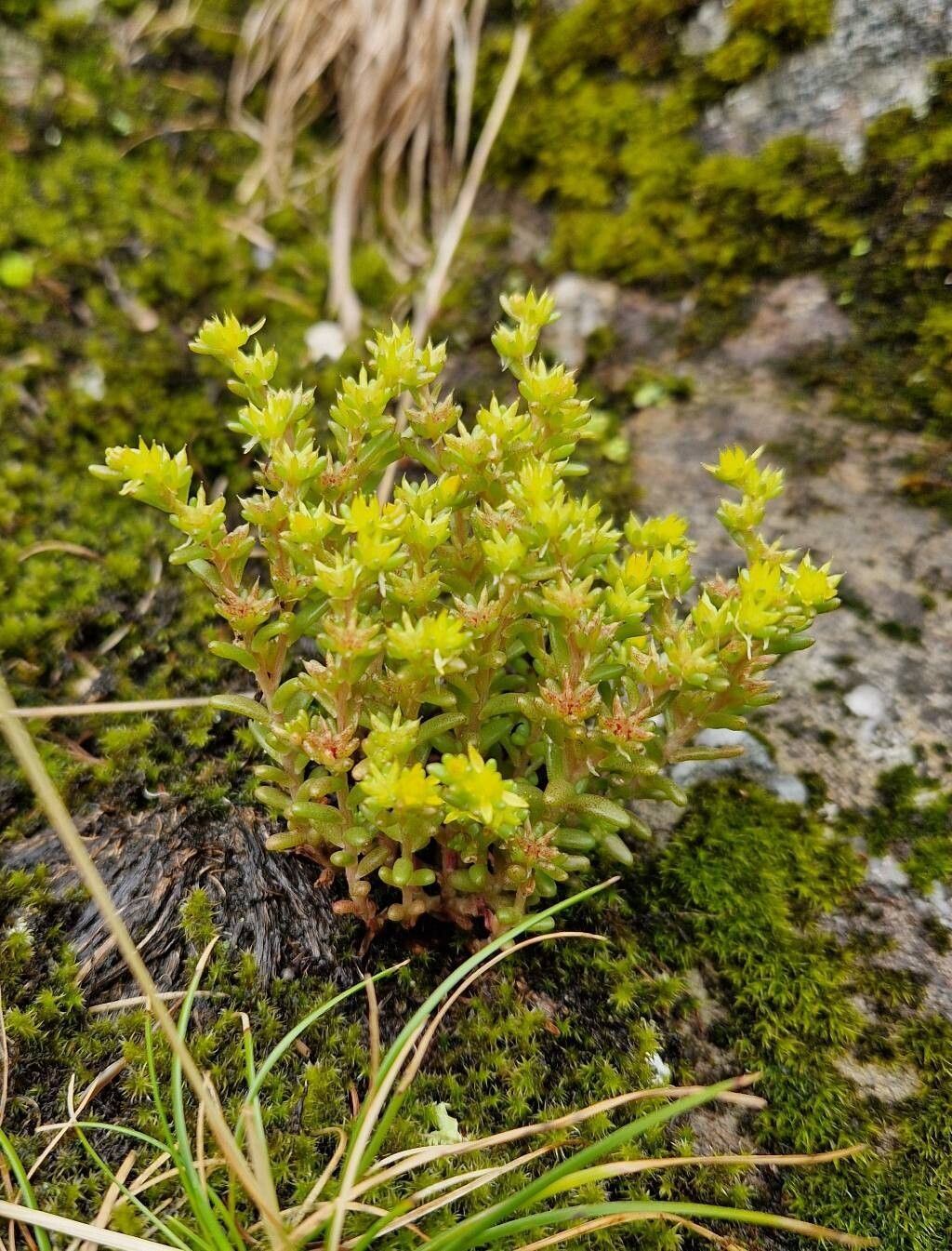
Oh, Sedum annuum! If you’re looking for a little bit of sunshine and a whole lot of resilience in your garden, this is your plant. I’ve been growing and nurturing these beauties for two decades, and honestly, propagating them is one of those incredibly satisfying gardening wins. It’s a stonecrop, which gives you a hint about its toughness – they’re not fussy divas! I’d say for beginners, you’re in for a real treat. Sedum annuum is surprisingly forgiving, making it a fantastic plant to practice your propagation skills on.
The Best Time to Start
For me, the absolute sweet spot for getting Sedum annuum going is late spring or early summer. The days are getting longer, the sun is a bit warmer, and the plant is in its active growing phase. This means it’s full of energy, ready to sprout new roots, and generally just more enthusiastic about getting started. Waiting until the plant has established itself after blooming is also a good bet.
Supplies You’ll Need
You don’t need a fancy laboratory for this! Here’s what I usually have on hand:
- Sharp, clean pruning shears or a knife: For making those clean cuts.
- A gritty, well-draining potting mix: I love a blend of cactus/succulent mix with a bit of perlite or horticultural sand. Good drainage is key here!
- Rooting hormone (optional, but helpful): A little dip can speed things up.
- Small pots or trays: With drainage holes, of course.
- Spray bottle: For gentle watering.
- Labels: So you remember what’s what!
Propagation Methods
Sedum annuum is a master of propagation, and I find two methods work particularly well.
Stem Cuttings
This is my go-to for Sedum annuum.
- Take your cuttings: On a healthy, well-established plant, use your clean shears to cut off pieces of stem about 3-4 inches long. Try to take cuttings with a few leaves on them.
- Remove lower leaves: Gently pluck off the leaves from the bottom inch or so of each stem. This is important for preventing rot where the stem will be in the soil.
- Let them callus: This is a crucial step for succulents! Lay the cuttings out on a dry surface, away from direct sun, for a few days (2-5 days). You want the cut end to dry and form a little protective scab. This dramatically reduces the risk of rot.
- Plant them up: Once callused, dip the cut end in rooting hormone if you’re using it. Then, insert the cut end into your prepared, gritty potting mix, about an inch deep.
- Water gently: Lightly mist the soil with your spray bottle. Don’t drench it.
Division
If you have a larger, mature Sedum annuum clump, division is a wonderfully efficient way to get more plants.
- Gently dig up the plant: In spring, carefully lift the entire clump from the soil. You want to disturb the roots as little as possible.
- Separate the divisions: Gently tease apart the root ball with your hands. You’re looking for sections that have both roots and stems. If it’s a bit stubborn, you can use your knife to help. Each division should have a decent root system.
- Replant: Plant each division into new pots or directly into their new garden spots, just as they were before. Water them in again.
The “Secret Sauce” (Pro Tips)
Here are a few little tricks I’ve picked up over the years that make a big difference.
- Don’t be tempted to overwater early on. This is the biggest killer of succulent cuttings. Wait until you see those calluses formed, and even then, water sparingly. Let the plants tell you when they’re thirsty by looking a little less plump.
- Bottom heat is your friend. If you can, place your pots or trays on a seedling heat mat. This gentle warmth from below really encourages root development. It’s like giving them a cozy incubator!
- Give them a bit of air circulation. While you want to prevent them from drying out completely, stagnant, humid air can encourage fungal issues. A gentle fan on a low setting can be beneficial, especially in a greenhouse or indoors.
Aftercare & Troubleshooting
Once you see new growth starting to emerge from the cuttings, you know roots are forming! That’s your cue to start watering a little more regularly, but still always let the soil dry out between waterings. For divided plants, keep them consistently moist for the first week or two until they’ve settled in.
The most common issue you might encounter is rot. This looks like a mushy, discolored stem, usually at the soil line. It’s almost always from too much moisture and a lack of callusing. If you see it, sadly, that cutting is likely a goner, but don’t despair! Just try again with the callusing step. Another sign of failure can be the cuttings shriveling up completely without any signs of rooting. This might mean they dried out too much before they could establish roots, or they simply weren’t viable cuttings to begin with.
A Encouraging Closing
See? It’s not rocket science! Propagating Sedum annuum is a wonderfully rewarding process. Be patient with your little green babies. Not every cutting will make it, and that’s completely normal. The joy is in the trying, the learning, and eventually, in seeing those tiny new plants thrive. So grab your shears, get your hands dirty, and enjoy the magic of new life in your garden!
Resource:
https://identify.plantnet.org/k-world-flora/species/Sedum%20annuum%20L./data