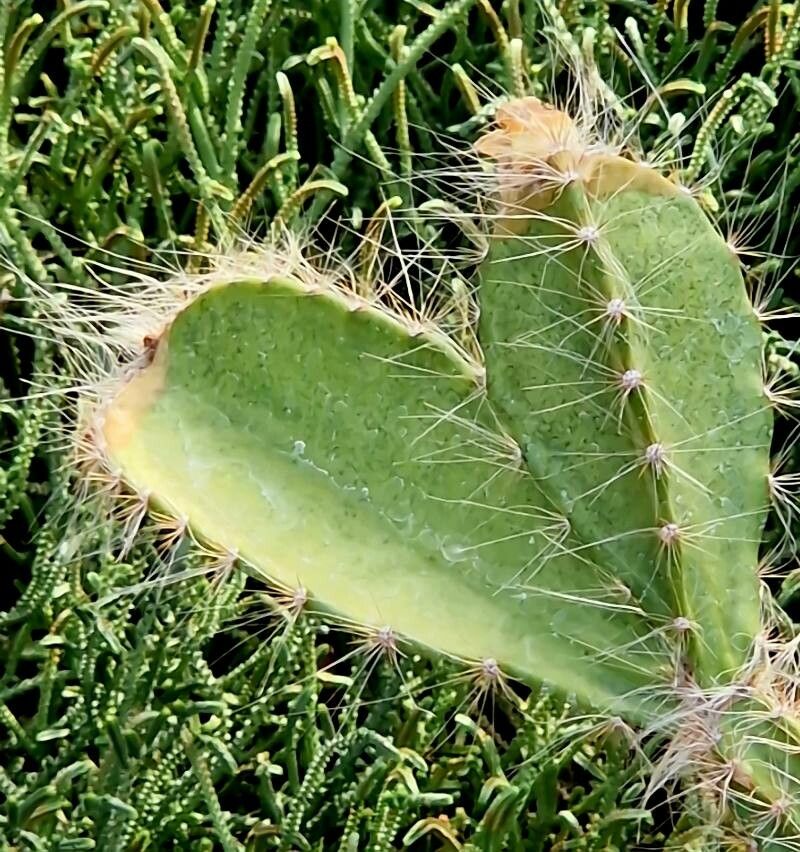
Oh, hello there! I’m so glad you’ve stumbled upon my little corner of the internet. Today, we’re going to talk about a truly special plant: Weberocereus frohningiorum. If you’re looking for a touch of the exotic and a bit of a conversation starter in your home, then this epiphyte cactus is right up your alley. Its delicate, trailing stems, often adorned with stunning, night-blooming flowers, are just enchanting. And guess what? You can easily multiply this beauty yourself! Propagating Weberocereus frohningiorum is a wonderfully rewarding process, though I’ll be honest, it’s not one of the absolute easiest for a complete beginner. It requires a bit of patience and attention to detail, but with these tips, I’m confident you’ll have success.
When to Get Your Hands Dirty
The best time to get busy propagating your Weberocereus frohningiorum is during its active growing season. For us, here in the Northern Hemisphere, that generally means spring through early to mid-summer. You’ll want to work with healthy, mature stems that are actively producing new growth. Avoid taking cuttings from weak or stressed plants.
Gathering Your Toolkit
Before we dive in, let’s make sure you have everything you need. A little preparation goes a long way!
- Sharp Pruning Shears or a Clean Knife: For making clean cuts. Sterilize them before and after use!
- Rooting Hormone (Optional but Recommended): A powder or gel can significantly boost your success rate.
- A Well-Draining Potting Mix: A cactus and succulent mix is a good start. I like to amend mine with extra perlite or orchid bark for even better aeration.
- Small Pots or Seed Starting Trays: Whatever you plan to root your cuttings in. Make sure they have drainage holes!
- Watering Can with a Fine Rose: For gentle watering.
- Plastic Bag or Mini Greenhouse (Optional): To maintain humidity around your cuttings.
- Labels: Trust me, you’ll want to know what you’ve propagated and when!
Bringing New Life: Propagation Methods
There are a couple of tried-and-true ways to get more Weberocereus frohningiorum. Here’s how I do it.
Stem Cuttings: My Go-To Method
This is by far the most common and effective way to propagate this plant.
- Select Your Cutting: Choose a healthy stem that is at least 4-6 inches long. Look for a section that has a few nodes (where leaves or aerial roots emerge).
- Make the Cut: Using your sterilized shears or knife, make a clean cut just below a node.
- Callous Over: This is a crucial step for cacti! Let the cut end of your stem cutting dry and callous over for a few days to a week. You can do this by placing it in a dry, bright spot out of direct sun. This prevents rot when you plant it.
- Apply Rooting Hormone (Optional): Once calloused, dip the cut end into your rooting hormone powder or gel. Tap off any excess.
- Plant Your Cutting: Fill your small pot with your well-draining mix. Make a hole in the center with your finger or a pencil. Gently insert the calloused end of the cutting into the hole, ensuring at least one node is buried. Firm the soil around it.
- Water Sparingly: Water very lightly, just enough to moisten the soil. You don’t want it soggy at this stage.
Water Propagation: A Visual Treat
I sometimes use this method for shorter stem pieces, as it’s fun to watch the roots develop.
- Prepare the Cutting: Make your clean cut as described above. You don’t have to wait for it to callous for water propagation, but it can still help.
- Place in Water: Snip off any lower leaves that would be submerged. Place the cutting in a jar or glass of clean water, ensuring that only the cut end touches the water. If leaves are in the water, they will rot very quickly.
- Location: Keep it in a bright spot with indirect light.
- Change Water Regularly: Change the water every few days to keep it fresh and oxygenated.
- Plant When Rooted: Once you see healthy roots developing, about an inch or so long, it’s time to transplant it into its potting mix following the steps for stem cuttings.
The “Secret Sauce”: My Insider Tips
Over the years, I’ve learned a few tricks that I think make a real difference.
- Bottom Heat is Your Friend: Cacti are desert dwellers at heart, and they love a little warmth from below to encourage roots. I often use a small seedling heat mat under my pots, especially in cooler environments. It’s like a warm hug for those developing roots!
- Don’t Over-Water! This is probably the most common mistake. Cuttings, especially those from epiphytic cacti, are prone to rot if kept too wet. I treat them almost like dormant plants until I see clear signs of new growth. So, err on the side of dry.
- A Humidity Tent Can Be Helpful: While we don’t want soggy soil, a little bit of humidity around the cutting can be beneficial. Once planted, you can cover the pot with a clear plastic bag or pop it into a mini greenhouse. Just make sure to open it daily for a few minutes to allow for air circulation and prevent fungal issues.
Aftercare and Troubleshooting
Once you see those first signs of life – a tiny new shoot or those roots really taking hold – it’s time for a gentle shift in care.
When your cutting has developed a good root system and you see noticeable new growth, you can start treating it more like a mature plant. Gradually introduce it to brighter light (but still avoid intense, direct sun for extended periods as it can scorch young growth). Continue to water sparingly, allowing the potting mix to dry out between waterings.
The most common enemy you’ll face is rot. If your cutting turns mushy, black, or develops a foul smell, it’s likely rotted. This is usually a sign of overwatering or not allowing the cutting to callous properly. If it happens, unfortunately, the cutting is lost. However, don’t let that discourage you! Just clean up your tools, try again, and remember those key steps of callousing and sparse watering. Sometimes, you might see no activity for quite a while. This doesn’t always mean failure; some cacti can be quite slow to root. Just be patient!
Keep Growing!
Propagating Weberocereus frohningiorum is a journey, and like any good gardening endeavor, it’s about learning, observing, and being patient. Don’t be discouraged if your first attempt isn’t perfect. Each try will teach you something new. Enjoy the process of watching these beautiful plants multiply, and soon you’ll have more of these enchanting cacti to share with friends or to fill your home with their unique charm. Happy growing!
Resource:
https://identify.plantnet.org/k-world-flora/species/Weberocereus%20frohningiorum%20Ralf%20Bauer/data