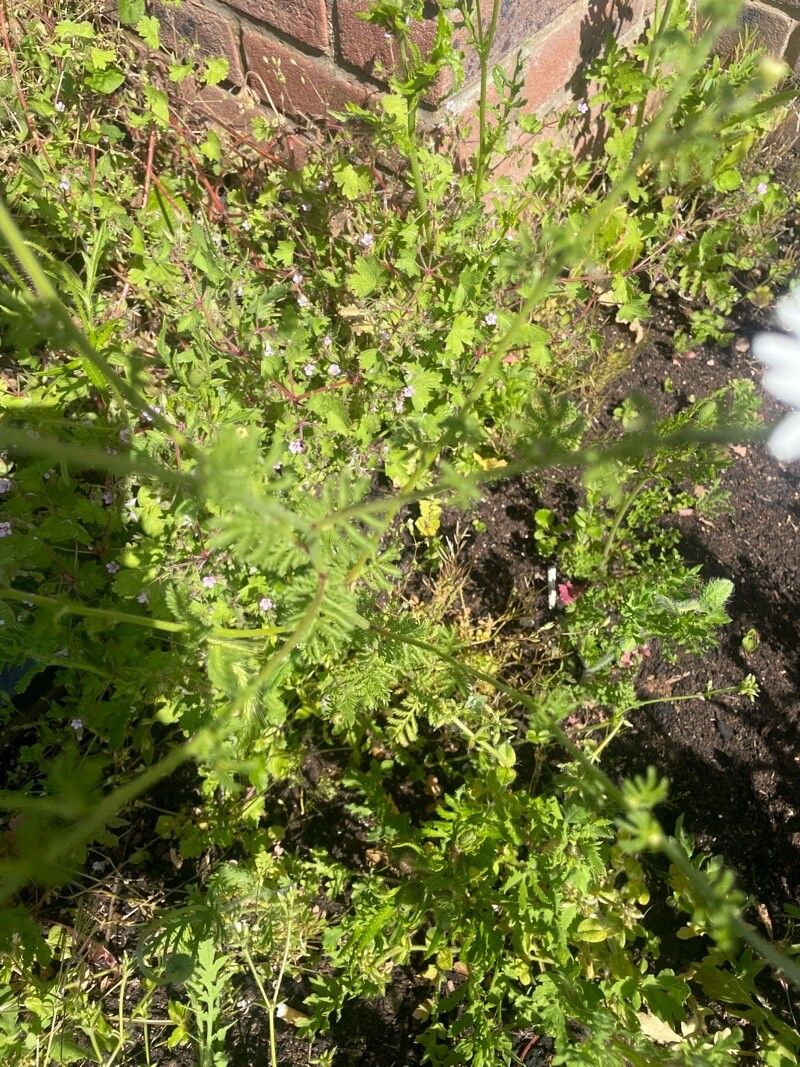
Hello there, fellow plant lovers!
Isn’t Cota austriaca just a delight? Those cheerful, daisy-like blooms always bring a smile to my face. They have a lovely, somewhat delicate appearance, and the way they weave through a garden border is surprisingly elegant. If you’ve admired these beauties, you’ll be happy to know that propagating them is a journey filled with rewarding discoveries. For beginners, I’d say Cota austriaca is quite accessible, offering a good chance of success without too much fuss. It’s a wonderful plant to start with if you’re looking to expand your collection!
The Best Time to Start
To get the most bang for your propagation buck, late spring or early summer is your golden window. This is when the plant is actively growing, full of vigor, and has plenty of healthy new shoots that will readily form roots. Waiting until after the main spring growth spurt ensures you’re working with strong material.
Supplies You’ll Need
Here’s what I keep on hand when I’m ready to propagate my Cota austriaca:
- Sharp, clean pruning shears or a sharp knife: For making nice, clean cuts.
- Rooting hormone (optional but recommended): A powdery or gel form helps encourage root development.
- Small pots or propagation trays: To get your cuttings started.
- Well-draining potting mix: A mix of equal parts peat moss and perlite, or a seed-starting mix, works wonderfully.
- Watering can with a fine rose or a spray bottle: For gentle watering.
- Plastic bags or a propagator lid: To maintain humidity.
- Labels and a marker: So you don’t forget what’s what!
Propagation Methods
While Cota austriaca can be grown from seed, I find stem cuttings to be the most reliable and satisfying method for home gardeners.
Stem Cuttings:
- Select your cuttings: Look for healthy, non-flowering shoots that are about 4-6 inches long. Gently snap or cut them just below a leaf node. A leaf node is where a leaf attaches to the stem; this is where roots like to form!
- Prepare the cuttings: Remove the lower leaves from the stem, leaving just a few at the top. If your cuttings are unusually long, you can even pinch off the very tip to encourage bushier growth later.
- Apply rooting hormone (if using): Dip the cut end of the stem into the rooting hormone, tapping off any excess. This step isn’t always essential for Cota austriaca, but it can speed things up and improve success rates, especially in less-than-ideal conditions.
- Pot them up: Gently insert the prepared cuttings into your prepared potting mix. Make sure the leaf nodes you cleared are buried in the soil. I usually place 2-3 cuttings per small pot, spaced a couple of inches apart.
- Water and cover: Water the mix thoroughly but gently. Then, cover the pots with a plastic bag or place them in a propagator with a lid. This creates a humid environment that prevents the cuttings from drying out while they’re trying to develop roots.
The “Secret Sauce” (Pro Tips)
Here are a couple of tricks I’ve learned over the years that really make a difference:
- Don’t let the leaves touch the water (if water propagating): While I prefer soil for Cota austriaca, if you are trying water propagation, be absolutely sure that only the cut stem is submerged. Any leaves in the water will rot and can infect the cutting, leading to failure.
- Bottom heat is your friend: If you have a heat mat designed for seedlings, placing your propagation trays or pots on it can significantly speed up root development. It mimics the warmth of spring soil really well.
Aftercare & Troubleshooting
Once your cuttings have roots (you can gently tug on them to feel for resistance, or peek at the drainage holes – you might see roots emerge!), it’s time to transition them to their own pots if they aren’t already. Keep them in bright, indirect light and continue to keep the soil consistently moist, but not soggy.
The main thing to watch out for is rot. If your cuttings look limp, mushy, or develop dark spots, it’s a sign of too much moisture and not enough air circulation. If you see rot, gently remove the affected cutting immediately. Sometimes it’s a sign that your potting mix is too heavy or you’re watering too frequently.
A Encouraging Closing
Growing new plants from cuttings is one of the most satisfying aspects of gardening. It’s a testament to the resilience and generosity of nature. Be patient with your new Cota austriaca babies; they take their time to establish themselves. Enjoy the process, celebrate each tiny root, and soon you’ll have a whole garden full of these cheerful blooms! Happy propagating!
Resource:
https://identify.plantnet.org/k-world-flora/species/Cota%20austriaca%20(Jacq.)%20Sch.Bip./data