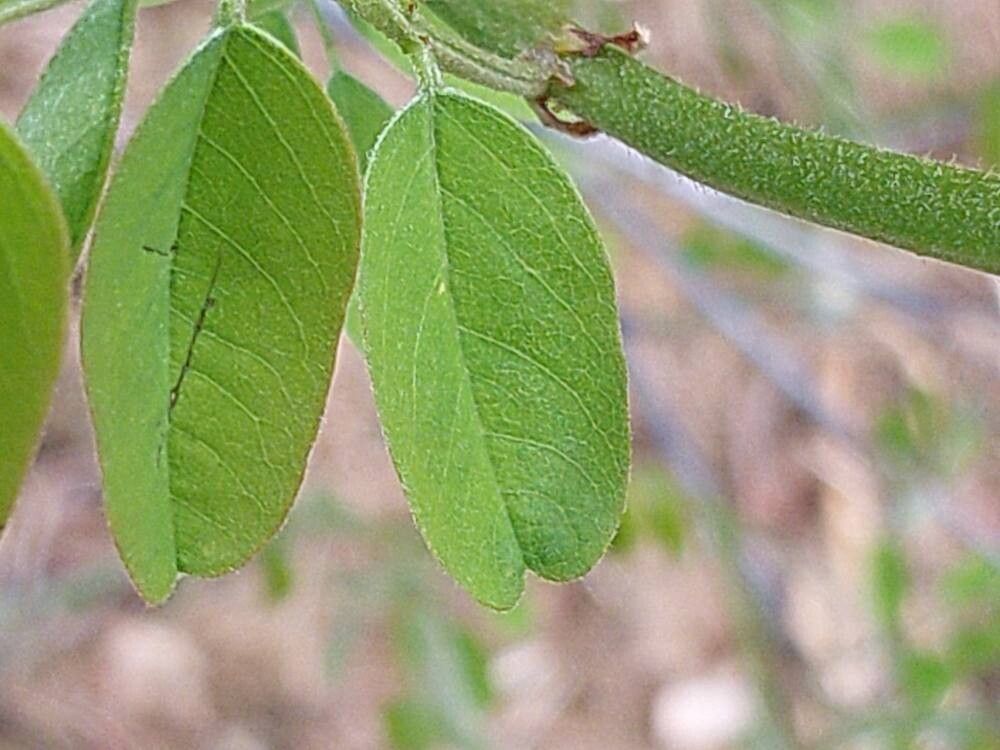
Hello fellow plant lovers! Today, I want to chat about a little gem that’s been capturing my heart lately: Amorpha ouachitensis, often called Ouachita false indigo. If you’re looking for a native shrub that brings a touch of wild beauty and buzz-friendly blooms to your garden, this is it. Its delicate, pea-like purple flowers are a magnet for pollinators, and it’s surprisingly tough once established. Propagating it yourself is such a rewarding way to get more of these beauties for your own space, or even to share with gardening friends. While it’s not rocket science, it does require a little attention to detail, so let’s dive in!
The Best Time to Start
Honestly, for Amorpha ouachitensis, late spring to early summer is your sweet spot. This is when the plant is actively growing after the initial spring burst but hasn’t gotten too woody. You’ll be looking for soft, new growth – think stems that bend easily rather than snapping. This tender material has the best chance of forming healthy roots.
Supplies You’ll Need
Gathering your tools before you start makes the whole process smoother. Here’s what I usually have on hand:
- Sharp pruning shears or a clean knife: For making clean cuts.
- Rooting hormone (optional but helpful): A powder or gel to encourage root development.
- Well-draining potting mix: A good blend of peat moss, perlite, and a bit of garden soil works wonders. You can also use a seed-starting mix.
- Small pots or seed trays: Clean ones are crucial to prevent disease.
- Plastic bags or a propagation dome: To create a humid environment.
- Spray bottle: For misting.
- Labels and a permanent marker: Don’t skip this part!
Propagation Methods
Now, let’s get our hands dirty! For Amorpha ouachitensis, stem cuttings are my go-to method. It’s reliable and gives you a good chance of success.
-
Take Your Cuttings:
- Gently select a stem with that lovely, pliable new growth.
- Using your sharp shears, make a clean cut just below a leaf node (where a leaf attaches to the stem). Aim for cuttings that are about 4-6 inches long. Remove any lower leaves that would be submerged in the pot or soil.
-
Prepare the Cutting:
- If you’re using rooting hormone, dip the cut end of the stem into the powder or gel. Tap off any excess. You don’t want clumps.
-
Plant Your Cuttings:
- Fill your clean pots or trays with the pre-moistened potting mix.
- Make a small hole in the center of the mix with your finger or a pencil.
- Gently insert the cut end of your Amorpha cutting into the hole.
- Firm the soil gently around the base of the cutting to ensure good contact.
-
Create a Humid Environment:
- Water the soil lightly after planting.
- The easiest way to keep humidity high is to cover the pot with a plastic bag (make sure the leaves don’t touch it!) or to place it inside a propagation dome.
The “Secret Sauce”
Here are a couple of things I’ve learned over the years that really make a difference:
- Bottom Heat is Your Friend: While not strictly necessary, placing your pots on a gentle heat mat can significantly speed up root formation. Think of it like a cozy incubator for your cuttings! It encourages root development from the bottom up.
- Don’t Overwater, But Don’t Let Them Dry Out: This is a delicate balance. You want the soil to stay consistently moist but not soggy. Excess moisture can lead to rot. I often check the soil by gently pressing it; if it springs back, it’s probably good. A light misting daily with your spray bottle can help maintain surface humidity without waterlogging the soil.
Aftercare & Troubleshooting
Once your cuttings are happily nestled in their humid homes, patience is key! Keep them in a bright, indirect light location. Avoid direct scorching sun, which can dehydrate them quickly.
You’ll know your cuttings are rooting when you see new leaf growth emerging at the top. You can also gently tug on a cutting; if you feel resistance, roots are forming! This usually takes anywhere from 4-8 weeks, sometimes longer.
The most common issue you might encounter is rot. If a cutting turns brown and mushy, it’s usually a sign of too much moisture and poor air circulation. Unfortunately, once rot sets in, there’s not much you can do. Remove any affected cuttings immediately to prevent it from spreading. If you smell a foul odor, that’s another red flag.
When your Amorpha cuttings have developed a good root system (you might see roots peeking out the drainage holes), it’s time to gradually acclimate them to drier conditions. Remove the plastic bag or dome for a few hours each day, slowly increasing the time until they’re fully uncovered. Then, you can transplant them into slightly larger pots.
A Little Patience Goes a Long Way
Propagating plants is a journey, and Amorpha ouachitensis is no different. There will be times when things don’t quite work out, and that’s okay. Every attempt teaches you something new. Just keep at it, keep observing your plants, and celebrate those tiny victories – like the first new leaf on a cutting! Happy propagating!
Resource:
https://identify.plantnet.org/k-world-flora/species/Amorpha%20ouachitensis%20Wilbur/data