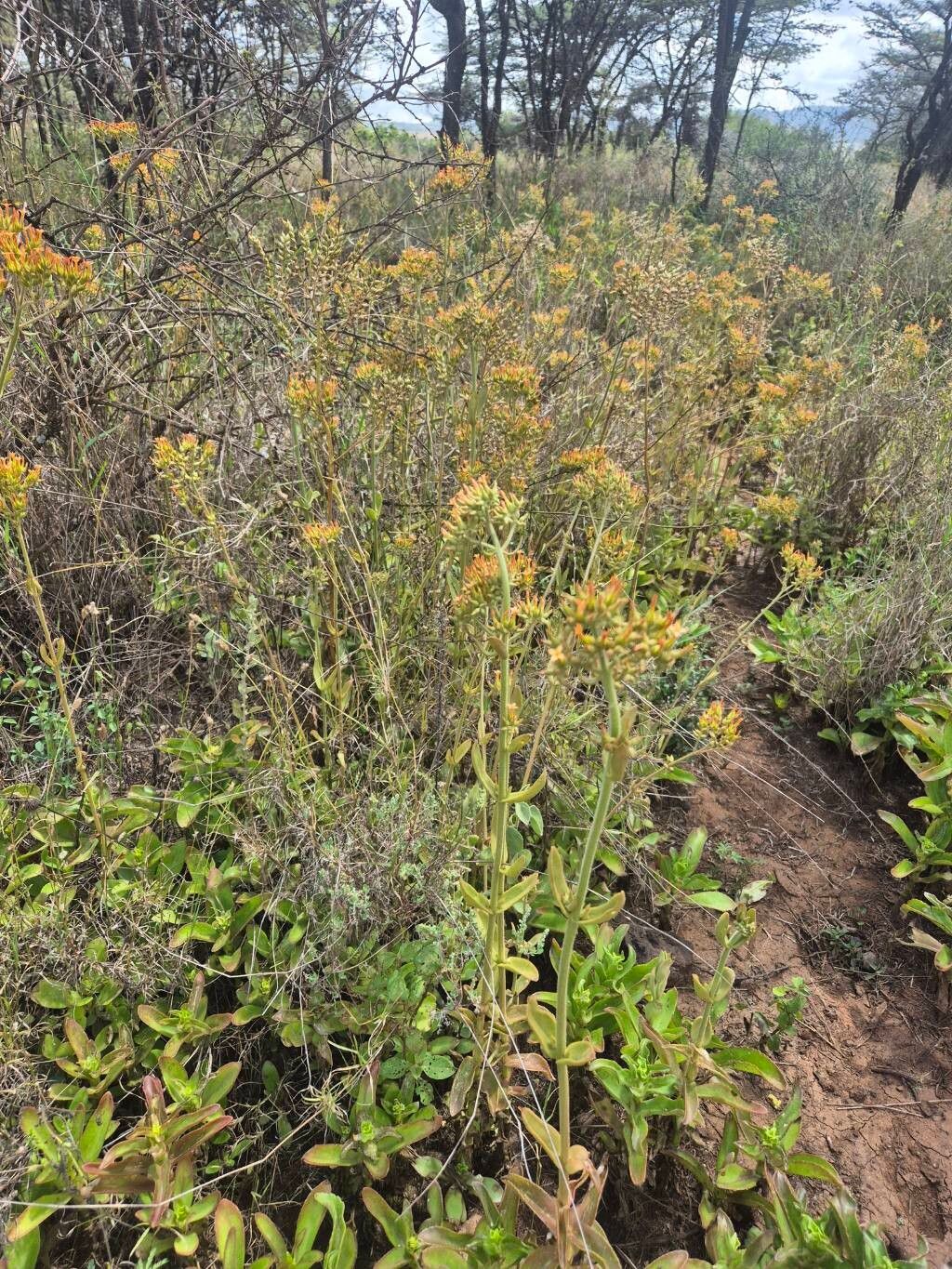
Oh, Kalanchoe lanceolata! If you’re looking for a succulent that’s a bit of a show-off with its architectural leaves and, if you’re lucky, a burst of bright flowers, then this is a great one to have in your collection. Plus, there’s something incredibly satisfying about taking a tiny bit of your favorite plant and coaxing it into a whole new life. And guess what? For beginners, propagating Kalanchoe lanceolata is surprisingly forgiving. You’ll be making new plants in no time!
The Best Time to Start
When it comes to getting the best bang for your propagation buck, late spring or early summer is your sweet spot. This is when the plant is actively growing, so it’s usually brimming with energy. You’ll find taking cuttings then means they’re more likely to root quickly. Trying to propagate when the plant is dormant, like in the dead of winter, will just be a slower, less successful endeavor.
Supplies You’ll Need
To get your Kalanchoe propagation party started, you’ll want to gather a few things:
- Clean, sharp pruning shears or a knife: For taking neat cuttings. A dull blade can crush the stem and invite disease.
- A well-draining potting mix: I usually mix regular potting soil with a good amount of perlite or coarse sand. You can also find specialized succulent or cactus mixes.
- Pots or shallow trays: Small terracotta pots are my go-to because they breathe well. Seedling trays work too.
- Watering can or spray bottle: For gentle hydration.
- Rooting hormone (optional but helpful): A little sprinkle can speed things up.
- A small trowel or spoon: For gently placing cuttings into the soil.
Propagation Methods
Kalanchoe lanceolata is a trooper and can be propagated in a couple of easy ways.
Stem Cuttings: The Most Reliable Way
This is my absolute favorite and usually the most successful method for Kalanchoe lanceolata. Let’s dive in:
- Take Your Cuttings: With your clean shears, snip off healthy stems. Aim for pieces that are about 3-5 inches long. You can take several from one plant.
- Let Them Callus: This is crucial! Don’t rush to stick them in soil. Lay the cuttings on a dry paper towel or a clean surface in a bright spot (but out of direct sun) for 2-7 days. You want the cut end to dry and form a protective callus. This prevents rot when you plant them.
- Prepare the Pots: Fill your chosen pots with your well-draining potting mix. Give it a light watering so it’s just moist, not soggy.
- Plant the Cuttings: Dip the callused end of each cutting into rooting hormone, if you’re using it. Then, gently push the cut end about an inch into the soil. Make sure the leaves aren’t buried. If your cutting is top-heavy, you can use chopsticks or skewers to help prop it up.
- Give Them Space: If you’re planting multiple cuttings in one pot or tray, give them a little breathing room.
Water Propagation: A Visual Treat
While stem cuttings in soil work wonders, you can also try rooting in water. It’s fun to watch the roots develop!
- Prepare Your Cuttings: Follow steps 1 and 2 above (take cuttings and let them callus).
- Find a Vessel: Use a clean glass jar or vase.
- Add Water: Fill the jar with fresh water.
- Submerge Just the Ends: Place the callused cuttings in the water, making sure only the cut ends are submerged. You absolutely do not want any of the leaves touching the water, as this can lead to rot.
- Find a Bright Spot: Place your water propagation setup in bright, indirect light.
- Change the Water: Change the water every few days to keep it fresh and prevent bacterial growth.
The “Secret Sauce” (Pro Tips)
Having gardened for a while, I’ve picked up a few little tricks that seem to make all the difference:
- Bottom Heat is Your Friend: If you can, place your pots or trays on a heating mat, especially if you’re propagating in cooler weather. This gentle warmth encourages roots to form much faster. Just set it to a low setting.
- Don’t Over-Water: Seriously, this is the most common mistake. Succulents hate soggy feet. For soil propagation, water only when the top inch or two of soil feels dry. For water propagation, remember to change the water regularly and ensure no leaves are submerged.
- Patience, Young Grasshopper: I know it’s exciting, but resist the urge to constantly tug on your cuttings to see if they have roots. You could damage the new growth. Instead, wait for obvious signs of growth – new leaves appearing or a bit of resistance when you gently tug.
Aftercare & Troubleshooting
Once you see signs of life – new little leaves or a bit of rooting in water – it’s time for their next stage.
- For Water Cuttings: When your water-rooted cuttings have roots about an inch long, it’s time to move them to soil. Gently plant them in your well-draining mix as described above.
- For Soil Cuttings: Continue to water sparingly, only when the soil is dry. Once you see new growth, you know they’ve rooted. You can gently repot them into slightly larger containers if they are getting crowded.
- Troubleshooting Rot: The biggest enemy of Kalanchoe propagation is rot. If you notice your cuttings turning black, mushy, or looking generally sad and wilting, it’s likely rot. This usually comes from too much moisture. Unfortunately, if rot sets in, it’s very difficult to save. Prevention is key! Always let cuttings callus and water sparingly.
A Little Encouraging Word
So there you have it! Propagating Kalanchoe lanceolata is a wonderfully rewarding process that’s quite forgiving. Don’t be discouraged if your first attempt isn’t perfect. Every gardener has had their share of ‘learning experiences.’ Just remember to be patient, keep it on the drier side, and enjoy watching those little bits of green transform into thriving new plants. Happy propagating!
Resource:
https://identify.plantnet.org/k-world-flora/species/Kalanchoe%20lanceolata%20(Forssk.)%20Pers./data