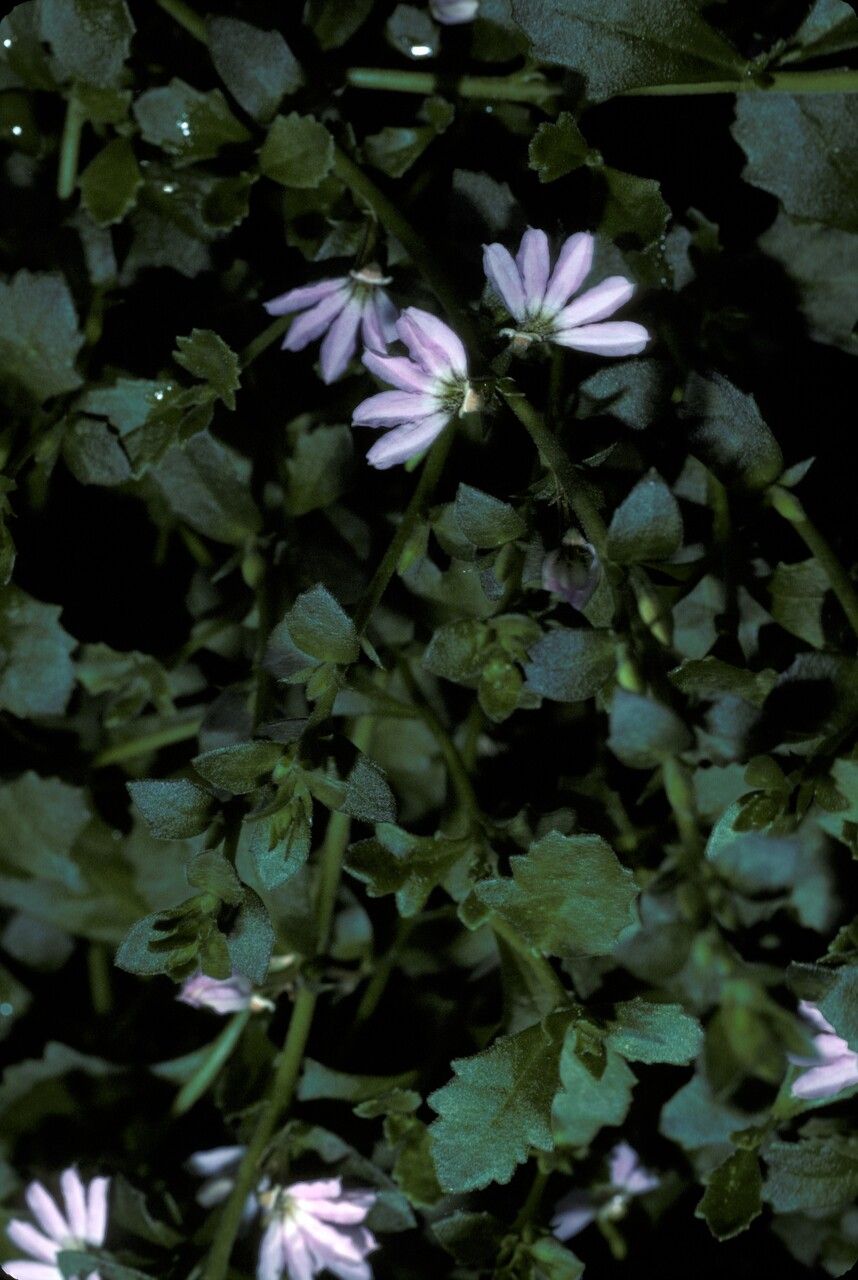
Hey there, fellow garden lovers! Today, I want to chat about a plant that has truly stolen my heart: Scaevola striata, also known as the Fan Flower. If you’ve ever seen these beauties cascading over a garden wall or spilling out of a hanging basket, you know what I’m talking about. That delicate, fan-shaped bloom in shades of blue, purple, or white… it’s just gorgeous. And the best part? It’s wonderfully rewarding to propagate your own. For those of you just starting out, I think you’ll find Scaevola to be a rather pleasant plant to work with. It’s not overly fussy, and seeing those little roots emerge is pure gardening joy.
The Best Time to Start
I find the late spring to early summer is usually the sweet spot for propagating Scaevola. Think about when your plants are actively growing, putting out lots of fresh, healthy shoots. That’s your cue! You want to take cuttings from stems that are firm but not yet woody. Soft, floppy stems are unlikely to root, and old, tough stems can be a bit stubborn.
Supplies You’ll Need
To give your little Scaevola babies the best start, gather these essentials:
- Sharp pruning shears or a clean knife: For taking neat cuttings.
- Rooting hormone (optional, but recommended): This really boosts success rates. I like a powder or gel.
- A well-draining potting mix: A mix of equal parts perlite and peat moss or coco coir works wonderfully. You can also use a commercial seed starting mix.
- Small pots or trays: Clean ones, of course!
- A plastic bag or propagator lid: To create a humid environment.
- Watering can with a fine rose: Gentle watering is key.
- Labels and a marker: So you don’t forget what you’ve planted where!
Propagation Methods
I’ve had the most luck with stem cuttings, and it’s a straightforward process. Here’s how I do it:
- Select Your Cuttings: Look for healthy, non-flowering stems on your parent plant. You want pieces that are about 4-6 inches long.
- Make the Cut: Using your clean shears or knife, make a clean cut just below a leaf node. This is the little bump on the stem where a leaf grows. New roots love to emerge from these spots.
- Prepare the Cutting: Gently remove the lower leaves from the cutting. You want to leave just a few at the top. This prevents them from rotting in the soil or water.
- Apply Rooting Hormone (Optional): If you’re using rooting hormone, dip the cut end of the stem into the powder or gel. Tap off any excess.
- Plant the Cuttings: Fill your pots or trays with your prepared potting mix. Make a small hole in the center of each, and insert the cut end of your Scaevola stem. Gently firm the soil around it. I usually pop 3-4 cuttings into a small pot, giving them a little space.
- Water Gently: Water the soil thoroughly but gently. You want it moist, not waterlogged.
- Create Humidity: Cover the pot or tray with a plastic bag or a propagator lid. This creates a mini-greenhouse effect, keeping the humidity high, which is crucial for cuttings to root. Make sure the leaves don’t touch the plastic if possible.
The “Secret Sauce”
Here are a couple of tricks I’ve picked up over the years that can really help your Scaevola cuttings along:
- Bottom Heat is Your Friend: If you have a seedling heat mat, popping your pots on it can make a world of difference. That gentle warmth encourages root development much faster.
- Don’t Overwater! I know I said moist, but it bears repeating. Soggy soil is the quickest way to invite rot, and that’s a death sentence for cuttings. Stick your finger in the soil – if it feels damp, hold off on watering.
Aftercare & Troubleshooting
Once your cuttings are planted, place them in a bright spot out of direct sunlight. You’ll want to keep that humidity high by misting the leaves occasionally and ensuring the soil stays consistently moist but not soggy.
Give it some time! It can take anywhere from 3 to 6 weeks for you to see signs of rooting. You’ll know they’re ready when you see new leaf growth. You can also give a gentle tug on a cutting – if there’s resistance, roots have formed.
Now, for the troubleshooting. The most common issue you’ll encounter is rot. If a cutting turns black and mushy, it’s unfortunately a goner. This is almost always due to overwatering or poor air circulation. If you see signs of mold, try to increase ventilation slightly by propping open the plastic cover a bit. Also, ensure your soil mix is draining well; a bit more perlite can help.
A Rewarding Endeavor
Propagating Scaevola is such a wonderful way to expand your garden collection without spending a fortune. It’s a process that requires a little patience, a touch of observation, and a whole lot of hope. Don’t be discouraged if not every cutting takes. Gardening is all about learning and trying. Enjoy the journey, and soon you’ll have your very own beautiful Fan Flowers to share! Happy propagating!
Resource:
https://identify.plantnet.org/k-world-flora/species/Scaevola%20striata%20R.Br./data