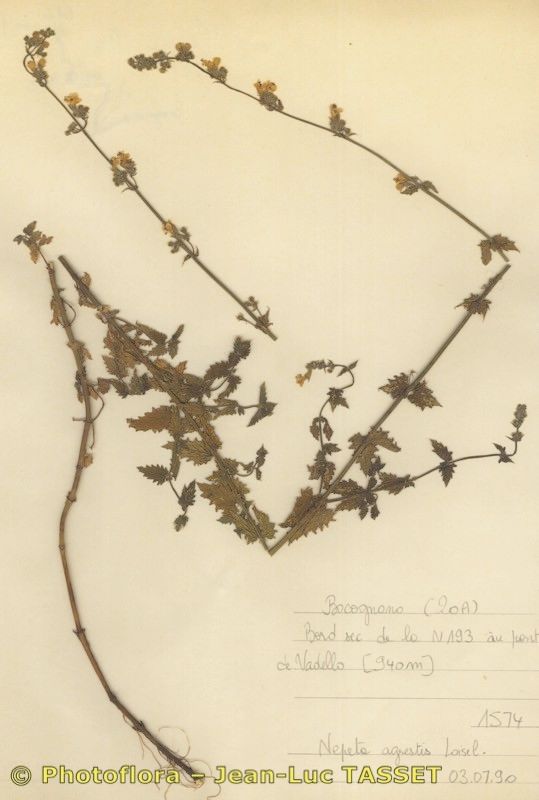
Hey there, fellow garden lovers! I’m so excited to chat with you today about one of my absolute favorite plants: Nepeta agrestis. You know, that delightful little catmint that carpets the ground with its sweet, almost minty fragrance and waves of delicate purple flowers? It’s a magnet for bees and butterflies, a joy to walk past on a sunny afternoon, and honestly, it just makes your garden feel more alive.
And the best part? Propagating Nepeta agrestis is wonderfully rewarding, and I’m here to tell you it’s a fantastic plant for beginners. Seriously, if you’re just dipping your toes into the world of plant parenting, this is a perfect starting point. You’ll be amazed at how easily you can create more of these beauties to share or expand your own garden.
The Best Time to Start
My go-to time for propagating Nepeta agrestis is late spring to early summer. This is when the plant is actively growing, which means it’s full of life and energy, ready to put down new roots. You want to catch it before it gets too stressed by extreme heat or starts winding down for the season. Look for healthy, non-flowering shoots – these are your prime candidates for cuttings!
Supplies You’ll Need
Before we get our hands dirty, let’s gather our essentials. You don’t need much, but having the right tools makes all the difference:
- Sharp Pruning Shears or a Clean Knife: For taking clean cuttings.
- Rooting Hormone (Optional but Recommended): A little sprinkle can really boost your success rate.
- Small Pots or Seed Trays: Clean ones, please!
- Well-Draining Potting Mix: I usually use a mix of equal parts peat moss and perlite, or a good quality seed-starting mix.
- Watering Can with a Fine Rose: To avoid disturbing your new cuttings.
- Plastic Bag or Humidity Dome: To create a mini greenhouse effect.
- Labels: So you don’t forget what you planted where!
Propagation Methods
Now for the fun part! Nepeta agrestis is a champion at reproducing, and I find stem cuttings to be the most reliable method.
Stem Cuttings:
- Take Your Cuttings: In late spring or early summer, choose healthy, non-flowering stems. Using your sharp shears, take cuttings that are about 4-6 inches long. Make your cut just below a leaf node (where the leaves attach to the stem).
- Prepare the Cuttings: Gently remove the lower leaves from the cutting, leaving just a few at the top. This prevents them from rotting when buried.
- Apply Rooting Hormone (if using): Dip the cut end into your rooting hormone powder, tapping off any excess.
- Plant the Cuttings: Fill your small pots with your well-draining potting mix. Make a small hole in the center of the soil with your finger or a pencil. Insert the cut end of the Nepeta cutting into the hole, gently firming the soil around it.
- Water and Cover: Water the soil gently until it feels moist but not waterlogged. Then, cover the pots with a plastic bag or a humidity dome, ensuring the leaves don’t touch the plastic if possible. This keeps the moisture in and creates a humid environment, which is crucial for rooting.
The “Secret Sauce” (Pro Tips)
Here are a couple of things I’ve learned over the years that really give your cuttings a fighting chance:
- Bottom Heat is Your Friend: If you can, place your pots on a heat mat designed for seedlings. This gentle warmth from below encourages root development much faster than ambient room temperature alone. It’s a game-changer!
- Don’t Overwater! I know it sounds counterintuitive, but soggy soil is the quickest way to rot your cuttings before they even have a chance to root. The goal is consistently moist, not wet. Let the surface of the soil dry out slightly between waterings.
Aftercare & Troubleshooting
Once your cuttings are planted, place them in a bright spot that receives indirect sunlight. Direct sun can scorch those tender new leaves. Keep them consistently moist (remember, not soggy!) and watch them closely.
After a few weeks, you should start to see signs of life! Tiny new leaves unfurling at the top or a gentle tug on the cutting revealing some resistance are good indicators that roots have formed. You’ll know for sure when you can gently pull the cutting and feel it holding firm.
The most common issue you might encounter is rot. If you see stems turning mushy or black, unfortunately, that cutting is likely lost. This is usually a sign of too much moisture. If you see this happening, remove the affected cutting immediately. You can try improving air circulation around the remaining cuttings by removing the plastic bag for a few hours a day.
A Encouraging Closing
Propagating Nepeta agrestis is such a simple pleasure, and seeing those tiny roots form is truly a thrill. Be patient with your little plant babies; they’re working hard! Don’t be discouraged if not every cutting takes – it happens to us all. Just enjoy the process, learn as you go, and soon you’ll have a garden overflowing with this lovely, fragrant delight. Happy gardening!
Resource:
https://identify.plantnet.org/k-world-flora/species/Nepeta%20agrestis%20Loisel./data