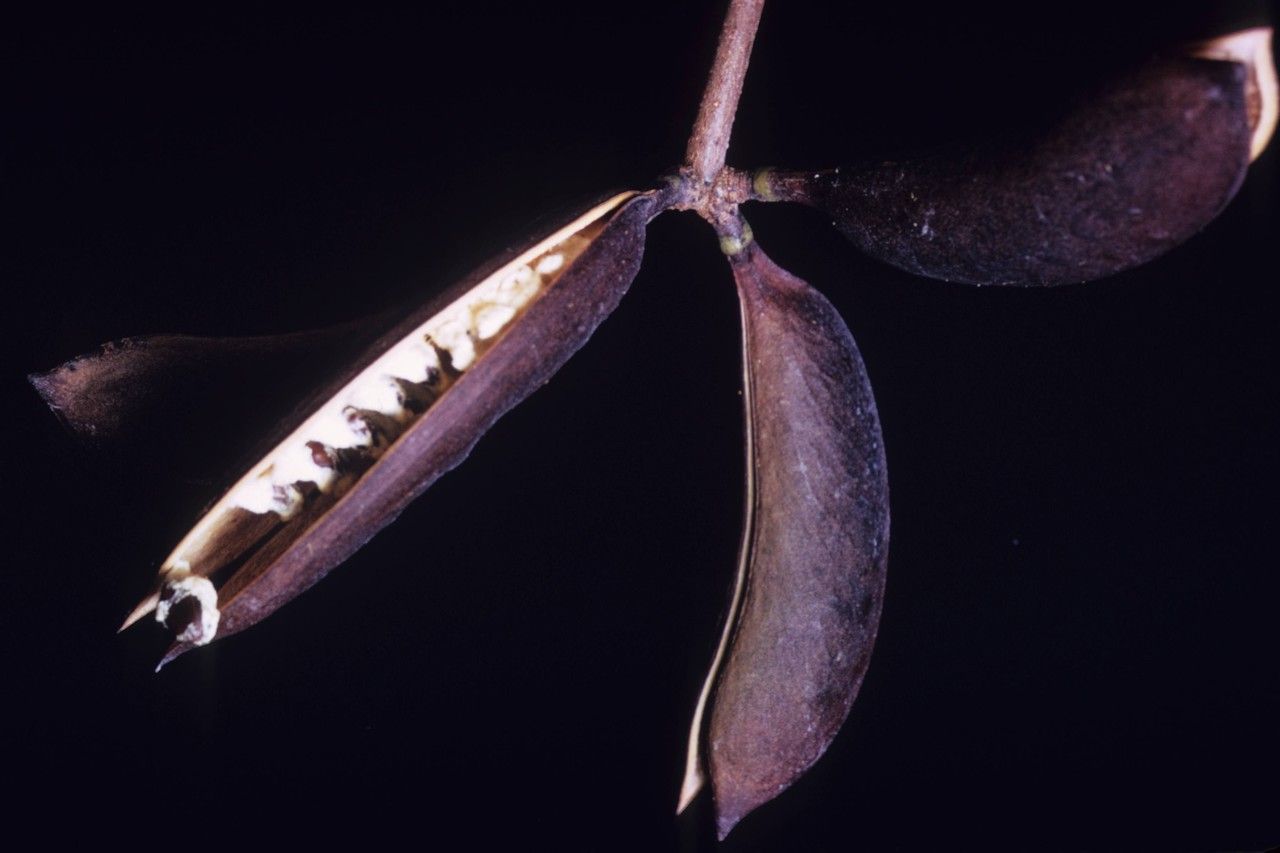
Hello plant pals! It’s so lovely to connect with you again. Today, we’re diving into the wonderful world of Vachellia choriophylla, often called the Curly Acacia. Just picture it: delicate, fern-like foliage, and when it blooms, a cloud of fuzzy, golden pom-poms! It’s a real showstopper and brings a touch of the exotic right to your own garden or patio.
For those of you looking to expand your collection without heading back to the nursery, propagating your own Vachellia choriophylla is incredibly rewarding. And I’m happy to say, it’s a process that’s surprisingly accessible, even for those just starting their plant journey. You’ll feel such a sense of pride watching these little ones grow from simple cuttings.
The Best Time to Start
When it comes to getting the highest success rate, spring and early summer are your golden ticket. This is when the plant is actively growing and has the energy to put towards developing roots. Look for stems that are firm but not yet woody. Think of them as being in their prime, ready to embrace new life.
Supplies You’ll Need
Gathering your tools beforehand makes the whole process smoother. Here’s what I usually have on hand:
- Sharp Pruning Shears or a Clean Knife: Essential for making clean cuts, which helps prevent disease and encourages better rooting.
- Potting Mix: A well-draining mix is key. I like to use a blend of perlite, coco coir, and a bit of compost. A cactus or succulent mix can also work well in a pinch.
- Small Pots or Seedling Trays: These don’t need to be large, as the cuttings will be small. Make sure they have drainage holes!
- Rooting Hormone (Optional but Recommended): This can give your cuttings a significant boost in rooting. Look for a powder or gel formulation.
- Watering Can with a Fine Rose or a Spray Bottle: For gentle watering.
- Clear Plastic Bag or a Propagator Lid: To create a humid environment for the cuttings.
- Labels and a Marker: To keep track of your plants!
Propagation Methods: Stem Cuttings
This is my go-to method for Vachellia choriophylla because it’s efficient and gives you multiple new plants from one parent.
- Select Your Cuttings: In spring or early summer, choose healthy, vigorous stems that are about 4-6 inches long. Look for stems that are semi-hardwood – they should bend slightly without snapping easily but aren’t completely soft and pliable. Gently twist or cut the stem just below a leaf node (the point where a leaf attaches to the stem). This is where roots are most likely to form.
- Prepare the Cuttings: Carefully remove the lower leaves from the stem, leaving only a few at the top. This reduces water loss and prevents leaves from rotting in the soil. If the leaves are very large, you can even cut them in half.
- Apply Rooting Hormone (If Using): Dip the cut end of the stem into your rooting hormone. Tap off any excess.
- Plant Your Cuttings: Fill your small pots with your prepared potting mix. Make a small hole with your finger or a pencil and insert the cut end of the cuttings into the soil. Gently firm the soil around the base of the cutting to ensure good contact.
- Water Gently: Water the soil lightly so it’s moist but not waterlogged.
- Create Humidity: Cover each pot with a clear plastic bag or place them in a propagator with a lid. This traps moisture and creates the humid environment new cuttings need to thrive. Make sure the leaves don’t touch the plastic if possible, as this can encourage rot.
- Find a Warm Spot: Place the pots in a warm location with bright, indirect light. Avoid direct sunlight, which can scorch the delicate cuttings.
The “Secret Sauce” (Pro Tips)
Over the years, I’ve learned a few tricks that can really make a difference.
- Bottom Heat is Your Friend: If you can, use a heat mat designed for seedlings. This provides gentle warmth to the base of your cuttings, which significantly encourages root development. It’s like a cozy little spa for your propagating stems!
- Don’t Rush the Water: When watering your cuttings, err on the side of caution. It’s better to have slightly dry soil that you can re-moisten than soil that’s constantly soggy, which can lead to root rot. I often let the surface of the soil just start to feel dry before watering again.
- Air Circulation Matters: While you want humidity, you also need some airflow to prevent fungal diseases. If you’re using a plastic bag, open it for a few minutes each day to let fresh air circulate.
Aftercare & Troubleshooting
Once you see new growth appearing at the top of your cuttings, that’s a great sign that roots are forming! You can gently tug on a cutting – if there’s resistance, you likely have roots.
- Acclimatize: Gradually remove the plastic bag or propagator lid over a week or two. This helps the new plant adjust to normal humidity levels.
- Regular Watering: Continue to water when the top inch of soil feels dry.
- Light: Keep your new plants in bright, indirect light.
Now, what if things don’t go as planned? The most common culprit is rot. If your cuttings turn black and mushy instead of showing signs of rooting, it’s usually a sign of too much moisture and not enough airflow. This is why well-draining soil and careful watering are so crucial. Don’t be discouraged if some don’t make it; propagation is a learning process, and even experienced gardeners have casualties!
A Little Patience Goes a Long Way
Propagating Vachellia choriophylla is a truly fulfilling endeavor. It connects you more deeply with your plants and allows you to share their beauty with others. Be patient with the process, celebrate the small victories, and most importantly, enjoy the journey of watching these little bits of life take root and flourish. Happy propagating, everyone!
Resource: