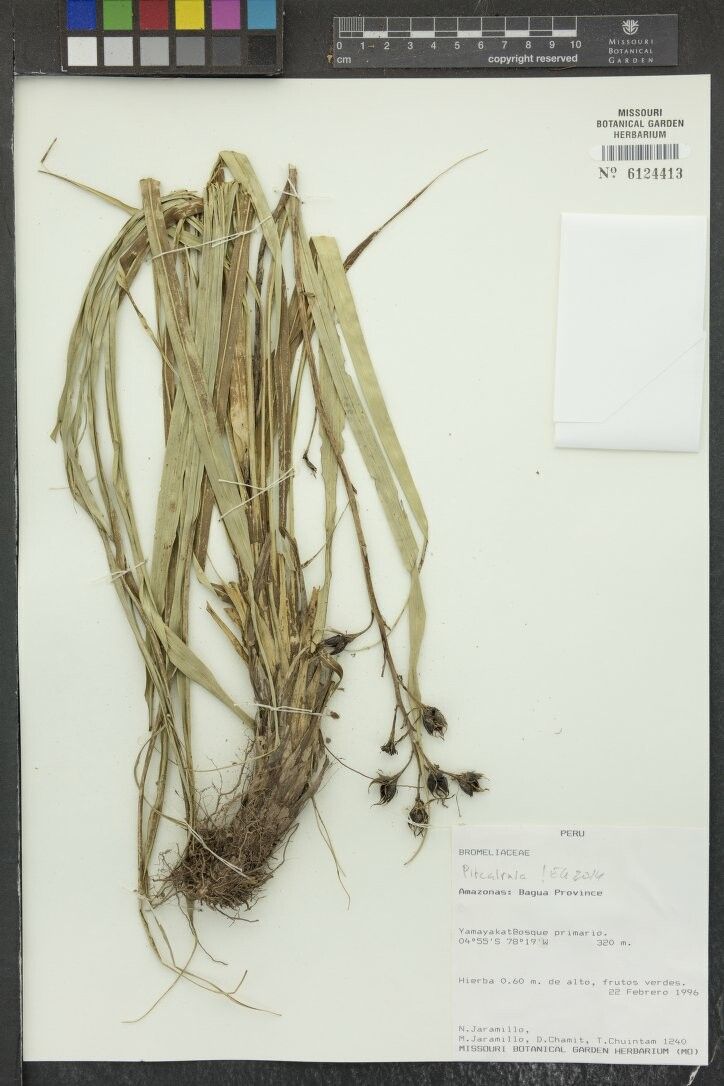
Hello fellow plant lovers! If you’ve ever admired the striking foliage of Pitcairnia uaupensis, with its architectural leaves and intriguing beauty, you’re in for a treat. This bromeliad relative isn’t your typical flowering plant, and propagating it can feel like a true gardening adventure. For those just starting out, I’d say Pitcairnia uaupensis leans towards the moderately challenging side. It requires a bit of patience and understanding, but the reward of growing your own is absolutely worth it. Trust me, when you see that first new plantlet unfurl, you’ll feel like a horticultural wizard!
The Best Time to Start
Timing is everything, isn’t it? For Pitcairnia uaupensis, the spring and early summer are your golden windows. This is when the plant is actively growing after its winter rest, meaning it has more energy to dedicate to producing healthy offsets. You’re looking for the parent plant to be well-established and showing signs of vigor.
Supplies You’ll Need
Before we get our hands dirty, let’s gather our tools. You won’t need anything too fancy, but having these on hand will make the whole process smoother.
- Sharp, clean pruning shears or a small, sharp knife: For making clean cuts. Sterilize them with rubbing alcohol between uses!
- Well-draining potting mix: I like a mix that’s about 50% perlite or pumice with good quality potting soil. Bromeliads hate soggy feet.
- Small pots or seedling trays: With drainage holes, of course.
- Rooting hormone (optional but recommended): A powdered or liquid form can give your cuttings a boost.
- A spray bottle: For misting.
- A larger clear plastic bag or propagation dome: To create a humid environment.
- Labels and a marker: To keep track of your projects!
Propagation Methods
Pitcairnia uaupensis typically propagates most successfully through division. While you might hear about trying stem cuttings for other plants, this one is more about its natural offsets, or “pups.”
Division of Offsets:
- Assess the Parent Plant: Gently inspect your Pitcairnia uaupensis. You’re looking for new shoots or offsets that have emerged from the base of the parent plant. These should be at least a few inches tall and ideally have a few of their own leaves.
- Carefully Remove from Pot: Gently tip the parent plant out of its pot. If it’s a tight fit, you might need to loosen the soil around the edges with a trowel.
- Locate the Connection: Once the plant is out, you’ll see where the offsets are connected to the mother plant. They often have their own tiny root systems already developing.
- The Moment of Separation: Using your clean, sharp knife or shears, carefully cut the connection between the offset and the parent. Try to cut as close to the parent as possible while still preserving as much of the offset’s root system as you can. If the offset has significant roots, that’s a huge bonus!
- Prepare the Offset: If the offset has very long, trailing roots, you can trim them back a bit. Remove any damaged or yellowing leaves at the base. If using rooting hormone, lightly dip the cut end into it.
- Potting Up: Fill your small pot with your well-draining potting mix. Make a small hole in the center and gently place the offset into the pot. Firm the soil around the base so it stands upright. The base of the leaves should be at or just slightly above the soil line.
- Initial Watering and Humidity: Water the soil lightly. You want it to be moist, not waterlogged. For the first few weeks, the crucial step is to create a humid environment. Tent a clear plastic bag over the pot or cover it with a propagation dome. This will create a greenhouse effect.
The “Secret Sauce” (Pro Tips)
Here are a few little tricks that have helped me over the years with these beauties:
- Don’t Over-pot: Starting offsets in slightly cramped quarters can actually encourage root development. Give them just enough room to grow.
- Bottom Heat is Your Friend: If you have a seedling heat mat, placing your pots on it can significantly speed up root formation. It mimics the warm soil conditions they love.
- Patience with the Parent: Don’t be tempted to remove offsets too early. Wait until they are substantial enough and have developed some roots of their own. Rushing this can stress both the parent and the baby.
Aftercare & Troubleshooting
Once your little Pitcairnia is potted, keep it in a bright location, but out of direct, intense sunlight, especially initially. Mist the leaves occasionally with your spray bottle, but primarily focus on keeping the soil consistently moist but not soggy.
You’ll know it’s happy when you start to see new leaf growth from the center. This usually takes anywhere from 4 to 8 weeks, or sometimes longer.
What if things go wrong? The most common culprit is rot. If you see mushy, brown leaves at the base of your offset, or the whole thing starts to look like it’s dissolving, it’s likely too much moisture. In this case, try to remove the rotted parts, let it air dry for a day or two, and repot in fresh, drier mix. Ensure excellent drainage and good air circulation. Avoid letting the water pool in the crown.
A Gentle Encouragement
Propagating Pitcairnia uaupensis is a journey. There will be times you wonder if it’s working, and it’s natural to feel a little anxious. But remember, nature is incredibly resilient. Be patient, observe your plant with care, and celebrate every little sign of progress. Happy growing, and may your new Pitcairnias flourish!
Resource:
https://identify.plantnet.org/k-world-flora/species/Pitcairnia%20uaupensis%20Baker/data