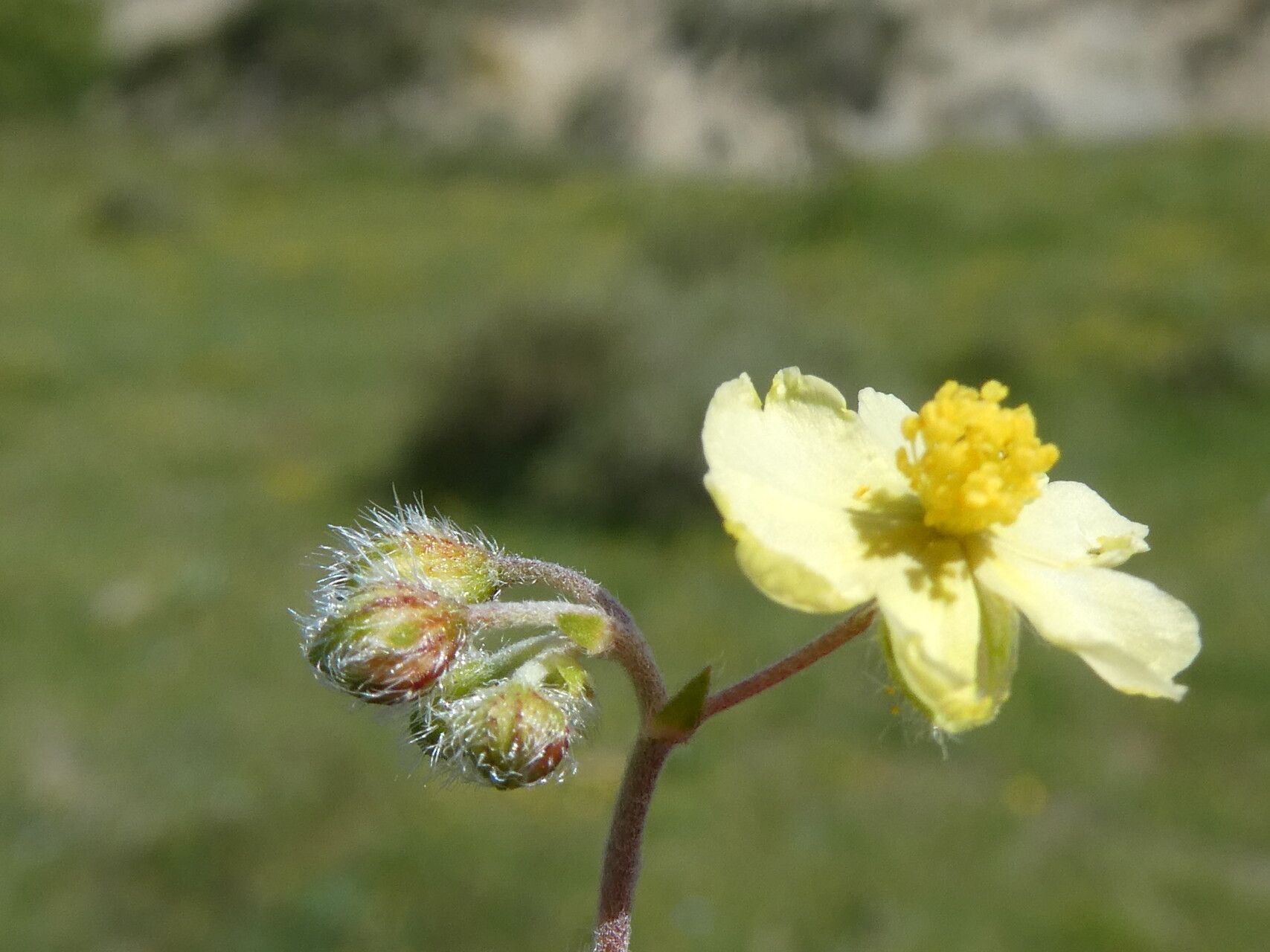
Oh, I’m so glad you’re interested in propagating Helianthemum oelandicum! It’s a truly delightful little plant, isn’t it? These rockroses, especially Helianthemum oelandicum, bring such a cheerful burst of sunshine to the garden with their delicate, often brightly colored flowers. They hug the ground, creating a lovely mat of greenery that’s just perfect for rock gardens, border edges, or even spilling over a pot. And the best part? Learning to make more of these beauties is incredibly rewarding. I find Helianthemum oelandicum to be quite forgiving, which makes it a wonderful choice for those dipping their toes into propagation for the first time.
The Best Time to Start
Timing is everything with propagation, and for Helianthemum oelandicum, I’ve found the sweet spot is late spring to early summer. This is when the plant is actively growing and has fresh, new shoots that are neither too soft and floppy (like they might be in the very early spring) nor too old and woody (which can be harder to root). Aim for stems that have started to firm up a bit but are still flexible.
Supplies You’ll Need
Gathering your supplies beforehand makes the whole process so much smoother. Here’s what I usually have on hand:
- Sharp pruning shears or a clean knife: For making clean cuts.
- Rooting hormone powder or gel: This is optional, but it really can give your cuttings a helpful boost.
- Well-draining potting mix: A good seed-starting mix or a blend of equal parts peat moss, perlite, and coarse sand works beautifully. You want something that won’t hold too much moisture.
- Small pots or trays: Clean pots are essential to prevent disease. Small ones are perfect for starting cuttings.
- Clear plastic bags or a propagator lid: To create a humid environment around your cuttings.
- Watering can with a fine rose or a spray bottle: For gentle watering.
- Labels: To mark what you’ve planted and when!
Propagation Methods
For Helianthemum oelandicum, my go-to method is definitely stem cuttings. It’s straightforward and gives excellent results.
Stem Cuttings
- Take Your Cuttings: On a bright, clear morning, select healthy, non-flowering shoots. Using your sharp shears or knife, take cuttings that are about 4-6 inches long. Try to make the cut just below a leaf node (where a leaf attaches to the stem) as this is often where roots emerge.
- Prepare the Cuttings: Gently remove the lower leaves from the bottom half of each cutting. This prevents them from rotting once you plant them. You can leave the top few leaves intact. If the leaves are quite large, I sometimes snip them in half to reduce water loss.
- Apply Rooting Hormone (Optional): If you’re using rooting hormone, dip the cut end of each stem into the powder or gel. Tap off any excess.
- Plant Your Cuttings: Fill your clean pots with your well-draining potting mix. Make a small hole in the center of the mix with a pencil or your finger.
- Insert the Cuttings: Carefully insert the prepared cuttings into the holes, ensuring the portion where you removed the leaves is below the soil surface. Gently firm the mix around them.
- Water Gently: Water the soil thoroughly but gently until it’s evenly moist.
- Create Humidity: To keep your cuttings from drying out, cover the pots with a clear plastic bag (propped up with stakes so it doesn’t touch the leaves) or place them in a propagator with a lid.
- Placement: Place the pots in a bright spot, but out of direct, harsh sunlight. A greenhouse or a sunny windowsill is ideal.
The “Secret Sauce” (Pro Tips)
Here are a few things I’ve learned over the years that can make a real difference:
- Bottom Heat is Your Friend: While not absolutely essential, placing your pots on a gentle heat mat designed for seedlings can significantly speed up root development. The warmth encourages the plant to put its energy into growing roots.
- Don’t Drown Your Cuttings: The biggest mistake I see beginners make is overwatering. Your soil should be consistently moist, like a wrung-out sponge, not soggy. If you can feel water pooling, you’ve watered too much.
- Cleanliness is Crucial: Always, always use clean pots, clean tools, and clean media. Fungal diseases can be devastating to tiny cuttings, and cleanliness is your best defense.
Aftercare & Troubleshooting
Once you start to see signs of new growth, like tiny leaves appearing at the top, that’s a good indicator that roots are forming. You can gently tug on a cutting; if there’s resistance, it’s rooted!
- Gradual Acclimation: Once roots are established, gradually begin to acclimate your new plants to normal garden conditions. This means taking off the plastic bag or lid for longer and longer periods each day.
- Potting Up: Once they have a decent root system and are growing well, you can pot them up into slightly larger containers with a balanced potting mix.
- Watch for Rot: The most common problem is rot, which usually stems from overwatering or poor drainage. If your cuttings turn black and mushy, it’s likely rot. Sadly, there’s not much to be done once this happens, so it’s better to prevent it by ensuring good drainage and not overwatering.
- Wilting: If your cuttings wilt dramatically, it could be too much direct sun, not enough humidity, or dehydration. Check your watering and see if you need to increase humidity again.
A Encouraging Closing
Propagating Helianthemum oelandicum is a wonderful way to multiply your garden’s beauty. Don’t be discouraged if your first few attempts aren’t perfect – gardening is all about learning and experimenting! Be patient, observe your cuttings, and enjoy the magic of coaxing new life from a single stem. Happy propagating!
Resource: