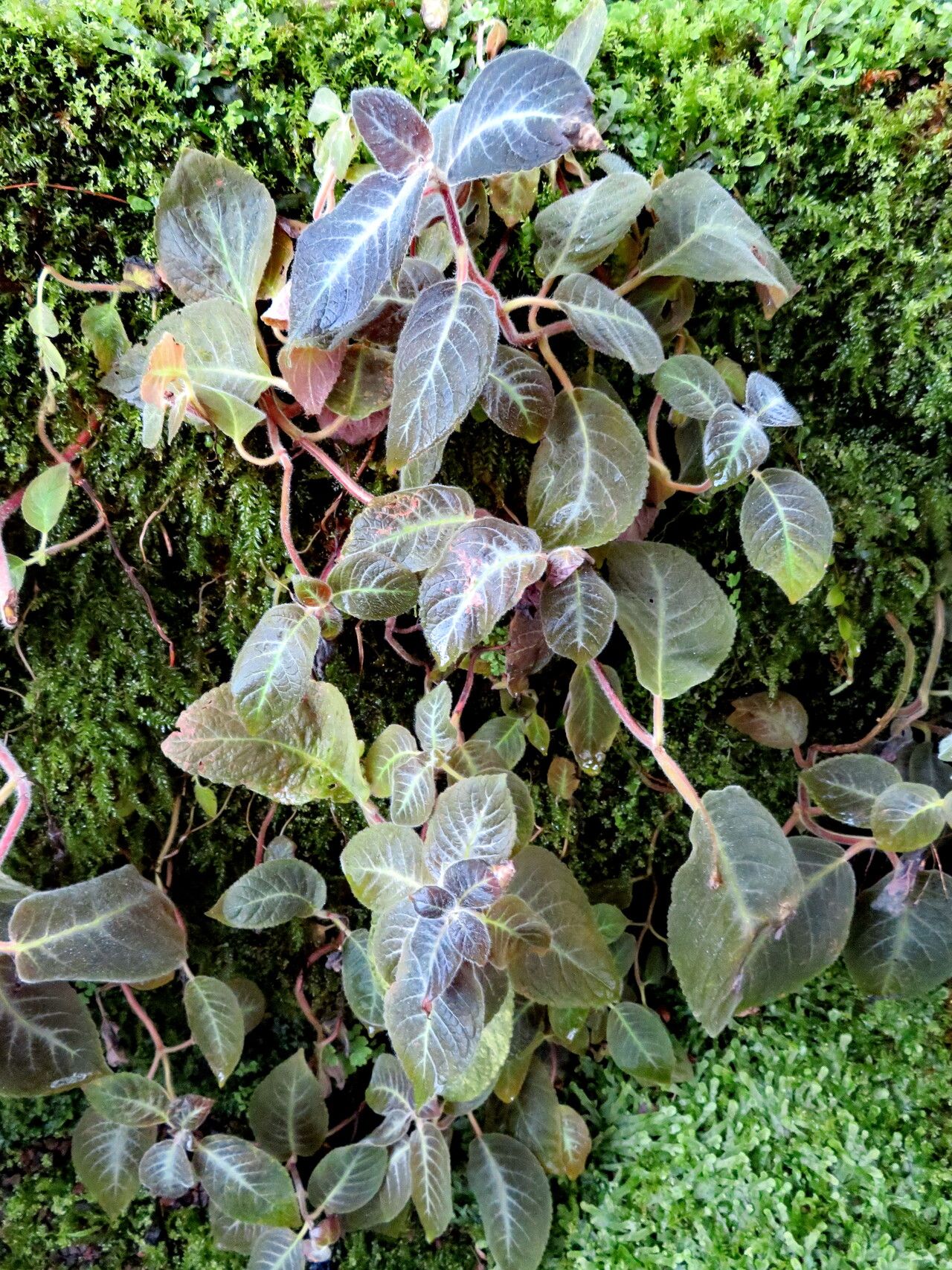
Hey there, fellow plant lovers! I’m so excited to chat with you today about a truly gem of a plant – the Kohleria amabilis. If you haven’t met this beauty yet, picture this: elegant, tubular flowers in shades of pink and red, often adorned with delightful spotting and a velvety texture, all tumbling out from fuzzy, textured foliage. They bring such a burst of cheerful color and a touch of the exotic to any indoor space.
And the best part? Propagating your own Kohleria amabilis is incredibly rewarding. Watching a tiny cutting or division transform into a thriving new plant is a special kind of magic. Trust me, it’s a joy that keeps on giving. For beginners, I’d say Kohleria amabilis is a fantastic choice. It’s quite forgiving, and with a little know-how, you’ll be well on your way to a jungle of these beauties.
The Best Time to Start
Honestly, the warmest, brightest months are your golden ticket to success with Kohleria amabilis. Think late spring through early fall. This is when the plant is actively growing, full of energy, and most receptive to propagation. Starting during this period ensures your cuttings or divisions have plenty of light and warmth to fuel root development.
Supplies You’ll Need
Before we dive in, let’s gather our goodies. You won’t need anything too fancy, just the essentials:
- Sharp, clean pruning shears or a sharp knife: For making clean cuts.
- A well-draining potting mix: I love a blend of peat moss, perlite, and a bit of good quality potting soil. A mix designed for African violets or orchids works wonderfully too.
- Small pots or trays: For your cuttings or divisions. Clean yogurt cups with drainage holes poked in the bottom are perfect!
- Perlite or vermiculite: To improve aeration and drainage in your starting medium.
- Rooting hormone (optional but helpful): A little dab can give your cuttings an extra boost. Look for a powdered or liquid form.
- Clear plastic bags or domes: To create a humid environment for cuttings.
- Watering can with a fine rose: For gentle watering.
- Labels: To keep track of your new plant babies!
Propagation Methods
There are a couple of wonderful ways to multiply your Kohleria amabilis. I find these two to be the most reliable and straightforward.
Stem Cuttings
This is my go-to method for increasing my Kohleria collection quickly.
- Take your cuttings: Select a healthy, non-flowering stem from your parent plant. Using your clean shears, cut a section that’s about 3-4 inches long. Make sure it has at least two sets of leaves.
- Prepare the cutting: Gently remove the lower leaves from the cutting, leaving just the top set or two. If you’re using rooting hormone, dip the cut end into it now.
- Plant your cutting: Fill your small pot with your prepared potting mix. Make a small hole with your finger or a pencil, then gently insert the cut end of the stem. Firm the soil gently around it.
- Create humidity: Water the soil lightly. Then, cover the pot with a clear plastic bag or a propagation dome. This creates a mini-greenhouse, keeping the moisture levels high, which is crucial for root formation.
- Placement: Place the pot in a bright spot out of direct sunlight. Warmth is key here!
Division
This method is perfect when your Kohleria is looking a little crowded in its pot.
- Remove from pot: Gently ease your Kohleria out of its container. You’ll notice it has a rhizomatous root system – these are the key to division!
- Gently separate: Look for natural breaks in the root ball where you can see sections that have their own stems and roots. Gently tease these apart. If it’s stubborn, you might need to use your clean knife to make a cut, ensuring each section has healthy roots and at least one viable stem.
- Pot them up: Plant each division into its own pot filled with your well-draining potting mix. Water gently.
- Settle in: Place these newly potted divisions in a bright location. They might look a little shocked at first, but they’ll bounce back beautifully.
The “Secret Sauce” (Pro Tips)
Here are a few little tricks I’ve picked up over the years that really make a difference:
- Don’t let the leaves touch the water (for water propagation): While I prefer soil for Kohleria, if you do try water propagation on a whim, ensure only the stem is submerged. Wet leaves are prone to rot.
- Bottom heat is your friend: A gentle warming mat placed beneath your pots can dramatically speed up root development for cuttings. It mimics the warmth of the soil in their native habitat.
- Patience is key with rhizomes: Sometimes, Kohleria rhizomes can look a bit dead and dry when you find them. Don’t toss them! Plant them just below the surface of the soil, keep them lightly moist and warm, and you’ll often be surprised to see them sprout!
Aftercare & Troubleshooting
Once your cuttings have been in their cozy, humid environment for a few weeks, give them a gentle tug. If you feel resistance, that’s a good sign! Roots are forming!
- Acclimating: Slowly start to introduce your new plants to lower humidity. You can do this by gradually opening the plastic bag or dome each day for a few hours.
- Watering: Water when the top inch of soil feels dry. Avoid overwatering, as this is the quickest way to invite trouble.
- Light: Continue to provide bright, indirect light. As they grow stronger, they can handle a bit more direct morning sun.
The most common issue you might encounter is rot. This usually happens due to overwatering or poor air circulation. If you see mushy, black stems, sadly, that cutting is likely a goner. Don’t be discouraged! Just try again, perhaps with slightly less water or better air flow.
A Encouraging Closing
Propagating Kohleria amabilis is such a fulfilling endeavor. It’s a chance to connect with your plants on a deeper level and to share their beauty with others. Be patient with the process – nature works on its own timeline. Enjoy watching those tiny roots emerge and the first new leaves unfurl. Happy propagating!
Resource: