Hey there, fellow plant lovers!
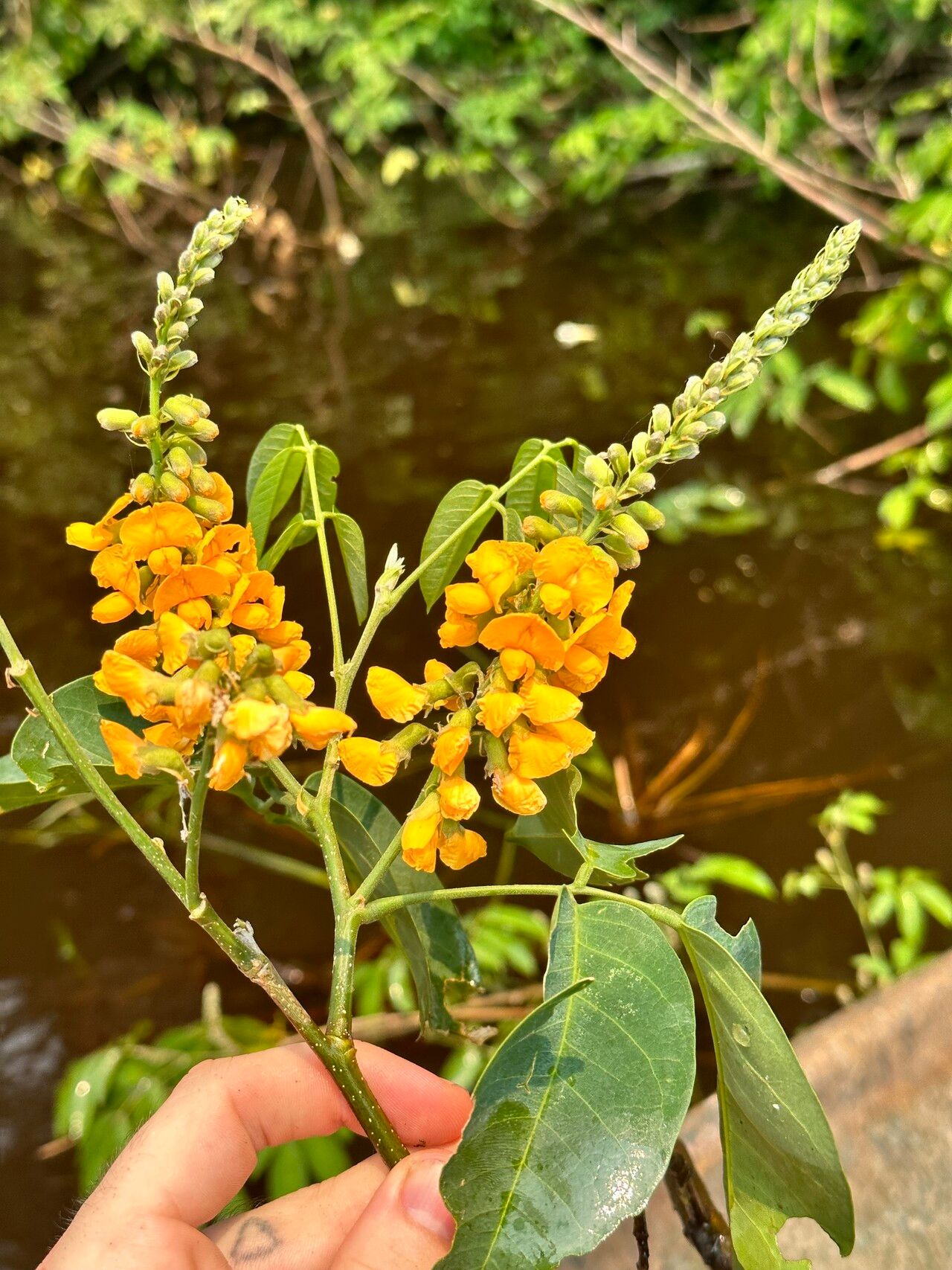
Today, we’re diving into the wonderful world of propagating Pterocarpus amazonum, also known as the Bloodwood tree. If you’re drawn to its vibrant foliage and the promise of growing something truly special from scratch, you’re in for a treat. Watching a new plant emerge from a simple cutting is one of the most satisfying feelings in gardening, and Pterocarpus amazonum offers a fantastic opportunity to experience that magic. While it’s not the easiest plant for absolute beginners, with a little patience and attention, you can absolutely succeed.
The Best Time to Start
Generally, the most successful time to propagate Pterocarpus amazonum is during its active growing season. Think late spring through summer. The plant is full of energy then, and new growth is readily available. Trying to take cuttings when the plant is dormant is like asking someone to run a marathon on an empty stomach – it’s just not going to go as well.
Supplies You’ll Need
Gathering the right tools upfront makes the whole process smoother. Here’s what I always have on hand:
- Sharp Pruning Shears or a Clean Knife: For taking clean cuts.
- Rooting Hormone (Powder or Gel): This is your accelerator! It significantly boosts the chances of successful rooting.
- Well-Draining Potting Mix: I like a blend of peat moss, perlite, and a bit of compost. A good houseplant mix with added perlite works too.
- Small Pots or Trays: With drainage holes, of course.
- Clear Plastic Bags or a Propagator Lid: To create a humid environment.
- Watering Can or Spray Bottle: For gentle watering.
- A Warm Location: Access to gentle warmth is key. A heat mat is ideal, but a sunny windowsill can often suffice.
Propagation Methods
Pterocarpus amazonum is often best propagated from stem cuttings. Here’s how I go about it:
- Select Your Cuttings: Look for healthy, semi-hardwood stems on your mature plant. These are stems that are no longer floppy and green but haven’t yet become woody and brittle. You want pieces that are about 4-6 inches long and have at least two sets of leaves. Avoid flowering stems.
- Make the Cut: Using your clean shears or knife, make a clean, angled cut just below a leaf node. This is where roots are most likely to form.
- Prepare the Cutting: Gently remove the lower leaves from the cutting, leaving just the top two sets of leaves. If the remaining leaves are very large, you can trim them in half to reduce water loss.
- Apply Rooting Hormone: Dip the cut end of the stem into your rooting hormone, ensuring it’s coated well. Tap off any excess.
- Plant the Cuttings: Fill your small pots with the well-draining potting mix. Make a pilot hole with your finger or a pencil and insert the cutting, making sure the node where you removed the leaves is buried in the soil. Gently firm the soil around the stem.
- Create a Humid Environment: Water the soil lightly. Then, cover the pot with a clear plastic bag, securing it around the rim of the pot with a rubber band, or place it under a propagator lid. This traps humidity, which is crucial for cuttings that can’t yet absorb water through their roots.
- Provide Warmth and Light: Place the pot in a bright location but out of direct, harsh sunlight. Bottom heat is wonderfully beneficial, so if you have a heat mat, place the pots on it.
The “Secret Sauce” (Pro Tips)
Here are a couple of things I’ve learned over the years that make a real difference:
- Don’t Overwater! This is one of the biggest killers of cuttings. You want the soil to be consistently moist, not waterlogged. Let the top layer of soil dry out just slightly before watering again. Soggy soil leads to rot, and that’s a sad end for a promising cutting.
- Rotation is Key: Every few days, rotate your pots so that all sides of the cutting get even exposure to light. This encourages more even rooting and development.
- The Gentle Tug Test: Resist the urge to constantly pull on your cuttings to check for roots! After a few weeks, if you’re curious, give a gentle tug. If you feel firm resistance, you likely have roots.
Aftercare & Troubleshooting
Once you see new leaf growth or feel that firm resistance from the “tug test,” you know your Pterocarpus amazonum cutting has rooted!
- Acclimatize: Gradually remove the plastic bag or propagator lid over a week or so. This helps the new plant adjust to lower humidity levels.
- Potting Up: Once the new plant is well-established and has a good root system, you can pot it up into a slightly larger container with fresh potting mix.
- Common Issues: The most frequent problem is rot. This is usually due to overwatering or poor drainage. If you see your cutting turning black and mushy, it’s likely rot. Unfortunately, at this point, it’s usually impossible to save. Wilting can also happen, either from underwatering or if the cutting hasn’t yet developed enough roots to support its leaves.
A Little Patience Goes a Long Way
Growing plants from cuttings is a journey, and it’s important to remember that patience is your best friend. Not every cutting will make it, and that’s perfectly okay. Celebrate the successes, learn from the failures, and most importantly, enjoy the process of nurturing new life. Happy propagating!
Resource: