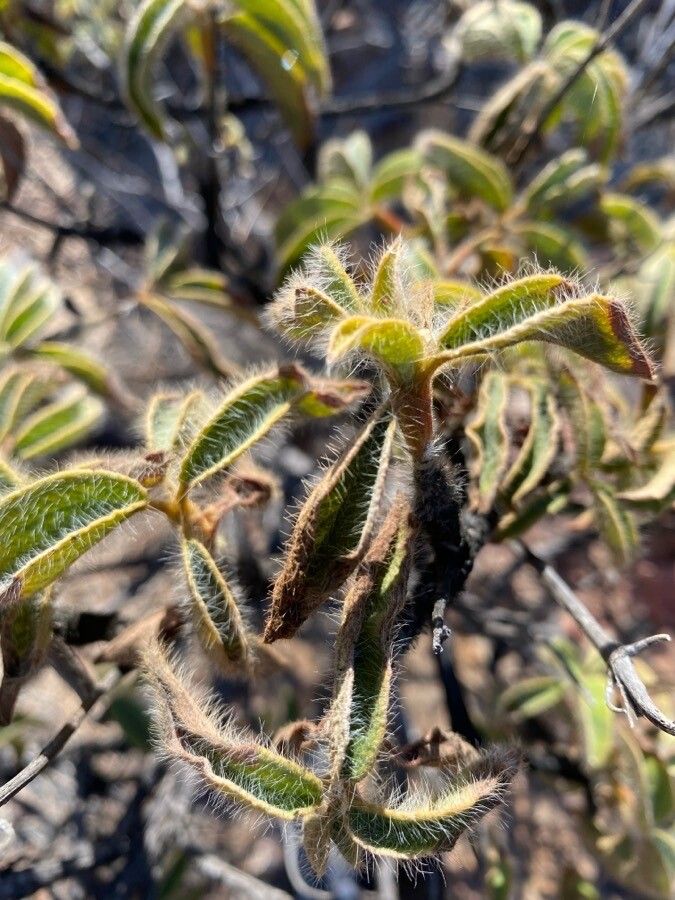
Oh, Cistus horrens! I can just picture those gorgeous, papery blooms gracing a sunny corner of my garden. If you’ve ever admired this hardy Mediterranean beauty, you’ll be delighted to know that bringing more of them into your life is absolutely achievable. Propagating them is a wonderfully rewarding way to expand your collection, and honestly, it’s not as daunting as you might think. For those new to the gardening scene, I’d say it’s moderately easy—a fantastic plant to practice your propagation skills on!
The Best Time to Start
My absolute favorite time to get Cistus horrens cuttings is in late spring to early summer. This is when the plant is actively growing, and the new shoots have a bit of firmness to them, but aren’t yet old and woody. You want that perfect blend of flexibility and stability. Waiting until after the main flush of flowering is usually a good cue.
Supplies You’ll Need
Gathering your tools beforehand makes the whole process much smoother. Here’s what I usually have on hand:
- Sharp Pruning Shears or a Craft Knife: Clean cuts are crucial for healthy root development.
- Rooting Hormone: While not strictly mandatory for Cistus, it can give you an extra boost of confidence and often speeds things up. I prefer the powdered kind.
- Well-Draining Potting Mix: This is non-negotiable! A mix of perlite, coarse sand, and peat moss or coco coir works beautifully. I often use a 50/50 mix of perlite and a good quality potting soil.
- Small Pots or Seed Trays: Clean pots are essential to prevent the spread of disease.
- A Spray Bottle: For gentle misting.
- Plastic Bags or a propagator: To create a humid environment.
- Gravel or Pot Shards: For drainage at the bottom of pots, if your chosen pots don’t have great holes.
Propagation Methods
For Cistus horrens, stem cuttings are my go-to method. It’s reliable and gives you the best chance of success.
- Taking the Cuttings: Select healthy, non-flowering stems that are about 4-6 inches long. Make a clean cut just below a leaf node (where a leaf meets the stem). Gently remove the leaves from the bottom half of the cutting, leaving just a couple at the very top.
- Preparing the Cuttings: Dip the cut end into your rooting hormone, tapping off any excess.
- Planting the Cuttings: Fill your pots with the prepared well-draining mix. Make a small hole with a pencil or your finger, and gently insert the cutting. Firm the soil around the base to ensure good contact.
- Creating Humidity: Water the soil gently, then pop the pot into a clear plastic bag or place it under the lid of a propagator. This creates a mini greenhouse, keeping the humidity high, which is vital for cuttings that can’t yet absorb water through roots. Ensure no leaves are touching the plastic.
The “Secret Sauce” (Pro Tips)
Here are a couple of things I’ve learned over the years that seem to make a difference:
- Don’t Be Afraid to Be Ruthless (with leaves!): As I mentioned, stripping off lower leaves is key. Not only does it prevent them from rotting in the soil, but it also encourages the plant to focus its energy on root development rather than keeping those leaves alive.
- Bottom Heat is Your Friend: If you can provide gentle bottom heat (around 70-75°F or 21-24°C), it will significantly speed up root formation. A heat mat designed for seedlings is perfect for this. It mimics the warmth of spring soil and gives those little roots a real nudge!
Aftercare & Troubleshooting
Once your cuttings are planted, keep them in a bright spot, but out of direct, harsh sunlight. Mist them every couple of days if they are in a bag and the soil looks dry. The goal is consistent moisture without sogginess.
You’ll know your cuttings are rooting when you see new leaf growth appearing at the tip or in the leaf axils. This can take anywhere from 4-8 weeks, sometimes longer, so patience is key! Gently tugging on a cutting will reveal resistance if roots have formed.
The most common problem you’ll encounter is rot. This usually happens if the soil is too wet, or if the humidity is too high and there’s no air circulation. If you see a cutting turning black and mushy, sadly, it’s usually best to discard it to prevent it from affecting others.
A Encouraging Closing
Propagating Cistus horrens is a journey, not a race. Be patient with your little cuttings, enjoy the process of nurturing them, and celebrate every tiny sign of progress. Soon enough, you’ll have a beautiful new blooming shrub to enjoy or share. Happy propagating!
Resource:
https://identify.plantnet.org/k-world-flora/species/Cistus%20horrens%20Demoly/data