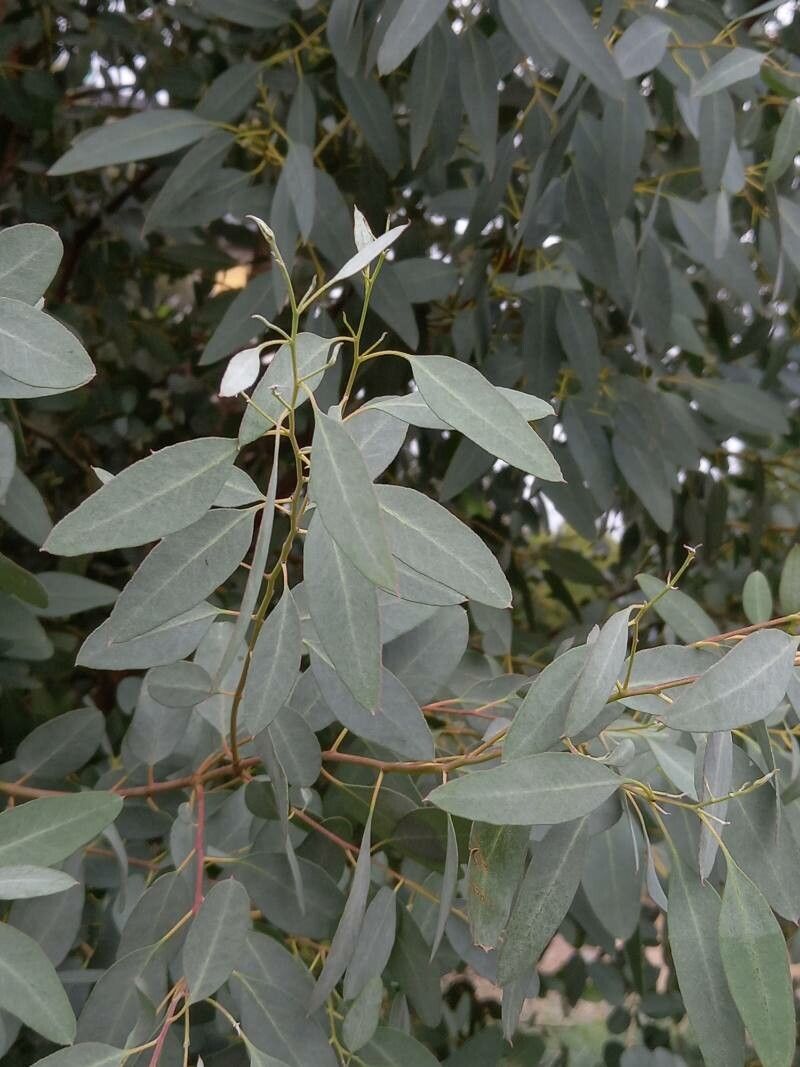
Hey there, fellow plant lovers! I’ve been digging around in the dirt for two decades now, and there’s still nothing quite like bringing a new plant to life from a tiny cutting or seed. Today, we’re diving into the wonderful world of Eucalyptus archeri, also known as Archer’s Gum. This beauty, with its lovely blue-grey foliage and delicate scent, is honestly a joy to have in the garden or even as a fragrant houseplant. Propagating it yourself? That’s a special kind of rewarding.
Now, I won’t lie, Eucalyptus archeri can be a little fussy compared to some of the more common houseplant heroes. But don’t let that deter you! With a bit of know-how and patience, you can certainly coax those new life forms into existence.
The Best Time to Start
For the highest success rates with Eucalyptus archeri, I always aim to take cuttings in late spring or early summer. This is when the plant is actively growing and has plenty of energy to put into developing new roots. Look for young, semi-hardwood stems – they’ll snap cleanly when bent, rather than just flopping over.
Supplies You’ll Need
Gathering your supplies beforehand makes the whole process so much smoother. Here’s what I usually have on hand:
- Sharp, clean pruning shears or a knife: A clean cut is crucial to prevent disease.
- Rooting hormone (optional but recommended): This can significantly boost your success. I prefer a powder form for ease of use.
- Propagation trays or small pots: Make sure they have drainage holes!
- A well-draining potting mix: I like a blend of peat moss, perlite, and a bit of coarse sand. You can also buy specific cactus and succulent mixes that work well.
- Clear plastic bags or a propagator lid: This helps maintain humidity.
- Water and a spray bottle: For misting.
Propagation Methods
While Eucalyptus can be grown from seed, I find stem cuttings to be the most reliable and rewarding method for Eucalyptus archeri.
Stem Cuttings: Your Best Bet
- Take your cuttings: Using your clean shears, snip off pieces of stem about 4-6 inches long. Make the cut just below a leaf node (where a leaf attaches to the stem).
- Prepare the cuttings: Gently remove the lower leaves from each cutting, leaving just a few at the top. This prevents leaves from rotting in the soil and encourages root growth. If your cuttings are particularly leafy, you can even trim the remaining leaves in half to reduce water loss through transpiration.
- Apply rooting hormone (if using): Dip the cut end of each prepared cutting into your rooting hormone, tapping off any excess.
- Pot them up: Fill your small pots or propagation tray with your pre-moistened potting mix. Make a hole in the center of each pot with your finger or a pencil.
- Insert the cuttings: Gently place a cutting into the hole and firm the soil around it to ensure good contact.
- Water gently: Water the soil thoroughly but gently.
- Create humidity: Place the pots in a propagator or cover them loosely with a clear plastic bag, ensuring the plastic doesn’t touch the leaves.
- Find the right spot: Place the tray in a warm, bright location, but out of direct sunlight.
The “Secret Sauce” (Pro Tips)
After years of tinkering, I’ve picked up a few tricks that seem to make a real difference with these particular plants:
- Bottom Heat is Your Friend: Eucalyptus loves a bit of warmth from below. If you have a heat mat designed for seedlings, pop your propagation tray on it. It really speeds up root development. If not, a warm windowsill that gets gentle sun can work, but always monitor for drying out.
- Don’t Overwater, But Don’t Let Them Dry Out: This is a delicate balance. Keep the soil consistently moist but not soggy. I like to check the moisture level by gently pressing the soil. If it springs back, it’s good. If it feels dry, it’s time for a gentle watering or misting.
- Think About Airflow: While humidity is key, stagnant air can lead to fungal issues. If you’re using a plastic bag, open it up for a few minutes each day to allow for some air circulation. It’s like giving your cuttings a little breath!
Aftercare & Troubleshooting
You’ll know your cuttings are rooting when you see new leaf growth or gently tug on a cutting and feel some resistance. This can take anywhere from 4 weeks to a couple of months, so patience is paramount!
Once roots have formed, you can start acclimatizing them to less humid conditions. Slowly open the propagator or gradually remove the plastic bag over a week or two. Once they seem happy, you can pot up your new Eucalyptus archeri into their own slightly larger pots. Continue to keep them in bright, indirect light and water when the top inch of soil feels dry.
The most common sign of failure is rot, which usually comes from overwatering and poor drainage. If a cutting looks mushy, black, or falls over limp, it’s likely beyond saving. Don’t get discouraged! Just clean up the area, and try again. Sometimes, the cuttings just don’t take, and that’s okay. Every attempt is a learning experience.
So there you have it! With a little care and these insider tips, you’ll be well on your way to propagating your own beautiful Eucalyptus archeri. Remember to enjoy the process, celebrate every little bit of new growth, and keep your hands in the soil. Happy growing!
Resource:
https://identify.plantnet.org/k-world-flora/species/Eucalyptus%20archeri%20Maiden%20&%20Blakely/data