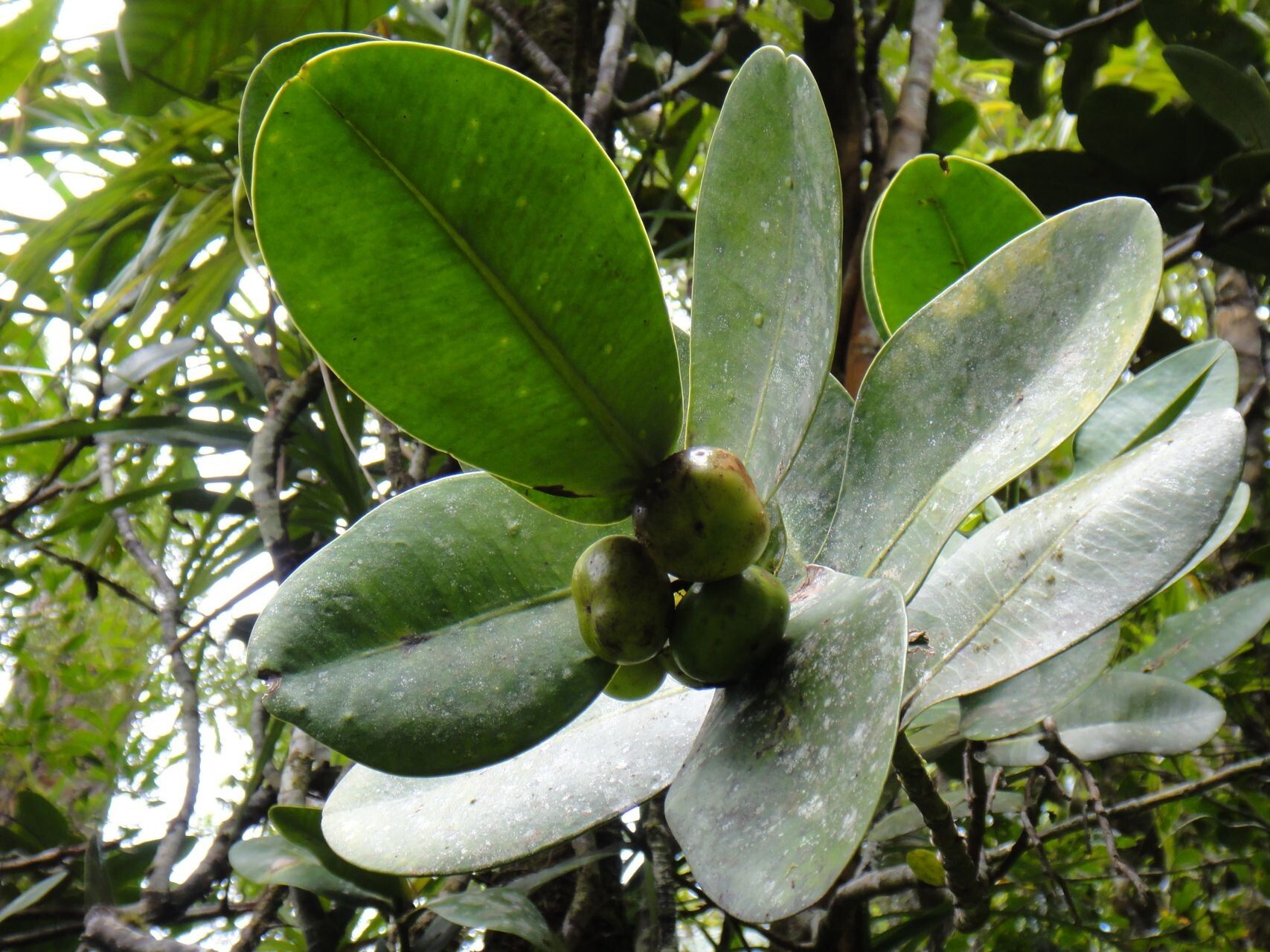
Oh, hello there, fellow plant enthusiast! I’m so glad you stopped by. Today, we’re diving into something really special: propagating Garcinia amplexicaulis. These beautiful plants, often called the “mountain mangosteen” or “wild mangosteen,” are a real delight. Their glossy leaves and the promise of delicious, tangy fruit make them a rewarding addition to any garden or collection. And the joy of making more of these beauties from your existing plant? Pure gardening bliss!
Now, while Garcinia amplexicaulis isn’t the absolute easiest plant for a complete beginner to propagate, with a little patience and the right approach, it’s definitely achievable. Think of it as a lovely challenge that will bring immense satisfaction.
The Best Time to Start
For the absolute highest success rate, I find that the late spring to early summer is your golden window. This is when the plant is actively growing, brimming with energy. New growth, often called “softwood” or “semi-hardwood,” is usually the most responsive to propagation techniques. Avoid trying to take cuttings from old, woody stems or during the plant’s resting period in winter.
Supplies You’ll Need
Having your tools ready makes the whole process so much smoother. Here’s what I generally have on hand:
- Sharp Pruning Shears or Knife: Cleanliness is key to preventing disease.
- Rooting Hormone: A powdered or gel form can significantly boost your success. Look for one formulated for softwood or semi-hardwood cuttings.
- Well-Draining Potting Mix: A good blend is crucial. I like to use a mix of peat moss, perlite, and a bit of coarse sand. Some folks also swear by pure perlite or a coco coir blend.
- Small Pots or Seedling Trays: Clean pots are a must!
- Plastic Bags or a Clear Dome: To create a humid microclimate.
- Watering Can with a Fine Rose: For gentle watering.
- Identification Tags: To keep track of what you’ve propagated!
Propagation Methods
The most reliable method for Garcinia amplexicaulis is through stem cuttings. Let’s get our hands dirty with this one.
- Select Your Cutting: Look for healthy, vigorous stems that are about 6-8 inches long. Ideally, these should have a few sets of leaves. You want stems that are firm but still somewhat flexible – the “snap” test is good: if it snaps cleanly, it’s likely good softwood; if it bends, it’s probably too old.
- Prepare the Cutting: Using your sharp, clean shears, make a clean cut just below a leaf node (where a leaf attaches to the stem). Remove the lower leaves, leaving just a few at the top. This helps prevent rot and focuses the plant’s energy on root development.
- Apply Rooting Hormone: Dip the cut end of the stem into your rooting hormone, tapping off any excess. If you’re using a gel, just dip it in.
- Plant the Cutting: Fill your clean pot with your well-draining potting mix. Make a small hole in the center with your finger or a pencil. Gently insert the cut end of the stem into the hole, ensuring the rooting hormone stays on the bottom inch or so. Firm the soil gently around the base of the cutting.
- Create Humidity: Water the potting mix gently until it’s evenly moist but not waterlogged. Now, here’s the crucial step: tent the pot with a plastic bag or place it under a clear dome. This keeps a humid environment, mimicking the conditions the plant loves. Make sure the leaves don’t touch the inside of the plastic.
- Placement: Place the pot in a warm, bright location that receives indirect sunlight. Avoid direct sun, which can scorch the young cuttings.
The “Secret Sauce” (Pro Tips)
Here are a couple of tricks I’ve picked up over the years that really make a difference:
- Bottom Heat is Your Friend: If you can, place your pots on a heat mat designed for seedlings. This gentle warmth from below encourages root formation like nothing else. It mimics the soil temperature during the active growing season and can speed up the process considerably.
- Don’t Be Afraid of a Little Snip: After you’ve put your cuttings in, sometimes I’ll gently prune back the leaves slightly even further. This isn’t about hurting the plant; it’s about reducing water loss through transpiration. Think of it as helping your cutting conserve its precious moisture while it works on growing roots.
Aftercare & Troubleshooting
Once your cuttings are planted, your job isn’t quite done. Patience is key!
- Keep it Moist and Humid: Gently water whenever the top inch of soil feels dry. Continue to monitor the humidity within your tent or dome. You might need to briefly ventilate it every few days to prevent fungal issues.
- Checking for Roots: This is the exciting part! After about 4-8 weeks, you can give your cuttings a very gentle tug. If there’s resistance, that’s a good sign roots are forming. Another indicator is new leaf growth.
- Troubleshooting: The most common issue is rot. If your cutting looks mushy, discolored, or develops black spots, it’s likely succumbed to rot. This often happens due to overwatering or poor drainage. Ensure your soil mix is airy and that you’re not drowning your cuttings. If you see signs of rot early, it’s sometimes best to discard the affected cutting to prevent it from spreading to others. Leggy, weak growth without roots might mean it’s not getting enough light or that the rooting hormone didn’t take sufficiently.
A Encouraging Closing
Propagating plants, especially something as lovely as Garcinia amplexicaulis, is a journey. There will be successes, and there might be a few setbacks, and that’s perfectly okay. Every cutting you try is a learning experience. So, gather your supplies, get your hands a little dirty, and enjoy the magical process of watching new life emerge. Happy propagating, and I can’t wait to hear about your green-thumb triumphs!
Resource: