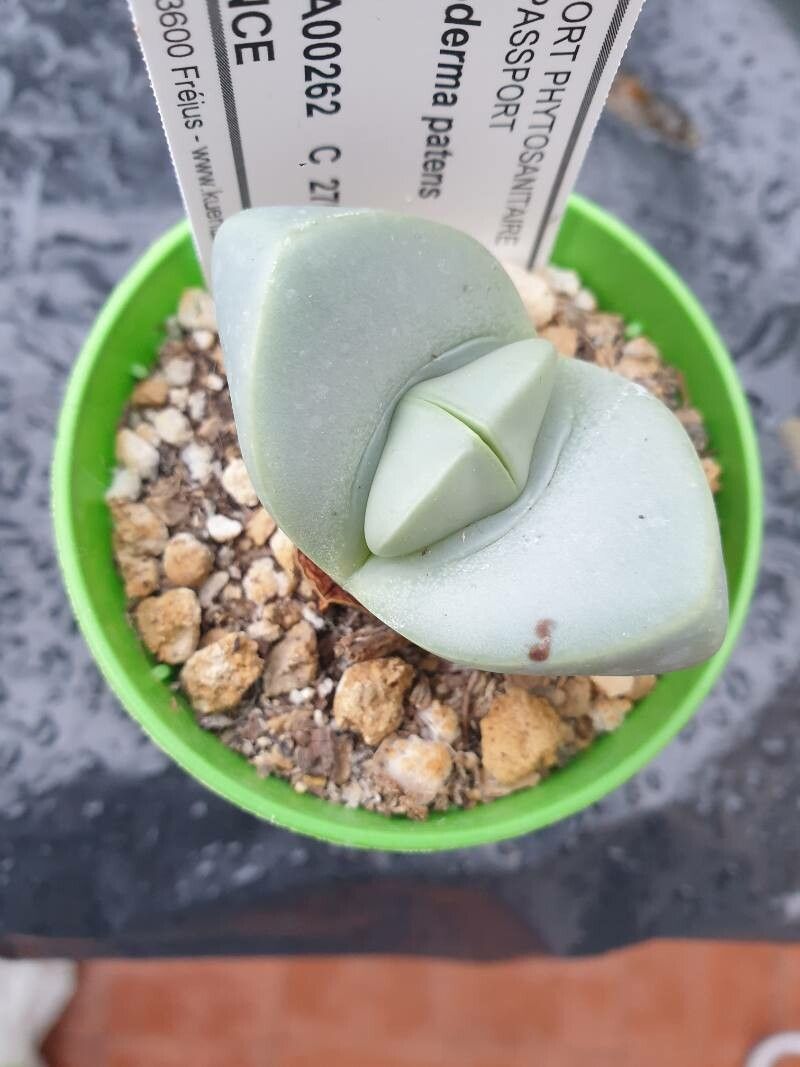
Oh, hello there! Come on in and grab a cup of something warm. Today, we’re diving into the wonderful world of Argyroderma patens, those little jewel plants that truly sparkle in a collection. If you’ve ever admired their smooth, pebble-like bodies and the vibrant blooms they can produce, you’re in for a treat. Propagating them is a fantastic way to expand your succulent family, and seeing a new little ‘Argy’ sprout is incredibly satisfying. Now, I won’t lie to you, they can be a little finicky, so while not impossible for beginners, patience is definitely your best friend here.
The Best Time to Start
My golden rule for propagating most succulents, and Argyroderma included, is to work during their active growing season. For most mesembs like these, that typically means late spring and early summer. The days are getting longer, the temperatures are mild but warming up, and the plant has plenty of energy to put into making new roots. Trying to propagate when they’re looking a bit sleepy in the heat of summer or the cold of winter just won’t yield the best results.
Supplies You’ll Need
Before we get our hands dirty, let’s make sure we have everything ready. A little preparation goes a long way!
- Sharp, sterile pruning shears or a clean knife: For making those crucial cuts.
- Succulent or cactus mix: A well-draining, gritty soil is non-negotiable. I often mix in extra perlite or pumice for even better aeration.
- Small pots or seedling trays: Something with drainage holes is essential.
- Cinnamon or sulfur powder (optional, but recommended): A natural antifungal to help prevent rot.
- Rooting hormone powder (optional): Can give a little boost, especially if you’re new to this.
- Spray bottle: For gentle watering.
- A warm, brightly lit location: Out of direct, scorching sun.
Propagation Methods
Argyroderma patens are typically propagated by division or by taking offsets. Stem cuttings aren’t really a thing with these flattened beauties.
Division (The most common and successful method):
- Gently excavate: Carefully lift the parent plant from its pot. You want to get as much of the root ball as possible without causing too much damage.
- Clean the roots: Gently brush away excess soil from the roots. This allows you to clearly see where new offsets are attached to the mother plant.
- Identify offsets: Look for smaller plantlets that have naturally formed at the base of the mature plant. These are your baby Argyroderma!
- Make the cut: If an offset has its own roots, you can try to gently pull it away. If it’s firmly attached, use your sharp, sterile shears to make a clean cut as close to the mother plant as possible, ensuring the offset has some roots attached.
- Allow to callus: This is a super important step! Place the divided offsets in a dry, airy spot for a few days to a week. You want the cut end to dry out and form a callus. This prevents rot when you replant.
- Replant: Once callused, lightly pot your offset in your well-draining succulent mix. Just nestle them in; don’t bury them too deep.
- Wait for roots: Resist the urge to water immediately. Wait for about a week to 10 days before giving them their first gentle misting. They need time to heal and start developing roots before taking up water.
The “Secret Sauce” (Pro Tips)
Here are a couple of things I’ve learned over the years that really make a difference:
- Don’t over-pot: For babies, use small pots! This helps prevent the soil from staying wet for too long. A tiny pot with a tiny plant is much easier to manage.
- Bottom heat is your friend: If you can, placing your pots on a gentle seedling heat mat can significantly speed up root development. Just make sure it’s on a low setting to avoid cooking those precious roots.
- Patience with watering is key: It’s so tempting to water when you see them looking a bit thirsty, but new divisions are very prone to rot. Err on the side of underwatering at first. A light misting is usually all they need until you see signs of growth.
Aftercare & Troubleshooting
Once roots have begun to form (you might see them peeking out or the plant will start to plump up a bit), you can begin to water a little more deeply, but still allowing the soil to dry out completely between waterings. Treat them much like a mature Argyroderma, but with a gentler hand.
The most common issue you’ll face is rot. If you see your little offset becoming mushy, discolored, or wilting dramatically, it’s likely rot. If you catch it early, you might be able to salvage it by cutting away the rotted parts with a sterile knife and letting the healthy section callus again. Prevention, through proper drainage and careful watering, is always the best cure.
A Encouraging Closing
And there you have it! Propagating Argyroderma patens is a journey, not a race. Be patient with your little ones, watch them closely, and celebrate every little success. Before you know it, you’ll have a whole crew of these fascinating succulents to enjoy. Happy propagating!
Resource:
https://identify.plantnet.org/k-world-flora/species/Argyroderma%20patens%20L.Bolus/data