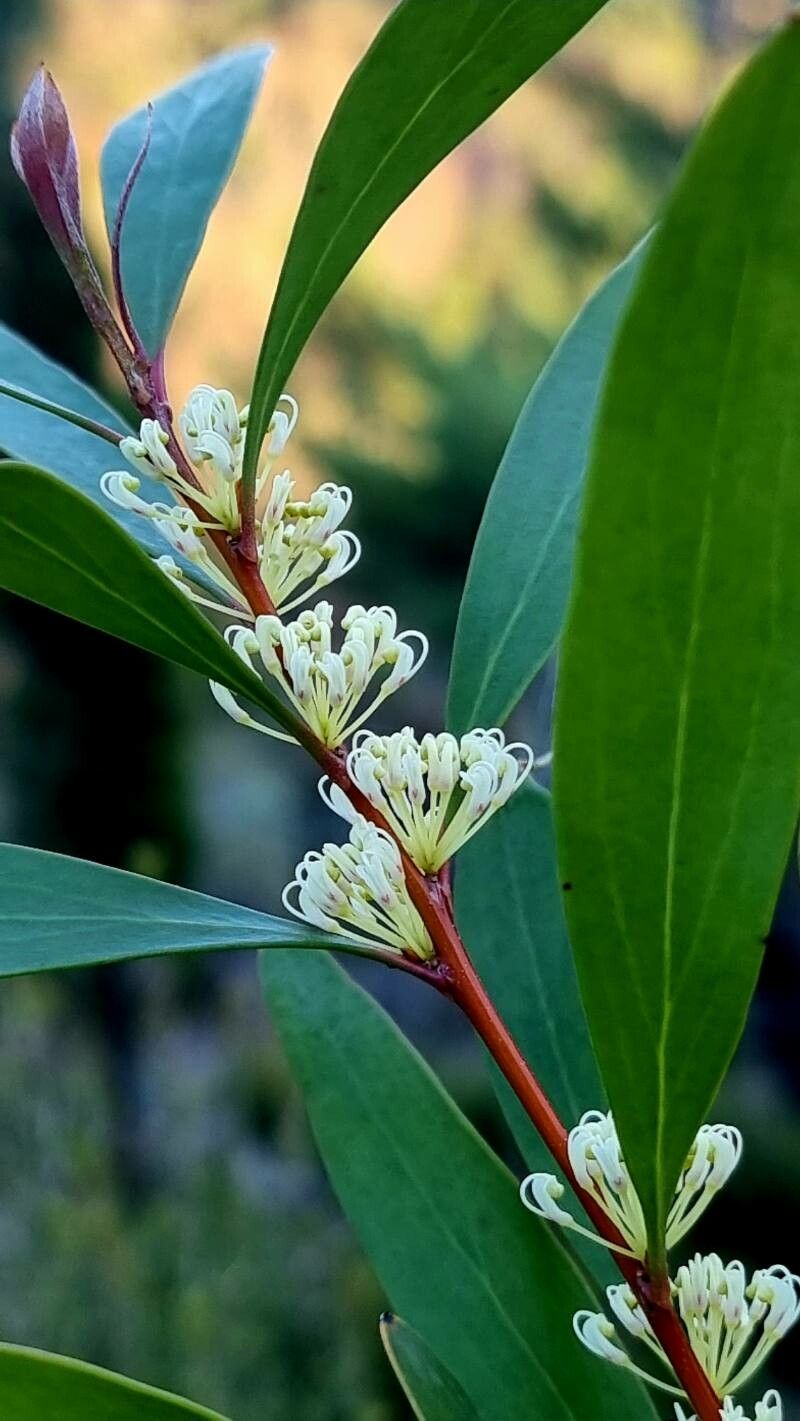
Hey there, fellow garden enthusiasts! I’m so excited to chat with you today about a truly delightful Australian native: Hakea salicifolia, often called the Willow-leaved Hakea. Its elegant, weeping foliage and charming white and pinkish flowers bring such a soft, romantic touch to any garden. And believe me, the reward of nurturing a new plant from a tiny cutting or seed? It’s simply unparalleled. For those of you just starting out on your propagation journey, I’d say Hakea salicifolia is a pretty forgiving friend. With a little care and attention, you’ll be well on your way!
The Best Time to Start
When it comes to getting your Hakea salicifolia off to a flying start, spring or early summer is your golden window. This is when the plant is actively growing, and its cuttings will have the best chance of rooting. Look for healthy, semi-hardwood stems – those that are firm but still a little flexible. Avoid the very soft, new shoots or the old, woody growth.
Supplies You’ll Need
Let’s gather up our little helpers. Here’s what I always have on hand:
- Sharp pruning shears or a clean, sharp knife: For making those crucial clean cuts.
- Well-draining potting mix: A good seed-starting mix or a blend of perlite and coco coir works wonders. You want to avoid anything that retains too much moisture.
- Rooting hormone (optional but recommended): This can significantly speed up root development.
- Small pots or propagation trays: Cleanliness is key here!
- Plastic bags or a propagator lid: To create that humid environment cuttings love.
- Labels: Trust me, you’ll thank yourself later for remembering what you planted!
- Watering can or spray bottle: For gentle watering.
Propagation Methods
Now for the fun part! We’ll focus on the tried-and-true method of stem cuttings.
- Taking the Cuttings: Find those perfect semi-hardwood stems. Using your clean shears, make a cut just below a leaf node (where a leaf attaches to the stem). Aim for cuttings that are about 10-15 cm long.
- Preparing the Cuttings: Gently remove the leaves from the bottom half of the cutting. If your cutting has more than a few leaves at the top, you can nip off about half of them to reduce water loss.
- Applying Rooting Hormone: If you’re using rooting hormone, dip the cut end of the stem into it, tapping off any excess.
- Planting: Fill your pots with your well-draining mix. Make a little hole in the center with your finger or a pencil. Carefully insert the cutting into the hole, firming the mix gently around it to ensure good contact.
- Creating Humidity: Water the mix gently from the top. Then, cover the pot with a clear plastic bag, using a skewer or two to keep it from touching the leaves, or place it inside a propagator. The goal is to maintain a humid environment.
The “Secret Sauce” (Pro Tips)
Here are a few things I’ve learned over the years that make a big difference:
- Bottom Heat is Your Friend: If you have the space and the means, placing your cuttings on a heated propagation mat provides consistent warmth to the roots, which encourages them to form much faster. It’s like a cozy little bed for new root growth!
- Don’t Drench; Mist: Instead of watering heavily, I prefer to mist the cuttings and the inside of the plastic cover every couple of days. This keeps the humidity high without waterlogging the new roots, which can lead to rot.
- Give Them Air: Even though they love humidity, your cuttings still need a bit of fresh air. Open the propagator or bag for a few minutes each day to allow for some air circulation. This helps prevent fungal diseases.
Aftercare & Troubleshooting
Once your cuttings are potted up, find them a spot that gets bright, indirect light. Avoid direct, harsh sun, as this can scorch those delicate leaves. Be patient! It can take anywhere from 4 to 12 weeks for roots to develop. You’ll know they’re ready when you gently tug and feel some resistance, or when you see new leafy growth emerging.
The most common issue you might encounter is rot. If you see your cuttings turning black and mushy, it’s a sign of too much moisture. Resist the urge to overwater! If rot sets in, sadly, it’s usually best to discard the affected cutting and start again.
A Little Patience Goes a Long Way
Propagating Hakea salicifolia is a beautiful journey of patience and observation. There’s a real joy in seeing those tiny roots emerge and knowing you’ve helped a new life begin. Don’t be discouraged if your first attempts aren’t perfect. Every gardener learns and grows, just like our plants! Happy propagating!
Resource:
https://identify.plantnet.org/k-world-flora/species/Hakea%20salicifolia%20(Vent.)%20B.L.Burtt/data