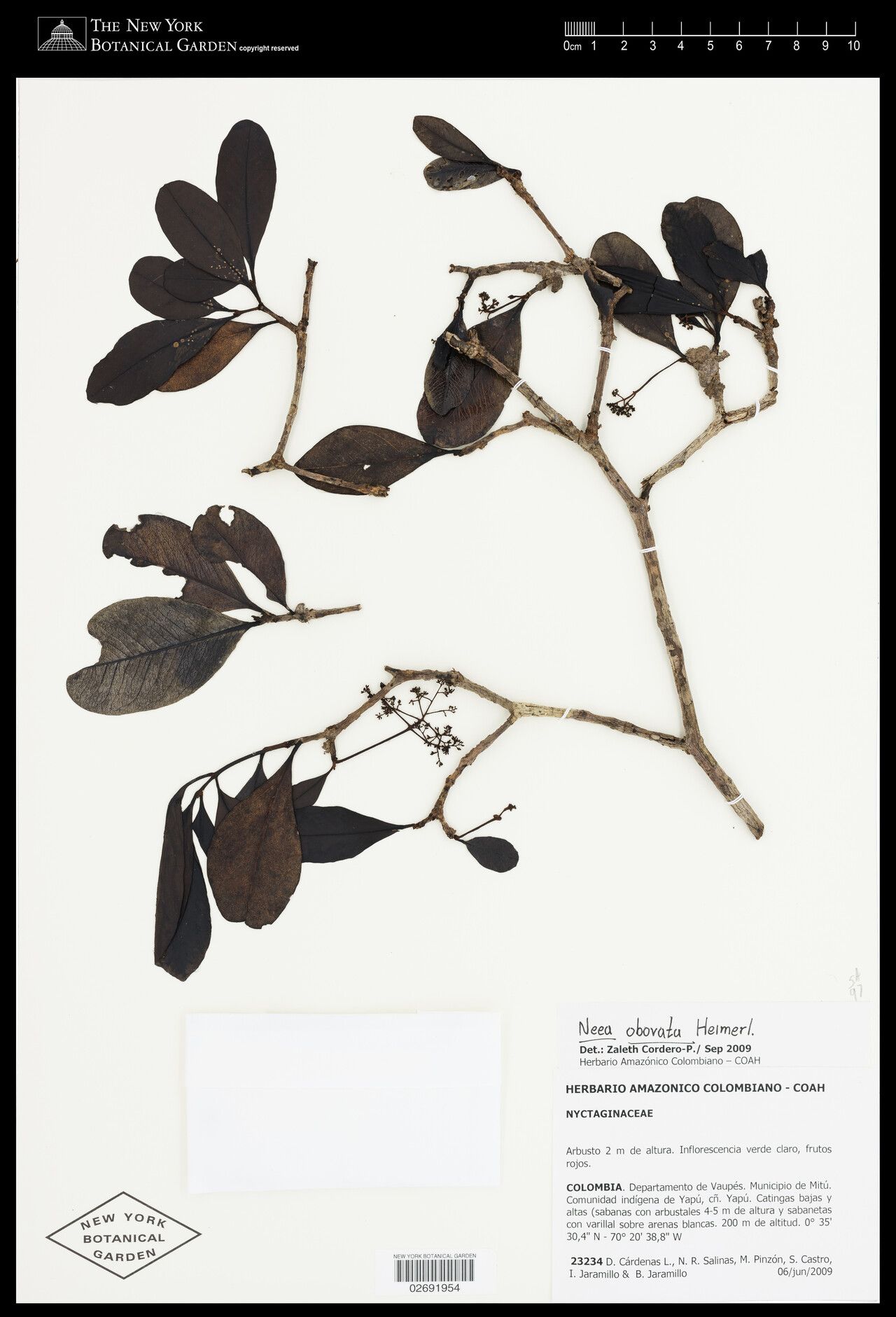
Hey there, fellow plant lovers! Grab a mug of your favorite brew, because today we’re diving into the wonderful world of propagating Neea obovata. This plant, with its lovely glossy leaves and pretty little flowers, is a real charmer in the garden or on the patio. When you start your own from cuttings, it feels like you’ve unlocked a little bit of botanical magic. It’s a wonderfully rewarding process to watch a tiny piece of a plant grow into a whole new one. Now, is it a walk in the park for absolute beginners? I’d say it’s more of a pleasant amble – achievable, but with a few little nuances to keep in mind.
The Best Time to Start
When it comes to getting the most bang for your buck with new plant babies, spring and early summer are your absolute best friends. This is when your Neea obovata is actively growing and has the energy to put into developing new roots. Trying to propagate when the plant is dormant or stressed simply won’t yield the same results. So, watch for new, soft growth appearing on your mature plant – that’s prime cutting material!
Supplies You’ll Need
To give your cuttings the best possible start, you’ll want to gather a few things:
- Sharp Pruning Shears or Knife: Cleanliness is key here to prevent disease.
- Rooting Hormone (Optional but Recommended): This can significantly speed up root development. Look for one that contains IBA (indole-3-butyric acid).
- Well-Draining Potting Mix: A good blend of peat moss, perlite, and a bit of compost works wonders. Or, you can use a commercial seed-starting or cactus/succulent mix.
- Small Pots or Seedling Trays: Clean, small pots are perfect for individual cuttings.
- Plastic Bag or Humidity Dome: To create that essential humid environment.
- Watering Can or Spray Bottle: For gentle watering.
Propagation Methods
Let’s get our hands dirty! The most reliable way to propagate Neea obovata is through stem cuttings.
- Select Your Cuttings: On a healthy, actively growing Neea obovata, identify a stem that’s about 4-6 inches long. You’re looking for wood that’s not too soft and new, but not completely woody either – often called “semi-hardwood.” Make a clean cut just below a leaf node (where a leaf attaches to the stem).
- Prepare the Cuttings: Gently remove the lower leaves from the cutting. You want to leave just a few leaves at the very top. This reduces water loss and allows the plant to focus its energy on root production. If you’re using rooting hormone, dip the cut end into it.
- Plant Your Cuttings: Fill your small pots with your prepared potting mix. Make a hole in the center with your finger or a pencil, about an inch deep. Insert the cut end of your Neea obovata cutting into the hole and gently firm the soil around it.
- Water Gently: Lightly water the soil to settle it around the cutting. You want it moist, but not soggy.
- Create Humidity: Place the potted cuttings inside a clear plastic bag, zipping it up or tying it loosely. Alternatively, use a humidity dome. This traps moisture around the leaves, creating the humid microclimate cuttings crave.
- Provide Light and Warmth: Place the cuttings in a bright spot, but out of direct sunlight. A warm windowsill or a spot under grow lights is ideal.
The “Secret Sauce” (Pro Tips)
Here are a couple of tricks I’ve learned over the years that really make a difference:
- Don’t Let the Leaves Touch the Water Directly: If you were doing water propagation (which is less common for Neea obovata but possible), and some leaves dipped below the surface, they’d rot. For cuttings in soil, this means pruning off lower leaves is non-negotiable to prevent any bits from sitting in soggy soil and inviting fungal issues.
- Bottom Heat is Your Friend: If you can, place your pots on a warm propagation mat or on top of a gently warmed appliance (like a router, but be careful!). This gentle warmth from below encourages faster root development. Think of it as cozying your cuttings up!
Aftercare & Troubleshooting
Once your cuttings are potted, the waiting game begins! Keep the soil consistently moist but never waterlogged. Mist the leaves occasionally if you’re not using a plastic bag. Within a few weeks to a couple of months, you should start to see signs of new growth – a tiny new leaf or the stem looking a bit plumper. A good tug will reveal resistance if roots have formed.
The biggest challenge you might face is rot. If your cutting looks mushy, turns black, or smells bad, it’s likely succumbed to a fungal infection. This usually happens from too much moisture or poor air circulation. If you see this, sadly, it’s best to discard the offending cutting and try again, ensuring your soil drains well and you’re not overwatering.
A Little Encouragement
Starting new plants from cuttings is incredibly satisfying. Be patient with your little Neea obovata cuttings. Not every single one will make it, and that’s perfectly okay! The process itself is a learning experience, and each success will bring you so much joy. Happy propagating!
Resource:
https://identify.plantnet.org/k-world-flora/species/Neea%20obovata%20Spruce%20ex%20Heimerl/data