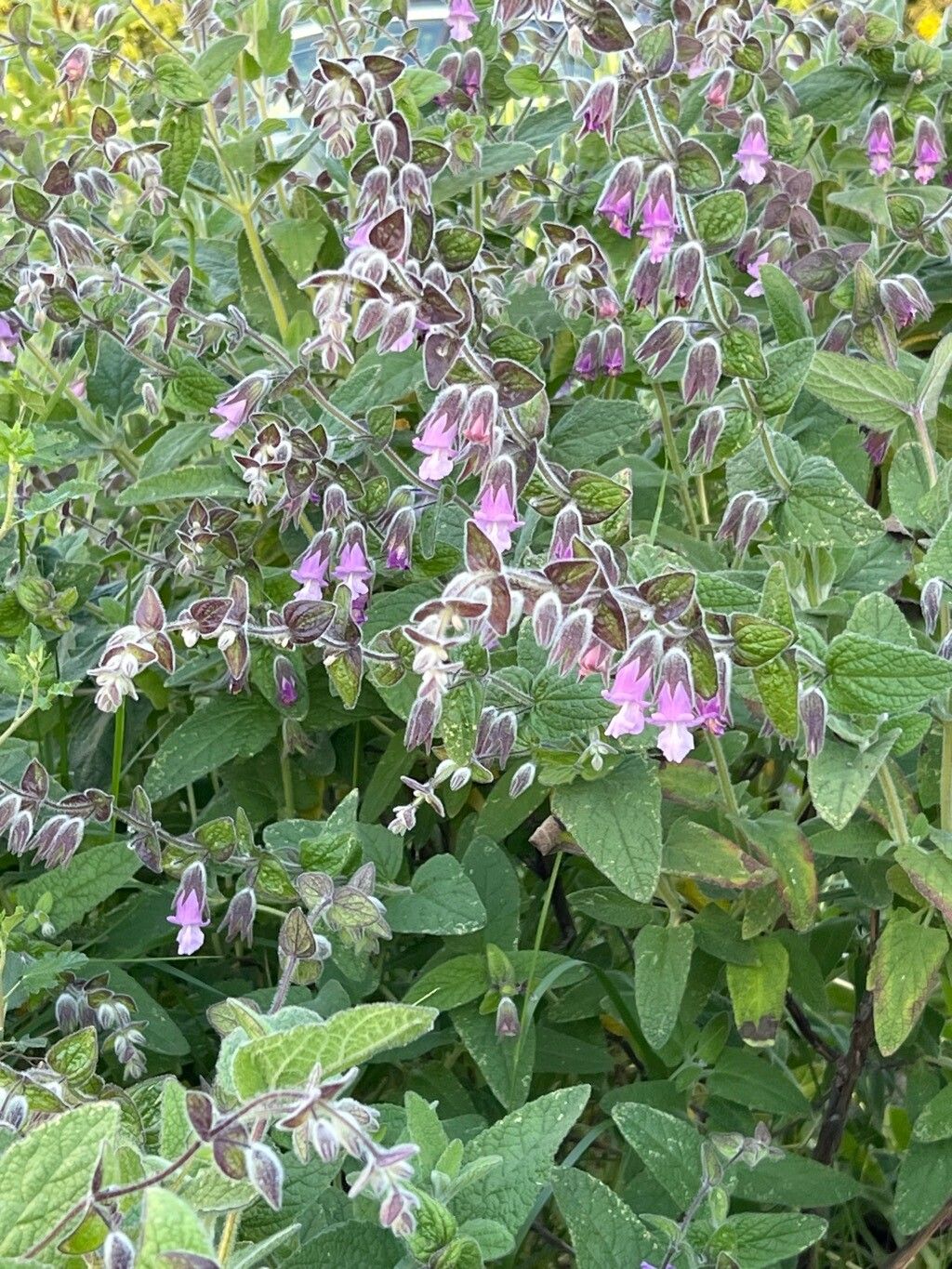
Oh, hello there! Let’s talk about Lepechinia fragrans. If you’ve ever come across this beauty, you know exactly why I’m so excited to share its propagation secrets with you. Its fragrant, aromatic foliage is pure delight on a warm day, and those lovely white flowers? Utterly charming. Growing them from scratch is incredibly rewarding, a real badge of honor for any gardener. Now, for my fellow beginners – while Lepechinia isn’t the absolute easiest plant to propagate, with a little attention and these tips, you’ll do wonderfully. It’s more about understanding its needs than struggling with a stubborn woody shrub.
The Best Time to Start
My favorite time to get my hands dirty with Lepechinia fragrans is late spring to early summer. This is when the plant is actively growing, and those young, semi-hardwood stems are perfect for taking cuttings. You want stems that are flexible enough to bend slightly without snapping, but not so soft that they’ll just wilt away. Think of it as the plant being at its peak energy, ready to share that vibrant life with new little ones.
Supplies You’ll Need
Gathering your tools beforehand makes the whole process smooth and enjoyable. Here’s what I recommend:
- Sharp, clean pruning shears or a sharp knife: For making clean cuts that heal well. Sterilize them with rubbing alcohol between uses.
- Rooting hormone (optional but recommended): A powder or gel that encourages root development. I’ve had great success with a good quality willow-bark-based one.
- Well-draining potting mix: A blend of perlite and peat moss or coco coir is ideal. You want it to hold some moisture but drain quickly. A commercially available cactus/succulent mix can also work if you amend it with a bit more perlite.
- Small pots or seedling trays: Clean ones, of course! About 4-inch pots are a good size to start.
- Plastic bags or propagation domes: To create a humid environment.
- Watering can with a fine rose: For gentle watering.
- Labels and a marker: To keep track of what you’ve planted.
Propagation Methods
We’ll focus on the most reliable method for Lepechinia fragrans: stem cuttings.
- Taking the Cuttings: In late spring or early summer, select healthy, non-flowering stems. Look for growth from the current season that has started to firm up. Using your pruning shears or knife, cut stems that are about 4-6 inches long. Make the cut just below a leaf node (where a leaf attaches to the stem).
- Preparing the Cuttings: Gently remove the lower leaves from the cutting, leaving just a couple of leaves at the very top. This prevents them from rotting in the soil. If the leaves are large, you can even cut them in half horizontally to reduce water loss through transpiration.
- Applying Rooting Hormone: Dip the cut end of the stem into your rooting hormone, tapping off any excess. Give it a light coating.
- Planting the Cuttings: Moisten your potting mix so it’s damp but not soggy. Make a small hole in the center of the pot with your finger or a pencil. Insert the cutting into the hole, ensuring the leaf nodes are below the soil surface. Gently firm the soil around the stem.
- Creating Humidity: Water the pot gently. Then, place a plastic bag over the pot or cover it with a propagation dome. Make sure the bag doesn’t touch the leaves too much – you can use stakes to prop it up if needed. This creates a mini-greenhouse effect, keeping the humidity high.
The “Secret Sauce” (Pro Tips)
Here are a couple of things I’ve learned over the years that really make a difference:
- Don’t let the leaves touch the water. If you’re trying water propagation (which I generally find less successful for Lepechinia than cuttings in soil), this is crucial. But even in soil, if you mist your cuttings and water droplets collect on the leaves and sit for hours, it’s an invitation for fungal issues. A gentle shake can often prevent this.
- Bottom heat is your friend. While not strictly necessary, placing your pots on a gentle heat mat can significantly speed up root development. Just a little warmth from below mimics the sun-warmed soil and encourages those roots to form more enthusiastically.
Aftercare & Troubleshooting
Once your cuttings are happily nestled in their pots, place them in a bright spot out of direct sunlight. A north-facing window or a spot with dappled shade is perfect. Keep the soil consistently moist but never waterlogged. You can check this by gently pressing the soil with your finger.
You’ll know your cuttings are rooting when you see new growth emerging or when you feel a slight resistance if you gently tug on the stem. This usually takes anywhere from 4-8 weeks. Once roots have well established, you can gradually acclimate them to lower humidity by slowly opening the plastic bag or dome over a few days. Then, repot them into slightly larger containers as needed.
The most common issue you’ll encounter is rot. If your cuttings turn black and mushy at the base, it’s usually a sign of too much moisture and not enough air circulation. Unfortunately, these are usually beyond saving. You can prevent this by ensuring excellent drainage and not overwatering. If you see yellowing leaves, it might be a sign they’re getting too much direct sun or not enough water, so adjust accordingly.
A Encouraging Closing
Propagating Lepechinia fragrans is a journey, and like all good journeys, it takes a little time and patience. Don’t be discouraged if your first attempt isn’t perfect. Learn from each experience! The joy of nurturing a tiny cutting into a flourishing plant is truly unmatched. So, grab those shears, get your hands in the soil, and enjoy the wonderful process of growing your own fragrant treasures. Happy gardening!
Resource:
https://identify.plantnet.org/k-world-flora/species/Lepechinia%20fragrans%20(Greene)%20Epling/data