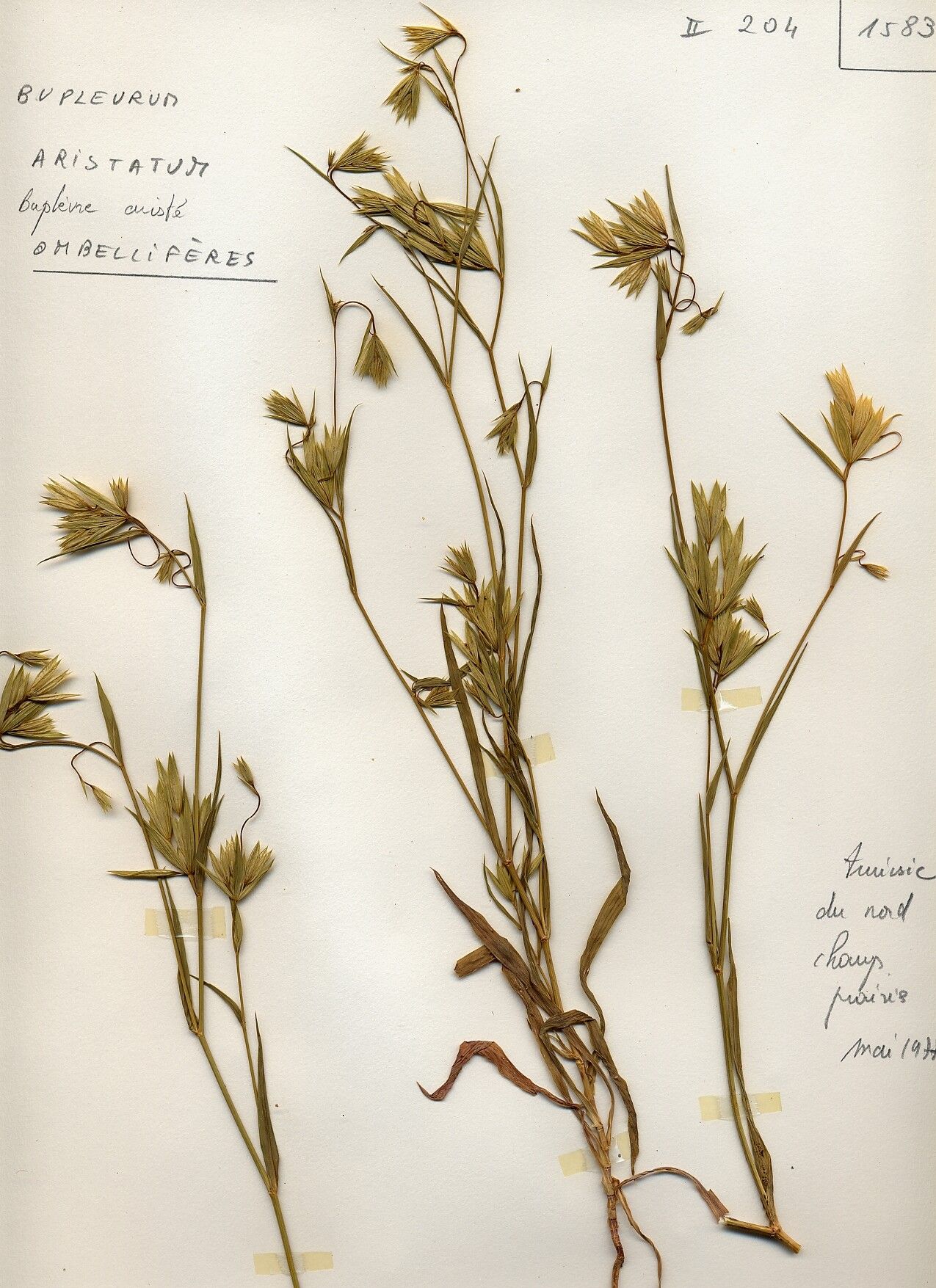
Oh, Bupleurum veronense! If you’re looking for a plant that’s a breath of fresh air in the garden, you’ve found a winner. I’ve loved working with this cheerful little number for years. Its delicate, airy blooms are like tiny umbrellas of sunshine, and it’s fantastic for filling in those gaps in borders or even looking lovely in pots. Propagating it is a wonderfully rewarding project, and honestly, it’s quite beginner-friendly once you get the hang of it. Let’s get your hands dirty!
The Best Time to Start
For Bupleurum veronense, the sweet spot for propagation is definitely late spring to early summer. This is when the plant is in its active growth phase, meaning it has the most energy to put into developing new roots. Think about when you see new, healthy shoots emerging on your established plants – that’s your cue!
Supplies You’ll Need
Gathering your supplies beforehand makes the whole process smooth sailing. Here’s what I always have on hand:
- Sharp pruning shears or secateurs: Clean cuts are key to preventing disease.
- Small pots or seedling trays: Make sure they have drainage holes!
- Propagating medium: A well-draining mix is crucial. I like to use a 50/50 blend of perlite and seed-starting mix, or even just pure perlite. Avoid heavy garden soil.
- Rooting hormone (optional but recommended): This can give your cuttings a helpful boost. Look for one formulated for softwood cuttings.
- A plastic bag or propagation dome: This creates a humid environment.
- Watering can with a fine rose: To water gently without disturbing your cuttings.
Propagation Methods
Bupleurum veronense is a trooper and responds well to a couple of methods.
Stem Cuttings: My Go-To
This is usually the most reliable way to go.
- Select your parent plant: Look for healthy, non-flowering stems. You want bright green, vigorous growth.
- Take cuttings: With your clean shears, make a cut just below a leaf node (where a leaf meets the stem). Each cutting should be about 3-4 inches long.
- Prepare the cuttings: Gently remove the lower leaves, leaving just a couple at the very top. This prevents them from rotting in the soil.
- Apply rooting hormone (if using): Dip the cut end into the rooting hormone, tapping off any excess.
- Plant the cuttings: Fill your pots or trays with your propagating medium. Gently push the cuttings into the soil, making sure the leaf nodes that were just stripped are buried. They should stand upright.
- Water them in: Give them a gentle watering to settle the soil around the cuttings.
- Create humidity: Cover the pots with a plastic bag secured with a rubber band or place them under a propagation dome. You want to create a mini-greenhouse effect. Place them in a bright spot, but out of direct, harsh sunlight.
Water Propagation (For the Impatient!)
While cuttings in soil are my preference, you can also try rooting them in water.
- Take your cuttings as described above.
- Place the cuttings in a jar or glass of water.
- Ensure the leaf nodes are submerged, but don’t let the leaves themselves touch the water. This is a common mistake that leads to rot.
- Change the water every few days to keep it fresh.
- Place the jar in a bright location, away from direct sun.
- Wait for those little white roots to appear. Once they’re an inch or so long, you can try planting them in your propagating mix. Be gentle, as water roots can be a bit more delicate.
The “Secret Sauce” (Pro Tips)
After years of muddling through, I’ve picked up a few tricks that make a difference:
- Bottom Heat is Your Friend: If you have a seedling heat mat, using it under your pots for stem cuttings can dramatically speed up root formation. Bupleurum just loves a bit of warmth from below.
- Cleanliness is Paramount: I can’t stress this enough. Sterilize your secateurs before each use and make sure your pots and trays are clean. This is your best defense against fungal diseases, which new cuttings are very susceptible to.
- Air Circulation, Once Rooted: When you see those first signs of new growth (a tiny leaf unfurling!), it’s time to gradually introduce your cuttings to the open air. Start by opening the plastic bag for an hour or two each day, slowly increasing the time until they are fully acclimatized.
Aftercare & Troubleshooting
Once those precious roots have formed (you might see them poking out of the drainage holes, or notice new growth from the top), it’s time to transition them.
- Carefully pot up your new plants into a slightly richer, but still well-draining, potting mix. Handle the roots as gently as possible.
- Water them thoroughly after potting.
- Continue to keep them in bright, indirect light for the first week or two.
- Common Issues: The biggest foe is rot. If your cuttings turn mushy and black, it’s usually a sign of too much moisture and not enough air circulation. If this happens, it’s best to discard them and start again, paying close attention to that well-draining soil and humidity. Wilting without rot can sometimes mean they’re just stressed; try to bump up humidity again.
Creating new life in the garden is such a joy. Don’t be discouraged if your first few attempts aren’t perfect – every gardener has had their share of successes and failures! Be patient, enjoy the process of watching those tiny cuttings transform into new plants, and soon you’ll have plenty of lovely Bupleurum veronense to share or fill your own garden with. Happy planting!
Resource:
https://identify.plantnet.org/k-world-flora/species/Bupleurum%20veronense%20Turra/data